TL;DR
- Most SEO providers use the terms “private label SEO” and “white label SEO” interchangeably. A partner does the SEO work, and your agency sells it under its own brand.
- Where providers do draw a line, private label usually means deeper branding, more custom work, and sometimes exclusivity.
- The 4 real differences live in branding control, exclusivity, contract terms, and who talks to the client.
- Judge the reseller agreement. The label on the sales page tells you little. Ask for every promise in writing.
- A strong private label SEO program gives you branded reports on your domain, clear IP ownership, short notice periods, and published pricing.
Something surprised us when we went through the pages ranking at the top for this topic.
Every one of them gave a different answer.
One said private label SEO is the custom, premium version. Another said white label is the big category and private label sits inside it. A third said there is no real difference at all.
If you run an agency and want to pick an SEO partner, this creates a problem. You cannot compare offers when nobody agrees on what the words mean.
We will keep this simple. We will show you where the terms overlap, where they split, and what to check in a reseller agreement before you sign. We fulfill SEO for agencies every month, so most of what follows comes from the contracts and onboarding calls we see every week.
What Is Private Label SEO?
Private label SEO is an arrangement where a specialist SEO company does the work (keyword research, technical fixes, content, links, and reporting), and your agency sells it to clients under its own brand. Your client sees only your agency. The partner stays invisible.
Think of it like a store brand at the supermarket. A factory made the cereal for the store. The box carries the store’s name, and the store sets the price.
Private label SEO services work the same way. You own the client relationship. You set the retail price. Your partner handles delivery behind the scenes.
The term “private label” comes straight from retail. Some providers use it to suggest something more personal, a product built around a single seller and carrying only that seller’s brand.
What Is White Label SEO?
White label SEO is the same core idea. A partner delivers the SEO, and you resell it under your brand. Our own white label SEO reseller services page uses both terms side by side, because this matches how most agencies search for them.
In retail, a “white label” product is a generic item that many sellers can rebrand. The small difference in tone comes from there. White label can sound like a standard package sold to many agencies. Private label can sound like a package shaped for one buyer.
In practice, those lines blur fast.
Are Private Label and White Label SEO the Same Thing?
Mostly, yes.
In the SEO industry, providers use the 2 terms the same way far more often than they use them differently. 2 providers can sell the exact same service, with 1 calling it private label and the other calling it white label.
This matters to you. If a provider charges more because their service is “private label,” ask them what you get that a white label plan would not include. If they cannot point to something specific in the contract, you are paying for a word.
We go deeper into how these programs run day to day in our guide on how SEO reseller programs work and the mistakes agencies make.
Now we will look at where the real differences show up.
Private Label SEO vs White Label SEO Comparison Table
This table shows how providers usually describe the 2 terms when they do treat them differently.
Table 1 – How providers describe private label and white label SEO when they treat the terms differently
Notice the words “as usually described.” Plenty of white label providers offer everything in the right column. The contract is what tells you what you are actually buying.
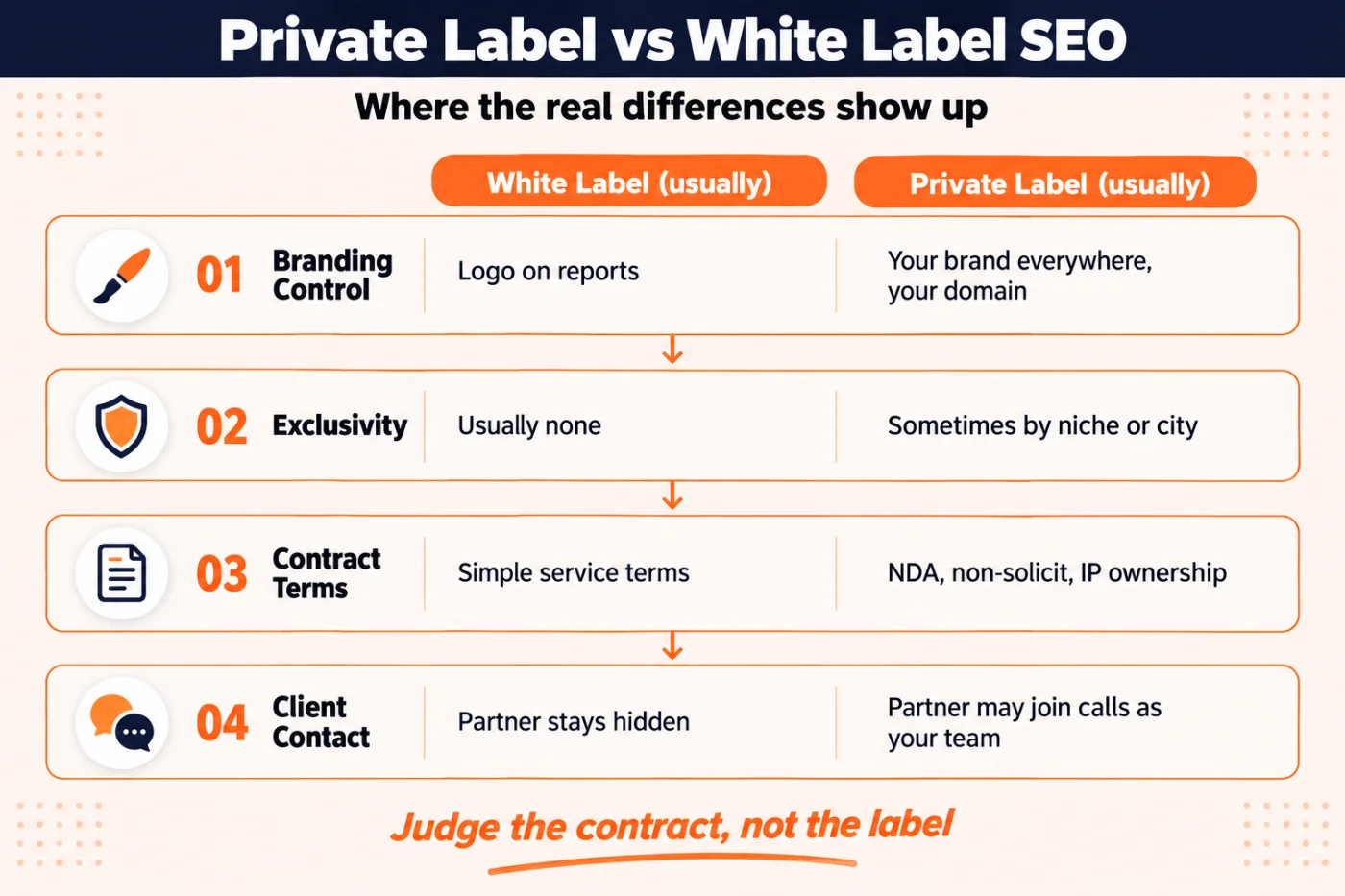
Fig 1 – The 4 areas where private label and white label SEO deals differ
Where the Real Differences Show Up
Set the labels aside. When you compare 2 SEO partners, these 4 areas decide whether the deal works for your agency.
1. Branding Control
This is the first thing your client notices. And it is the easiest place for a partner to slip up.
Basic branding means your logo goes on a PDF report. Full branding goes much further.
- Your client logs in to a dashboard on your own domain, such as reports.youragency.com.
- Every email, notification, and report carries your agency’s name and colors.
- Onboarding documents and SOWs use your templates.
- The partner’s name never shows up in file names, report footers, or metadata.
Ask for a sample report before you sign. Open it, check the footer, check the file properties, and click every link. 1 stray vendor logo can cost you a client’s trust.
2. Exclusivity
Exclusivity means your partner agrees to limit who else they work with. For example, they might agree to serve only 1 agency in a given city or industry.
This is the area where “private label” claims need the most checking. Many sales pages hint at exclusivity. Far fewer put it in the contract.
If exclusivity matters to you, ask these questions.
- Is the exclusivity by city, by region, by industry, or by named competitor?
- How long does it last, and what happens if your account volume drops?
- Is it written in the agreement, or only promised on a call?
For most agencies, exclusivity matters less than delivery quality and strong confidentiality terms. Your clients are far more likely to notice stalled rankings than to find out who your competitors outsource to.
3. Reseller Agreements and Contract Terms
This is where the real value sits. A good reseller agreement protects your clients, your margin, and your exit.
Look for these clauses.
- The partner signs an NDA before getting access to Search Console, analytics, the CMS, or hosting.
- A nonsolicitation clause, so the partner cannot approach your clients directly.
- Clear IP ownership, so the keyword research, content, and audits stay yours if you leave.
- Domain and account ownership that stays with your client.
- A short notice period, so you can exit without paying for months you do not need.
- Published pricing, so you can work out your markup before the first call.
You can see how we handle access and data in our client security practices, and how a project moves from kickoff to delivery on our how we work page.
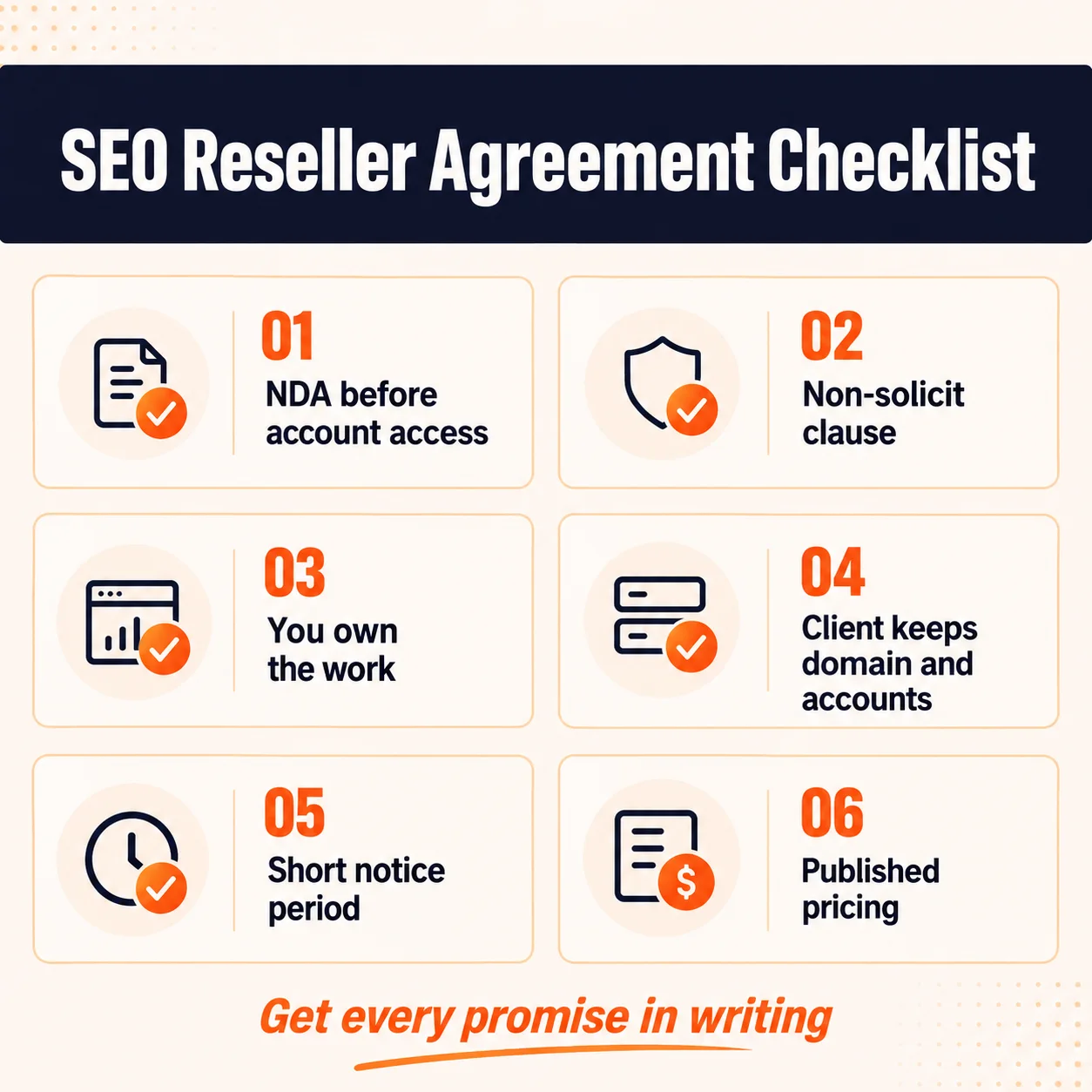
Fig 2 – 6 clauses to check before you sign any SEO reseller agreement
Some agencies want an invisible partner. Others want the SEO team to join client calls when things get technical.
Both work. What matters is that the setup matches how you sell.
- Invisible partner. Your account manager handles every client conversation, and the partner briefs you before each call.
- Branded team. The partner’s specialists join calls using your agency’s email signature, video backdrop, and job titles.
If you choose the branded team model, agree on the rules early. Decide who can promise timelines and who handles pricing questions. Clear rules keep your client experience smooth.
What a Private Label SEO Program Should Include
A private label SEO program is the full package a partner offers resellers. It covers the services, the branding, the support, and the pricing structure. A strong program includes the following.
- Core services covering technical SEO, on page work, content, link building, and local SEO services for clients with physical locations.
- AI search visibility, meaning tracking and optimization for Google AI Overviews, ChatGPT, Perplexity, and other AI answer engines. Your clients are already asking about this.
- A branded client portal with live progress, so clients see work happening between monthly reports.
- A named account manager who knows your roster.
- Presale support covering branded audits and proposal help so you can win new accounts.
- The partner covers tool costs, so your invoice stays predictable.
That last point catches a lot of agencies out. Some partners pass tool license fees through to you. Over a full client roster, those fees eat your margin.
How We Price Private Label SEO Services
Pricing for private label SEO services usually depends on a few factors.
- Service mix. National SEO costs more than local SEO.
- Account volume. More accounts usually means a lower cost per account.
- Geographic coverage. Campaigns covering multiple regions cost more than campaigns covering a single market.
- Content and link volume. More pages and stronger link targets raise monthly cost.
- Industry. Regulated industries such as legal, healthcare, and finance need extra review.
Our own white label SEO pricing follows this structure, so you have a real reference point.
Table 2 – Clixlogix white label SEO pricing by account volume
Every plan comes with $0 setup fees, a minimum of 1 account, and 30 days’ notice to cancel.
We publish this pricing because you should be able to work out your margin before you talk to anyone. If a partner hides pricing until the third call, that tells you something.
Red Flags to Watch for in a Reseller Agreement
These are the warning signs we see most often when agencies switch to us from another provider.
- The partner’s logo or name shows up in reports, file names, or emails.
- The contract says nothing about who owns the work if you leave.
- Contracts that lock you in for 6 or 12 months with large exit fees.
- Tool fees or “platform charges” that appear on top of the service price.
- Promises of guaranteed top rankings.
- Vague answers about what the team does each month.
On that last point about guarantees, honest SEO partners promise process and accountability. They avoid specific ranking promises. You can read how we set expectations in our SEO guarantee.
Which Model Fits Your Agency?
Since the labels overlap so much, it helps to think in terms of your agency’s stage.
Table 3 – Which reseller model fits your agency’s stage
If you are still weighing whether to build your own team, we walk through the numbers in in house SEO teams vs white label SEO partners.
How Clixlogix Runs Private Label SEO
We built our reseller program around 1 rule. Your brand is the only brand your client ever sees.
Every report, dashboard, and email carries your agency’s name. Your clients log in at your domain. We sign NDAs before we touch any client account, and the work we produce stays your property.
Behind the scenes, AI agents handle the repetitive work such as crawling, rank tracking, and reporting, while our specialists own strategy, brand voice, and quality checks. This is how we keep costs low as your roster grows. We explain the full setup in our post on agentic workflows for white label SEO.
You can see the kind of results we deliver in our case studies.
You can see your margins before you commit.
We provide a free SEO audit and white label report for 1 of your clients, delivered in your agency’s brand with a clear breakdown of your margin under our white label SEO reseller program.
Get your free white label audit
Frequently Asked Questions