TL;DR
- Shopify’s Spring ’26 Edition shipped 150+ updates on June 17, 2026. Our marketing playbook covered the demand side. This guide covers the developer updates that quietly redraw what your store can do over the next 12 months.
- 14 of these updates matter for merchants. 5 change what installed apps can do. 3 change how your theme talks to AI agents. 4 change how AI agents shop across Shopify’s ecosystem. 2 change what building on Shopify costs. Each has business implications worth planning around.
- If you publish a Shopify app or run a SaaS on Shopify, several updates change your roadmap. Migration windows are real, competitive surfaces are new, and the signals sit in the fine print. That is where this guide spends its word count.
- If Spring ’26 has not come up with your dev team or agency yet, that itself is a diagnostic signal.
The Translation Gap Shopify Does Not Close
Spring ’26’s developer updates are dense. Static Apps, App Events API, Next Generation Events, Standard Storefront Events and Actions, agents.md customization, the new Catalog API, Cart and Checkout MCPs, framework independent Hydrogen, the Collection Sources model. Not incremental. Each changes what apps you can install, what themes you can commission, what shopping surfaces reach your customers, and what custom development costs.
None of it lands as strategic clarity unless someone translates it. Your dev team can explain an MCP. Your agency can quote a Hydrogen migration. Neither answers the merchant’s real question. What does this mean for my next 90 days.
We wrote this guide to close that gap. At Clixlogix we ship on new APIs the day they land, build Shopify apps at production quality, and migrate merchants to the new implementations. A Spring ’26 release becomes our next quarter’s roadmap.
Below, 14 developer facing updates as merchant business decisions. Where an update also matters for app publishers, we call it out separately.
App Ecosystem Changes
5 updates to how apps run. Some visible in your admin. Others plumbing that changes what a well built app can cost, promise, and deliver.
Static Apps
Shopify now hosts the entire code for lightweight admin apps. No backend server required.
Historically, custom admin dashboards and workflow tools built as Shopify apps needed hosting, auth, versioning, and uptime monitoring. That overhead lived inside your invoice. Static Apps flips it. Shopify absorbs hosting, auth, and versioning. The bundle deploys directly with a single command.
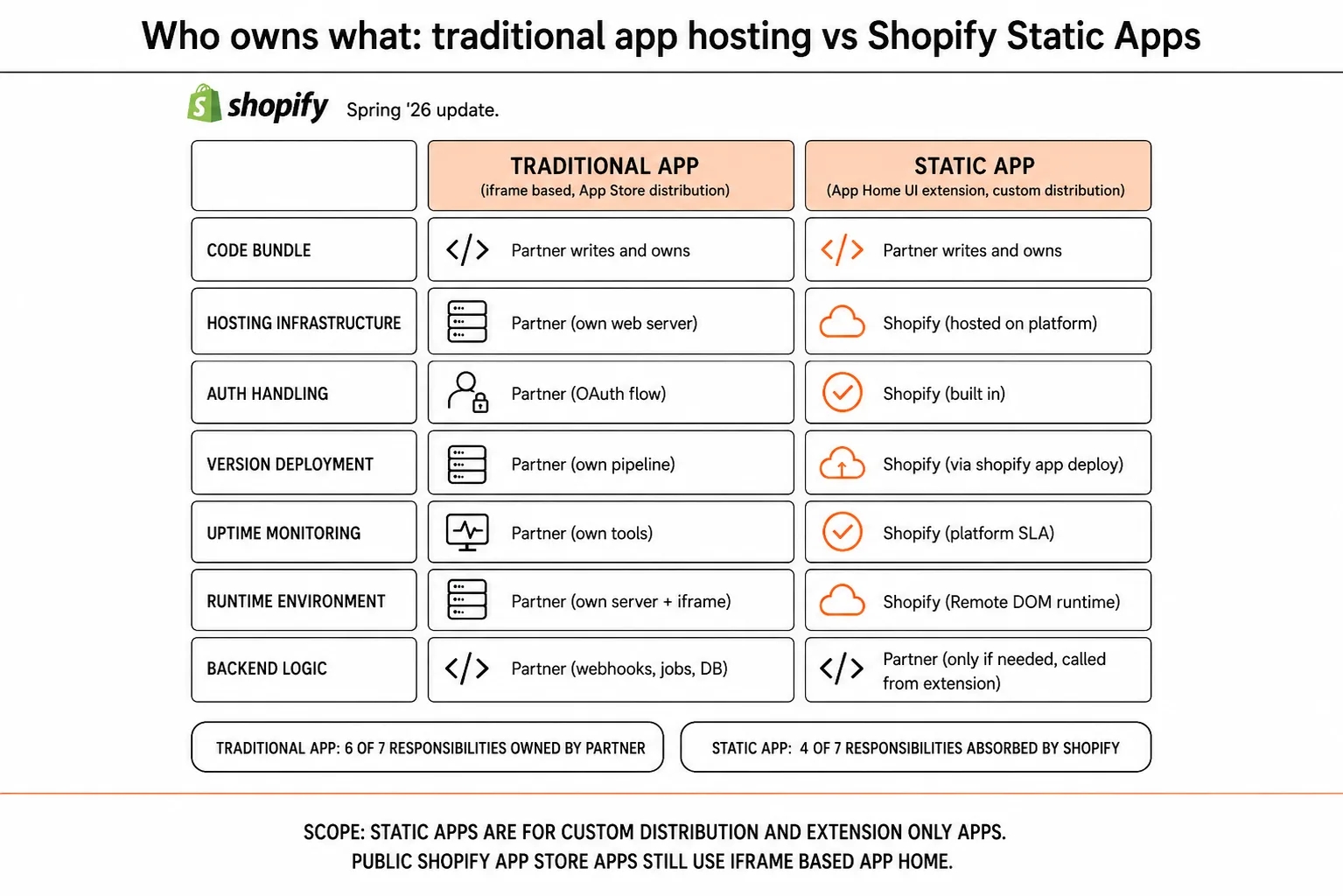
Fig 2 – Static Apps responsibility split. Shopify absorbs hosting, auth, and versioning for lightweight admin apps.
The cost dynamic on custom admin tooling shifts. Workflows that repeat weekly, dashboards pulling from multiple metafields, or one off admin utilities that save your team hours are cheaper to commission. Large engagements become small ones for the same output. Revisit that team wishlist.
Important scope
This applies to custom apps a partner builds directly for your store (custom distribution). Apps you install from the Shopify App Store are built on a different model, and their cost profile has not changed with Spring ’26.
For app publishers, Static Apps changes what you can build without infrastructure investment. Scope matters. Static Apps is for custom distribution and extension only apps. Public Shopify App Store apps still ship as iframe based App Home. Static Apps applies to internal tooling, single merchant private apps, and extension only apps outside the App Store. Within that scope, App Home landing pages, admin utilities, and workflow tools deploy with shopify app deploy. Bundle limits: 500 files, 50 MB total for static assets. Webhooks, background jobs, or backend logic still need traditional hosting.
Docs at shopify.dev/docs/api/app-home-ui-extension/latest.
Shopify App Pricing
Before Spring ’26, billing was fragmented. Managed Pricing (released 2024) hosted flat subscriptions. Anything more complex ran on publisher built infrastructure atop the older Billing API. Every app looked different in pricing pages, invoices, and approvals.
App Pricing replaces both. Shopify now hosts every billing model (flat, usage based per SMS or order or image, or combinations), configured once in the Partner Dashboard. Plan pages, charge approvals, usage tracking, invoicing, and payments all sit with Shopify. New apps default to it. Managed Pricing apps have been auto included.
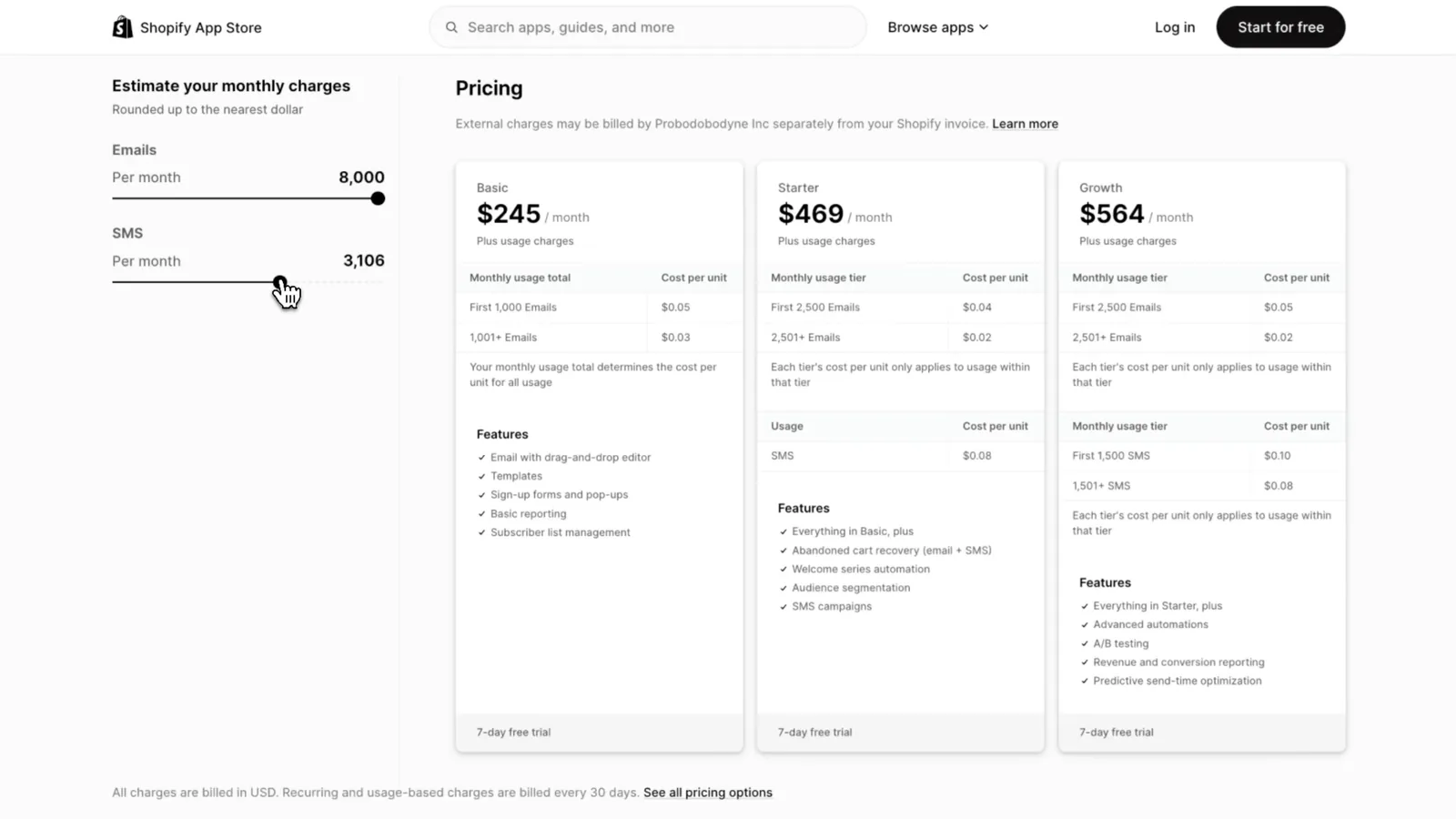
Fig 3 – Shopify App Pricing consolidates fragmented billing into one hosted system.
For merchants, every app now uses the same billing UI. A billing card per app shows plan, subscription status, usage charges, upcoming pricing changes including downgrades. Charges consolidate on your Shopify invoice. Usage based apps show line by line breakdowns. Failed events (bounced messages, reversed transactions, retried jobs) reverse automatically.
Two watch outs. Platform level usage caps are not supported at launch, so usage priced bills vary widely month to month. Ask developers about worst case bills before installing. Usage breakdowns appear on your Shopify invoice and charge approval flow only. Email alerts show totals only. Check the billing card for itemization.
For app publishers, migration takes real work. Three usage pricing structures (Fixed, Graduated, Volume). Per app limits: 4 public plans, 5 usage meters per plan, 6 tiers per meter. Two new APIs (Active Subscription, Historical Events) solve gaps in the old AppSubscription object. Subscription data persists beyond uninstall. Managed Pricing migration means moving subscription queries to the Partners API and updating webhook dependent code. Subscription changes no longer come via webhooks.
Four caveats.
- One time charges are not supported. Model them as usage based.
- Yearly base plans cannot combine with usage charges. Usage bills monthly.
- Historical billing backfill is in progress. Coverage builds over coming months.
- Silent auto migration. If you were on Managed Pricing you may already be on the new model. Audit subscription queries and webhook consumers now.
Announcement at community.shopify.dev.
App Events API
The App Events API is the plumbing behind itemized usage based billing. Every unit on your bill (SMS sent, order processed, image optimized) traces to a discrete event the app emitted. Events matched to a Shopify App Pricing meter become charges. Events without a meter get logged in the Dev Dashboard.
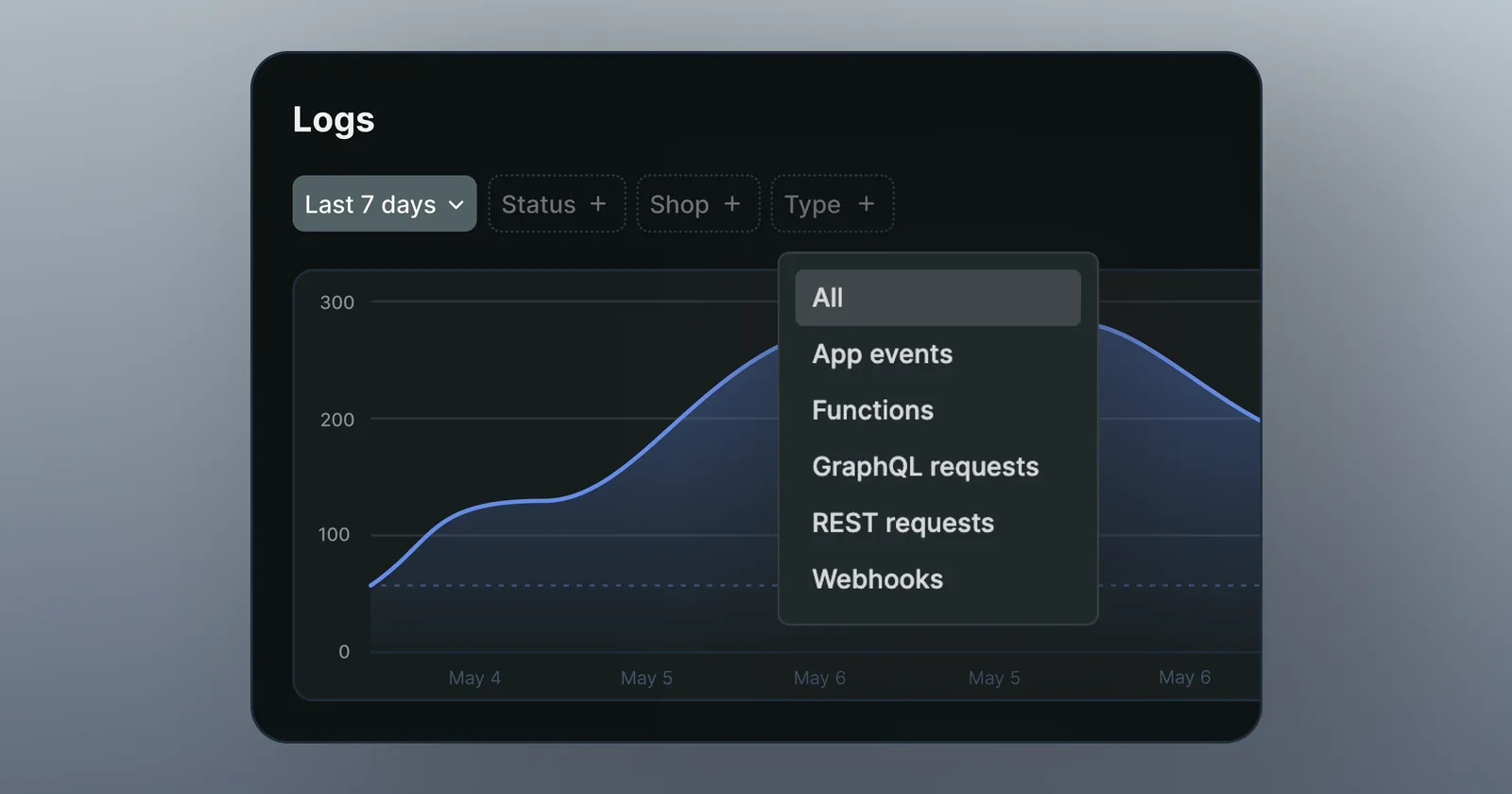
Fig 4 – How app events become billing charges or monitoring logs. Events matched to a meter become charges; the rest get logged.
For merchants, three protections come baked in. First, no duplicate billing. An app cannot charge you twice for the same event even if its system retries. Second, no personally identifying information in event attributes, enforced by the API. Customer data stays out of billing telemetry by platform rule. Third, automatic corrections when events fail.
Watch out
The API has a 500 requests per second per app cap. If you run mass SMS blasts, high frequency order automation, or any operation that spikes event volume, ask app developers whether their architecture handles this ceiling.
For app publishers, integration is straightforward. Bearer token auth via client credentials. 500 requests per second per app rate limit. 24 hour idempotency window for custom events, permanent for billing events. 202 Accepted does not confirm billing validation. Billing errors surface only in the Dev Dashboard under Logs. Full spec in the docs.
Docs at shopify.dev/docs/api/app-events.
Field Level Webhook Filtering (Next Generation Events)
Webhooks are how installed apps know when things change in your store, keeping inventory synced, sending abandoned cart emails, updating your ERP, and running every event driven feature in the background. Classic webhooks had a design problem with real merchant cost. An app subscribed to product updates got pinged whenever anything on a product changed. Price, title, tag, description, all of it. The app inspected every notification to decide relevance. Wasteful for the app, slower for you.
Shopify’s Next Generation Events replaces classic webhooks with a more precise model. Apps subscribe to specific field changes, write their own data queries for what they want back, and filter out notifications when the change does not match a condition. Multiple subscriptions per topic. Currently in Developer Preview with Product and Customer topics.
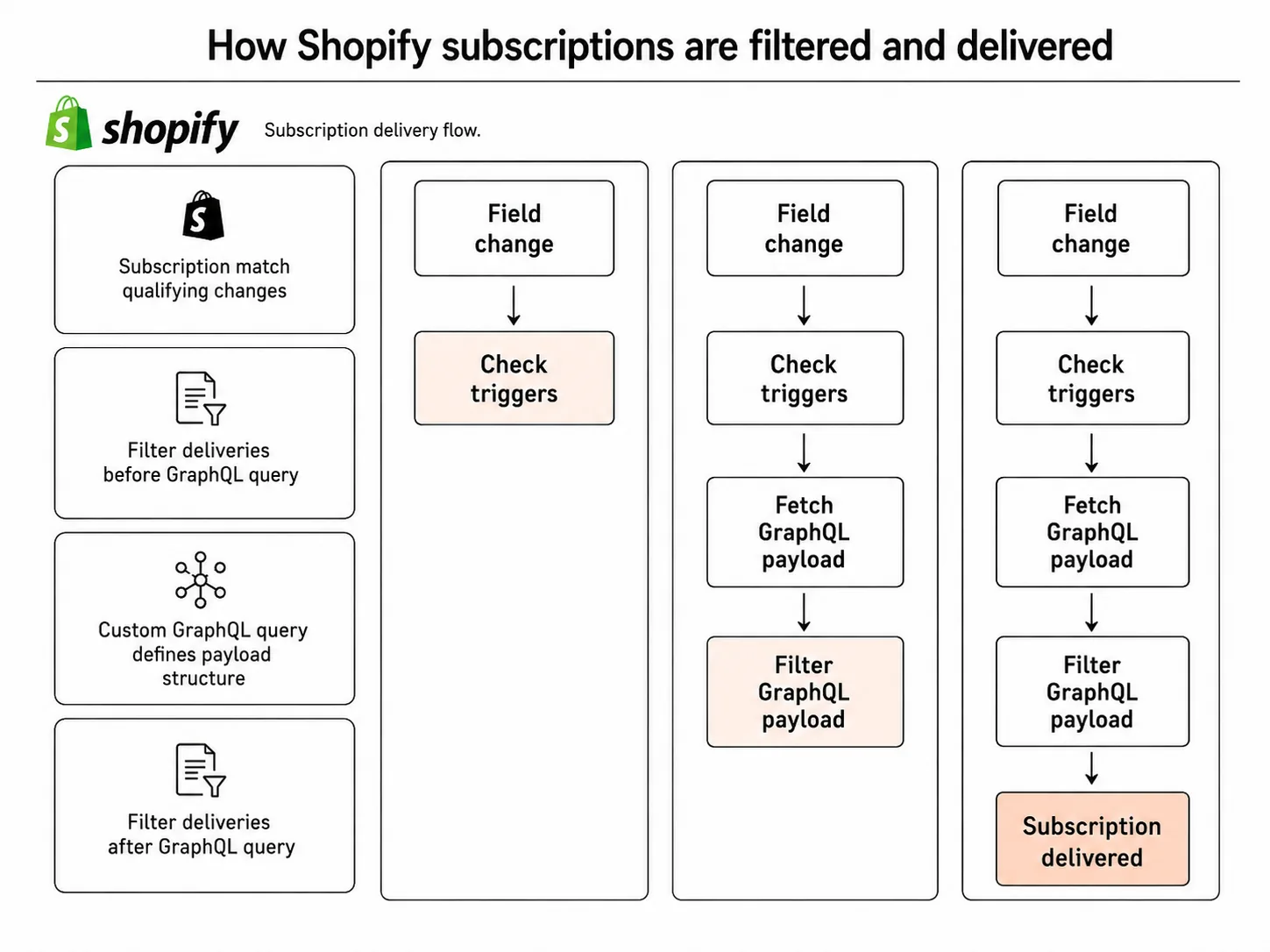
Fig 5 – How Next Generation Events cuts webhook noise. Apps subscribe to specific field changes instead of every product update.
For merchants, the downstream impact is real. Apps adopting Next Generation Events process fewer wasted events. Cheaper hosting, faster response, fewer bugs from apps mishandling irrelevant changes. An app subscribed to product.variants.price no longer wakes up when your team edits a title or adds a tag. Event driven features become more reliable. Some app publishers may reflect the cost saving in pricing or add capability at the same cost.
Watch out
Developer Preview only. Shopify explicitly recommends against production use.
For merchants who publish an app, this is architectural. Configure in shopify.app.toml with [[events.subscription]] blocks. Actions describe the lifecycle event on the root entity. Adding a variant to an existing product fires action update on Product. Creating a fresh product fires action create. Queries are standard Admin GraphQL. Query complexity capped at 250 points during Preview. Large payloads (deep variant lists, extensive metafields, rich HTML) come as a smaller envelope with a download URL following the Bulk Operations format, so your endpoint needs to handle both shapes. Idempotency via Shopify-Webhook-Id per delivery. Three delivery methods supported. HTTP, Google Cloud PubSub, and Amazon EventBridge. Subscription management is TOML only for now. No GraphQL subscription API yet.
Docs at shopify.dev/docs/apps/build/events.
Sidekick App Extensions
Sidekick now answers questions and takes action inside your installed apps. Launch partners include Klaviyo, Loop, Smile, and Judge.me.
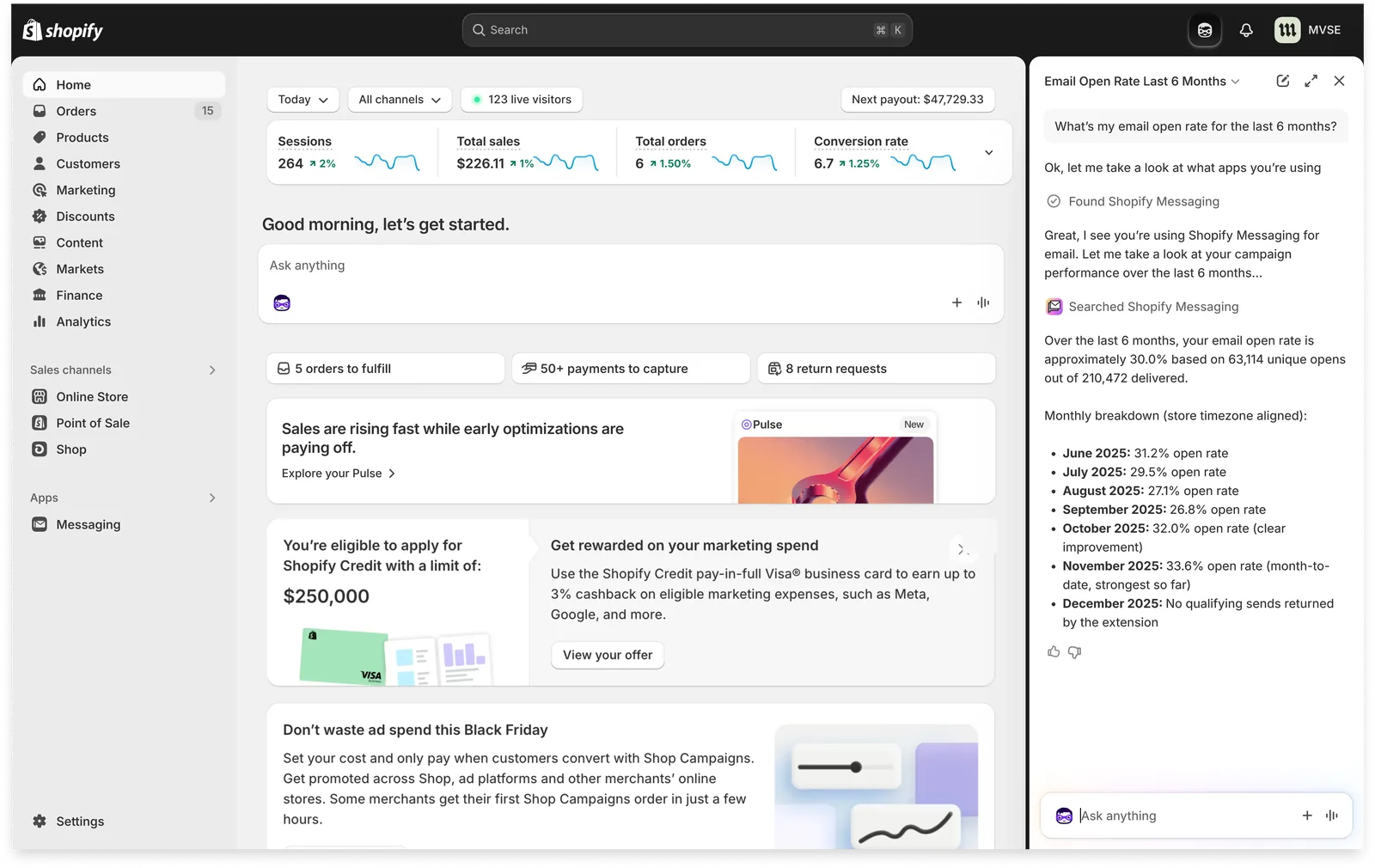
Fig 6 – How Sidekick reaches into your installed apps to answer questions and take action without leaving Shopify.
For merchants, one of the more directly useful updates in Spring ’26. Ask Sidekick about Klaviyo email performance, Loop return volume, Smile loyalty numbers, and act on them without leaving Shopify. Context switching cost drops. A team spending 40 minutes a day between Shopify, Klaviyo, and Loop dashboards for basic operational questions gets that time back. Value scales with the partner apps you run.
For app publishers whose apps merchants would ask questions about (analytics, customer intelligence, order operations, marketing, retention), this is a competitive surface. Apps shipping a Sidekick extension become part of the merchant’s default conversational workflow. Apps that do not stay behind their own dashboards.
Guide at apps.shopify.com/stories/guide-sidekick-app-extensions.
Storefront and Theme Changes
3 changes to how storefronts talk to apps and AI agents. Quiet on the merchant side. Foundational for the next 3 years of storefront work.
Standard Storefront Events and Actions
The practical outcome for merchants: apps stop breaking your theme. A cart drawer notification app, upsell widget, or analytics tracker now hooks into standardized events. Theme redesigns become safer. Switching themes or commissioning a redesign no longer risks breaking every integrated app, because the contract lives in a shared standard. AI agents on your storefront behave reliably. When a shopper asks a chat agent to add a variant to cart, the agent calls Shopify.actions.updateCart and the theme responds correctly.
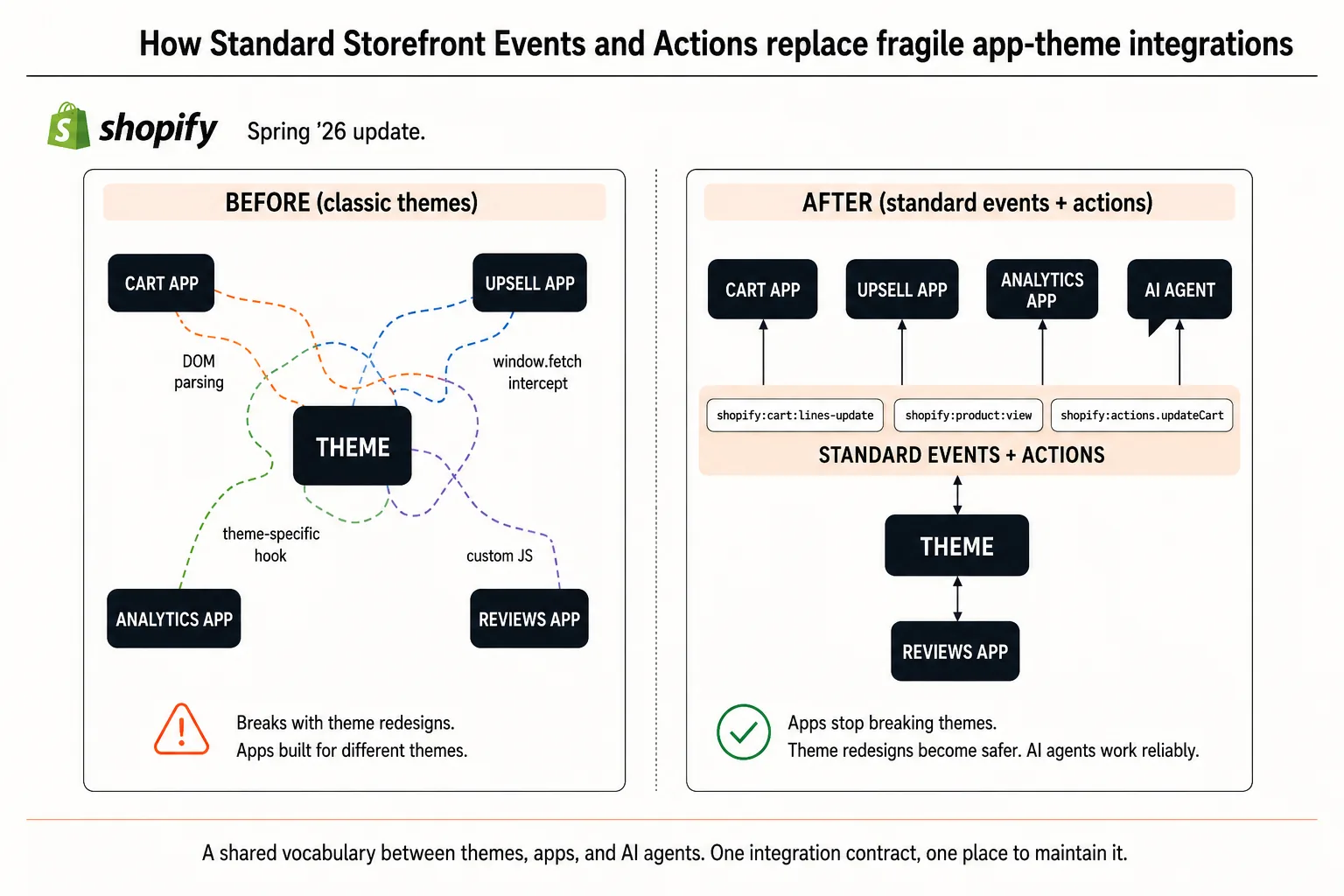
Fig 7 – Standard Storefront Events and Actions replace fragile app-theme integration with a shared contract.
Under the hood, a shared vocabulary between themes, apps, and AI agents. Themes dispatch standardized DOM events on commerce interactions (shopify:cart:lines-update, shopify:product:view, and about a dozen more). Apps listen without parsing theme DOM or intercepting window.fetch. Themes also expose standardized actions (Shopify.actions.updateCart, .openCart, .getCart) that apps and agents call. Every event follows the Storefront GraphQL API shape with camelCase properties.
Watch out
Themes have to opt in by loading the library and dispatching events. If you run a legacy custom theme that has not adopted the standard, apps and agents cannot hook in reliably. Ask your theme developer whether the theme dispatches standard events. If unclear, a scoped modernization pass is worth scheduling.
For app and theme publishers, the mechanics are consequential. Library hosted on the Shopify CDN. Register via importmap for module themes, assign to window global for older themes. Event categories cover page, product, cart, collection, search. Deferred promises for async ops. Payload conventions follow the Storefront GraphQL API. Standard actions API supports .configure() overrides so theme developers can replace default handlers with theme specific UI logic. Double render gotcha is real. Use detail.source to skip second renders when a configured handler already updated the UI. Error handling returns userErrors for rejected mutations and warnings for succeeded mutations with caveats.
Docs at standard-events and standard-actions.
Color Palettes for Themes
A new theme setting type Shopify recommends over color schemes. Colors defined once become available across the entire theme.
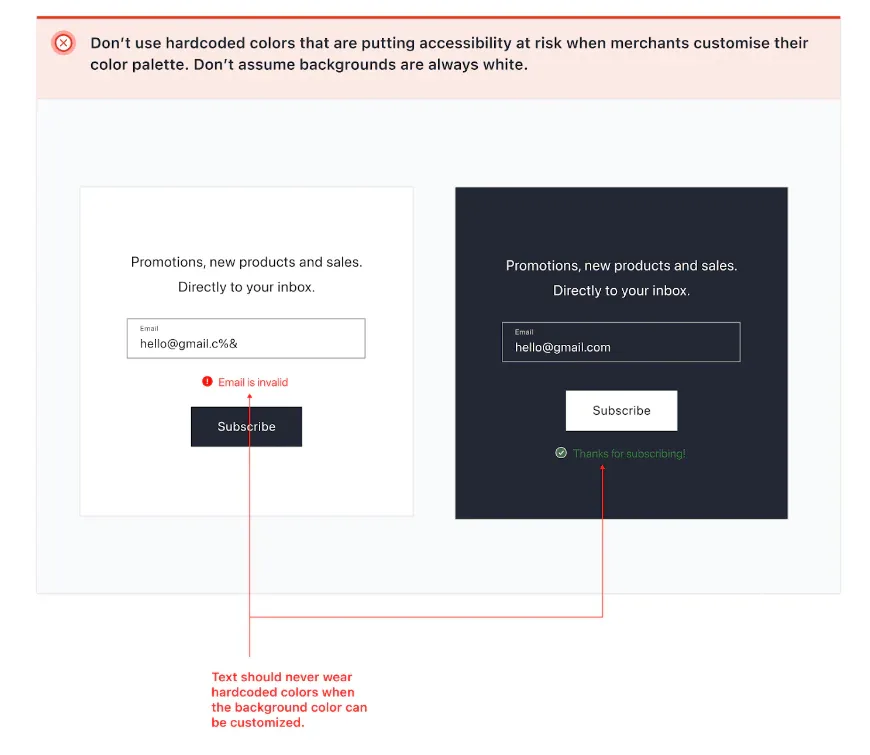
Fig 8 – How colour palettes unify brand colour across your storefront from a single source of truth.
The near term benefit for merchants: a cleaner brand experience across your storefront. A palette defined once shows up consistently on product pages, cart, checkout, and every custom section. AI tools and agents reading your theme understand your brand colors correctly. Redesigns become simpler because the palette is the single source of truth.
Not urgent. Existing color schemes keep working. Worth flagging on the roadmap for your next design refresh so the theme starts on the new architecture.
Docs at shopify.dev/docs/storefronts/themes/best-practices/design/color-system.
Agent Discovery Files (/agents.md, /llms.txt, /llms-full.txt)
Shopify serves an agent discovery file at /agents.md automatically for every store. /llms.txt and /llms-full.txt mirror it by default. It tells AI agents your UCP discovery URL, MCP endpoint, policies, read only browsing URLs, and guidance for personal shopping agents like Shop skill.
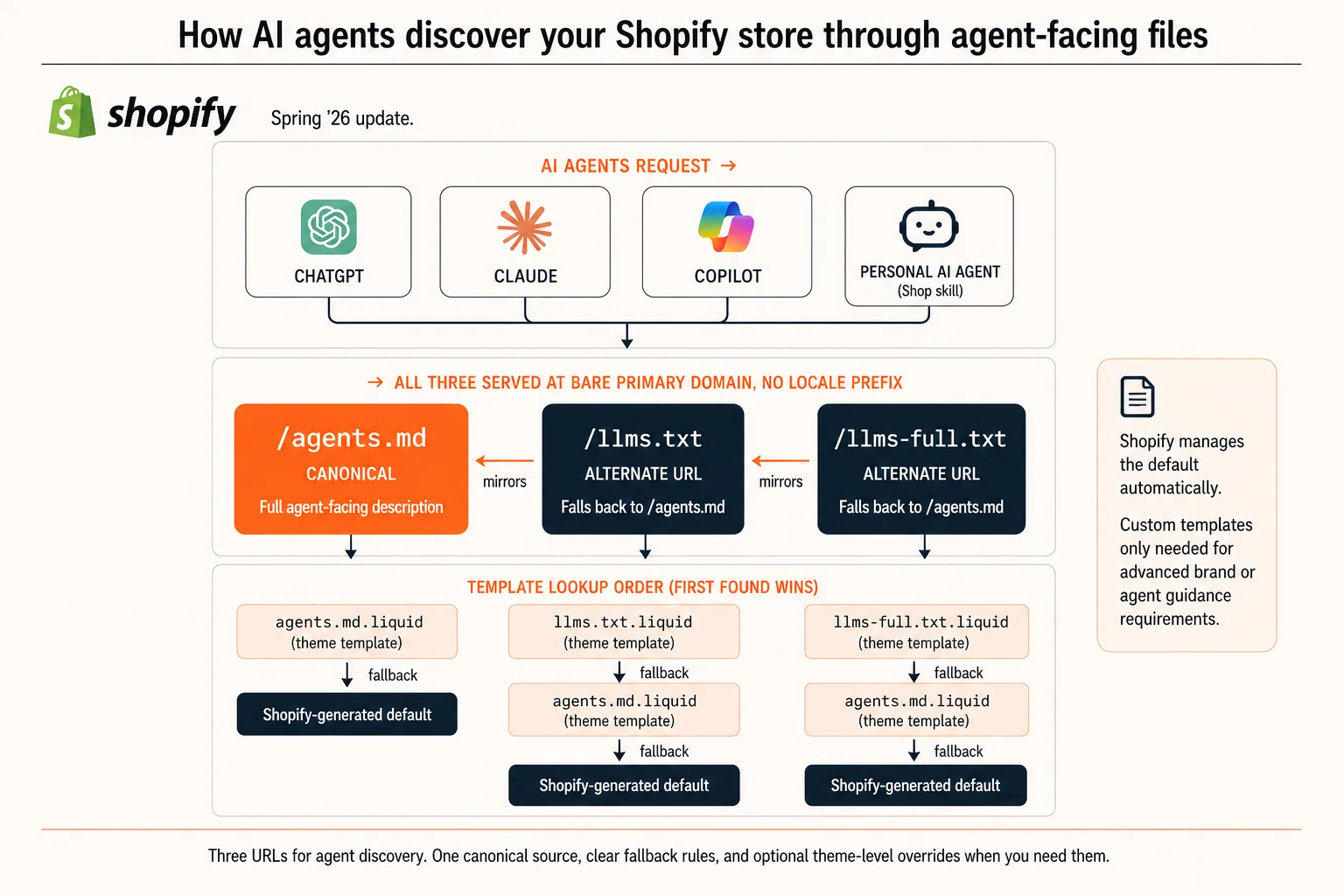
Fig 9 – How AI agents discover your store through agent-facing files served automatically by Shopify.
For merchants: your store is already agent discoverable by default. You do not need to do anything. Shopify manages the file automatically and keeps it aligned with your commerce configuration.
Customization is available for advanced brand voice or agent guidance. When you or your theme developer adds a custom template, Shopify’s managed default is replaced. You take responsibility for keeping content current as your commerce configuration evolves.
Two watch outs. First, privacy. These files are cached broadly and served to every agent that requests them. Shopify’s managed default omits contact emails and phone numbers for that reason. If your store has an older custom agents.md with contact details, treat that as a data exposure decision. Every AI agent crawling the file discovers what you include. Second, maintenance. If you customize, use agents object references (like {{ agents.ucp_discovery_url }}) so URLs stay auto populated. Hardcoded URLs drift as your commerce configuration changes.
For theme publishers, template lookup matters. agents.md.liquid is canonical. llms.txt.liquid and llms-full.txt.liquid fall back to it, then to Shopify’s default. Adding only agents.md.liquid controls all three URLs. Templates must be Liquid with those exact filenames. Files serve at the bare primary domain, no locale or Markets subfolder prefix, no localized counterpart. The agents object exposes 7 properties: store_name, store_url, ucp_discovery_url, mcp_endpoint_url, ucp_versions (array), currency, sitemap_url.
Docs at shopify.dev/docs/storefronts/themes/architecture/templates/agents-md-liquid.
Catalog and Universal Commerce Protocol Updates
4 updates that change how AI agents shop across the Shopify ecosystem. Largest business implications over the next 12 months.
The New Catalog API
First, a disambiguation. Two Shopify products are called “Catalog.” The 2023 Shopify Markets Catalogs API handles market specific pricing and product publishing per region or B2B customer, unrelated to Spring ’26. Same word, different product. If a developer talks about the Catalog API and you are unsure, ask.
The Spring ’26 Catalog API is a public API and MCP server that lets AI agents search and discover products across Shopify’s ecosystem. Two variants. Global Catalog searches all opted in Shopify merchants. Storefront Catalog is scoped to a single store. Both implement UCP Catalog. Three core tools on both. search_catalog (find products by query with rich filters), lookup_catalog (retrieve details for known product or variant IDs), get_product (full details with variants, pricing, availability). Currently in Developer Preview.
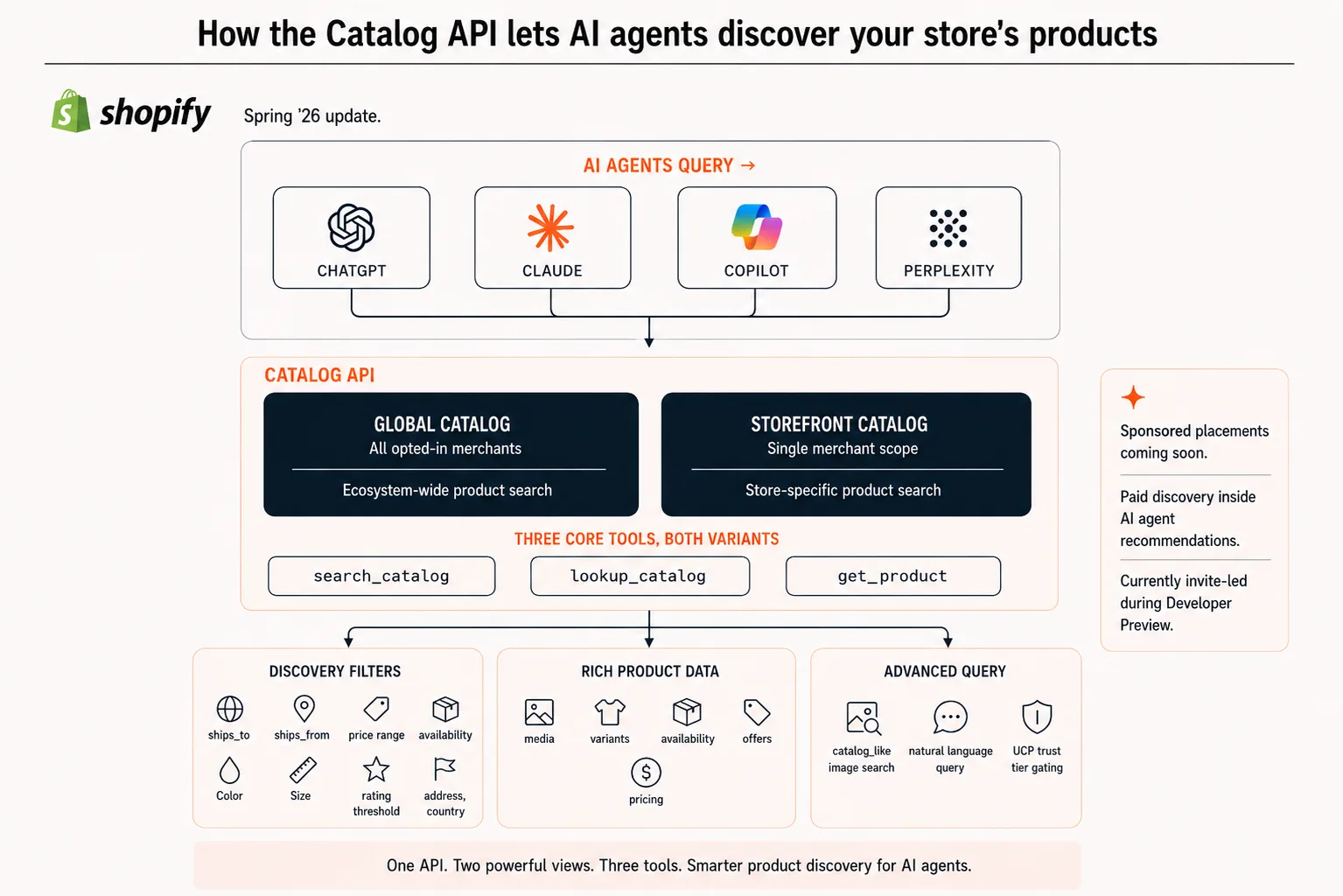
Fig 10 – How the Catalog API connects AI agents to your products across the Shopify ecosystem.
Your products become discoverable to any AI agent building on Shopify’s ecosystem, without custom integrations. If your Catalog is populated and complete, agents recommending across ChatGPT, Copilot, Claude, Perplexity can find and surface you.
Coming soon
Sponsored placements are a new revenue and paid discovery surface. Think of them as Amazon sponsored results inside AI agent recommendations. Currently invite led during Developer Preview. Watch for the general availability announcement and start planning your bidding strategy now.
Two watch outs.
- Image handling. Agents must render your product images in real time from Shopify URLs. No downloading, no caching. If your CDN goes down or you rotate image URLs without redirects, agents cannot show your products. Image asset stability matters more now.
- Cached results. Agents cannot cache Catalog search results. Catalog reflects your live pricing, availability, and merchant preferences, so AI shopping on your products depends on Catalog API uptime and rate limits.
For app publishers and agentic shopping tool builders, mechanics matter. Bearer token auth. Endpoint format discover.shopifyapps.com/global/{API_VERSION}/{resource}. Three tools conform to UCP. Global Catalog extension adds Shopify specific fields (media, variants, availability, offers from multiple sellers). Filter surface is rich: ships_to, ships_from, price range, availability, attributes (Color, Size), rating with min count, address_country context. Image search via catalog.like on search_catalog. UCP trust tiers gate access. Higher tiers unlock direct checkout. Field names and behavior are not final during Developer Preview. Build to accommodate churn.
Docs at shopify.dev/docs/agents.
Catalog, Cart, Checkout, and Order MCPs
Four UCP compliant MCP servers that let AI agents complete the entire buyer journey on Shopify stores.
- Catalog MCP. Discovery and search.
- Cart MCP. Building and iterating the cart.
- Checkout MCP. Payment completion.
- Order MCP. Lifecycle monitoring.
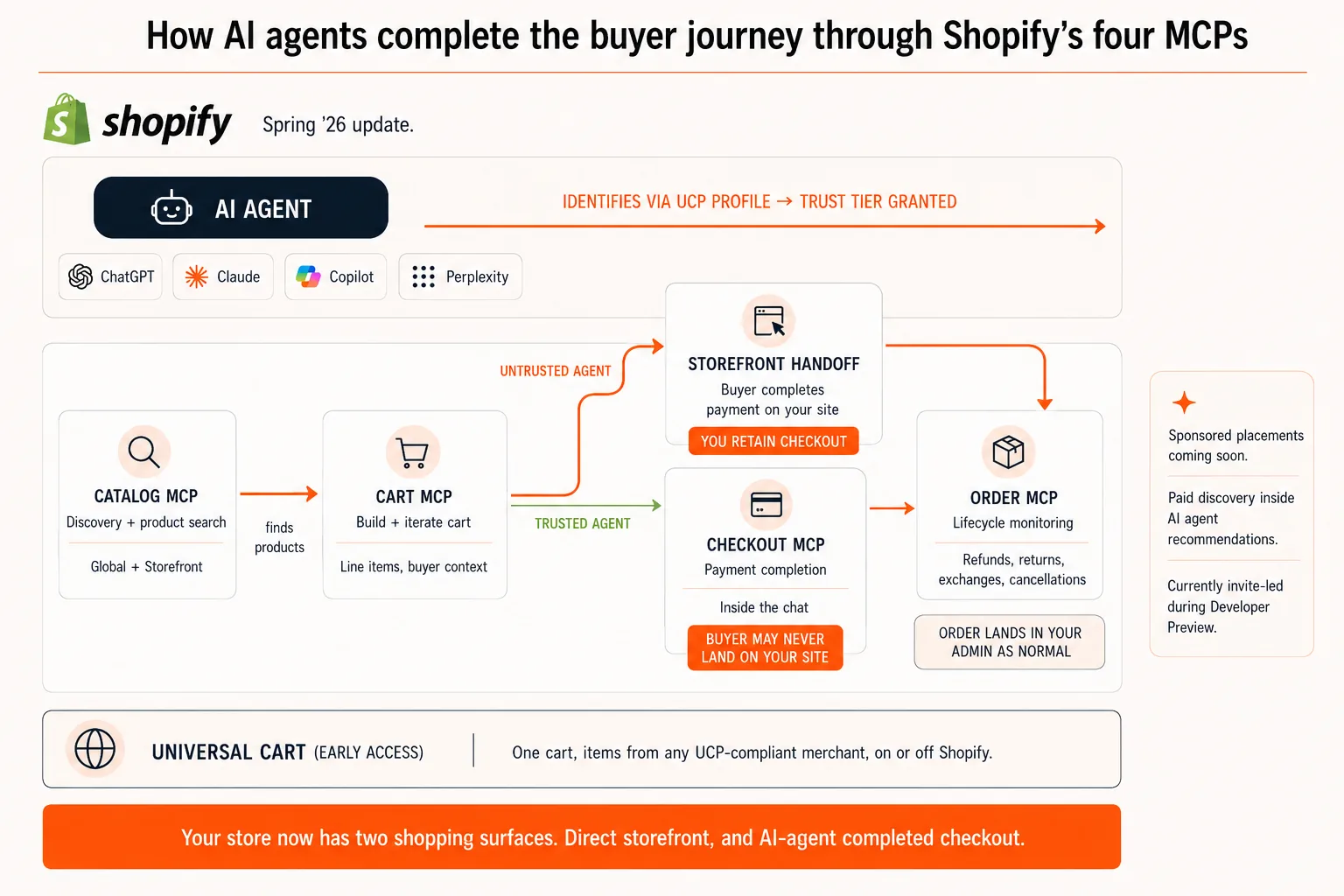
Fig 11 – How AI agents complete the buyer journey through Shopify’s four MCPs: Catalog, Cart, Checkout, and Order.
Agents identify via a UCP profile at a well known URL and get access based on trust tier. Universal Cart (early access waitlist) extends this by letting an AI agent build a single cart with items from any UCP compliant merchant on or off Shopify.
Your store now has two shopping surfaces. Buyers visit your storefront directly, or complete a purchase inside an AI agent (ChatGPT, Copilot, Claude, Perplexity, or any UCP compliant agent) without landing on your site.
For untrusted agents: discovery to cart to checkout handoff. Agent builds cart, buyer completes payment on your storefront. You keep the checkout and customer relationship.
For trusted agents (higher UCP trust tier), the agent can complete checkout on the buyer’s behalf. Payment resolves inside the chat. You may never see the buyer on your storefront. The order still lands in your admin as a normal order.
Post purchase, everything flows through your existing pipeline. Refunds, returns, exchanges, cancellations, edits emit UCP shaped order webhooks agents can subscribe to. From your side, normal Shopify order operations.
Watch out
You do not choose which agents can transact against your store. Shopify enforces trust tiers and access. Your role is to keep your Catalog complete, your policies accurate, and your Storefront Catalog properly scoped. Which agents build shopping experiences on top of your store is a Shopify level decision.
For app publishers and agentic shopping tool builders, the toolkit is public. npm install -g @shopify/ucp-cli, then install the Shopify AI Toolkit plugin for your tool (Claude Code, Codex, Antigravity CLI, Cursor, VS Code). Node.js 18+ required. Cart MCP supports line items, localization, buyer context. Checkout MCP completes purchases for trusted agents only. Order MCP fetches live state and subscribes to fulfillment, refund, return, exchange, and cancellation webhooks. Trust tiers gate capabilities and rate limits.
Docs at shopify.dev/docs/agents.
Shop Skill for Personal AI Agents
A shopper connects a personal AI agent (OpenClaw, Hermes, or any agent supporting the skills format) to their Shop account. The agent can search the catalog, prepare checkouts, place orders (with buyer permission), track orders, and read return policies. Payment stays in Shop Pay. Buyer payment details never reach the agent.
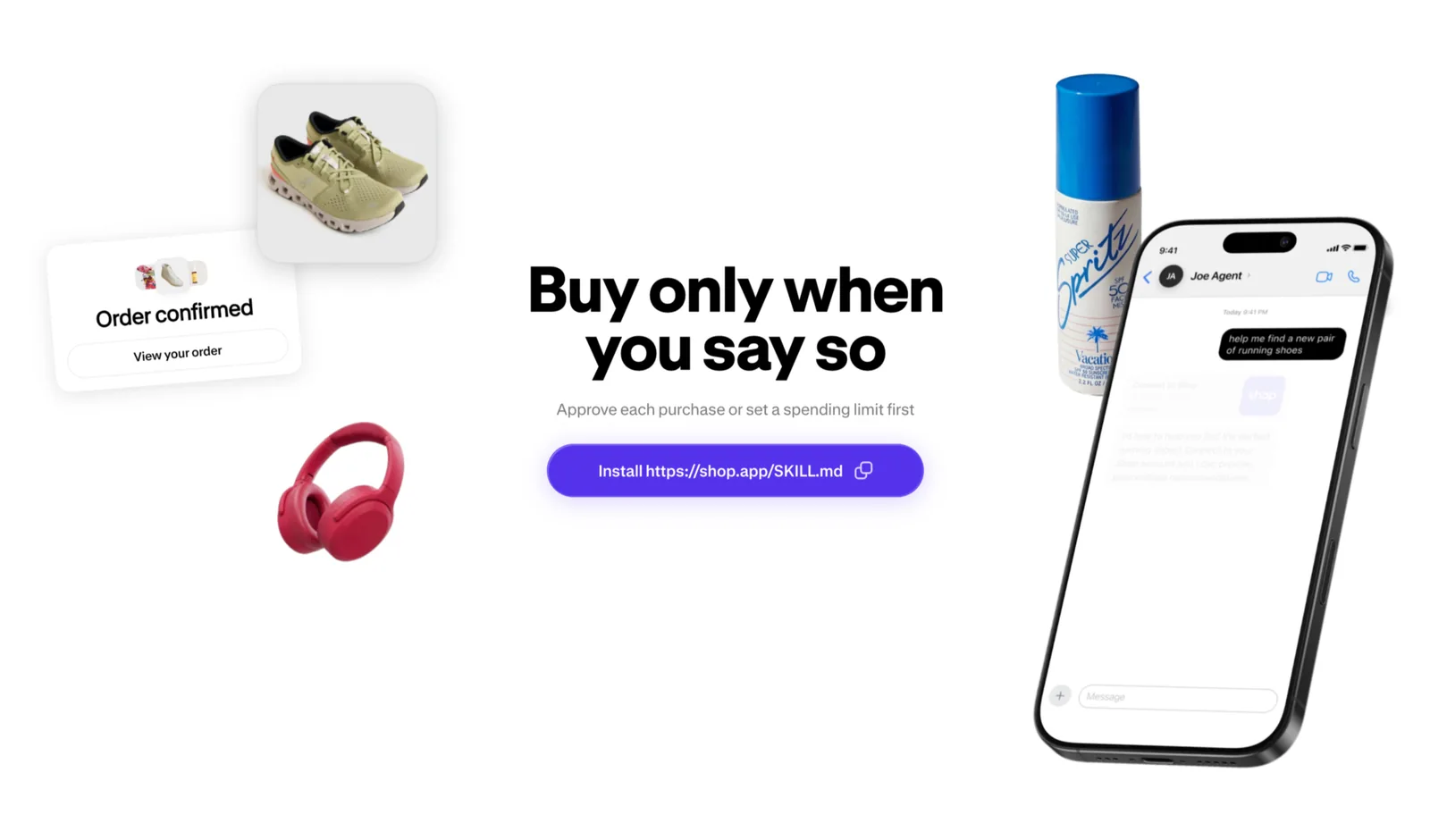
Fig 12 – How personal AI agents buy from your store through Shop skill, with payment staying in Shop Pay.
A new discovery surface for merchants, separate from UCP. Buyer initiated, buyer controlled, powered by natural language and image search. Five things to know.
- Personalization runs off the Shop profile. Ranking uses the shopper’s Shop settings, order history, and preferences. Repeat customers get preference in the agent’s shortlist.
- Reorder is a first class capability. When a shopper says “reorder my usual coffee,” the agent finds you in their order history and places the order.
- Return policy language gates reach. The agent reads your published return policy. Shoppers can prompt agents with rules like “do not buy from stores that do not accept returns.” Loose policy costs you reach.
- Order tracking flows through email receipts. The agent tracks any order where the shopper received an email receipt at the connected address. Confirmation emails are the tracking source of truth.
- Purchase completes via Shop Pay. You get customer information from Shop like a normal Shop checkout.
Two watch outs.
- Orders placed by agents count as buyer authorized. If the shopper disputes an order an agent placed, the dispute is likely unsuccessful. Merchant protection stands. Customer service may hear “my AI bought this without me realizing” claims.
- Personalization requires Shop sign in. Ranking does not apply if the shopper is signed out. Encourage Shop sign in and Shop Pay adoption at your checkout.
For publishers building shopping tools, one boundary. Shop skill is personal use only. No commercial products, no bulk downloading or reselling catalog data, no AI model training, no aggregating data from multiple Shop users. Commercial shopping agents use UCP + MCP (Cart and Checkout MCPs).
Docs at shop.app/skill.
Agentic Plan for Non-Shopify Brands
A separate Shopify plan for brands not on Shopify. Syndicate to AI channels (ChatGPT, Google AI Mode, Gemini, Copilot, Perplexity, Shop app) and process checkouts inside AI conversations. No monthly fee, usage based. Includes Knowledge Base. Integrates with existing PIM, tax, and OMS. Open for signup.
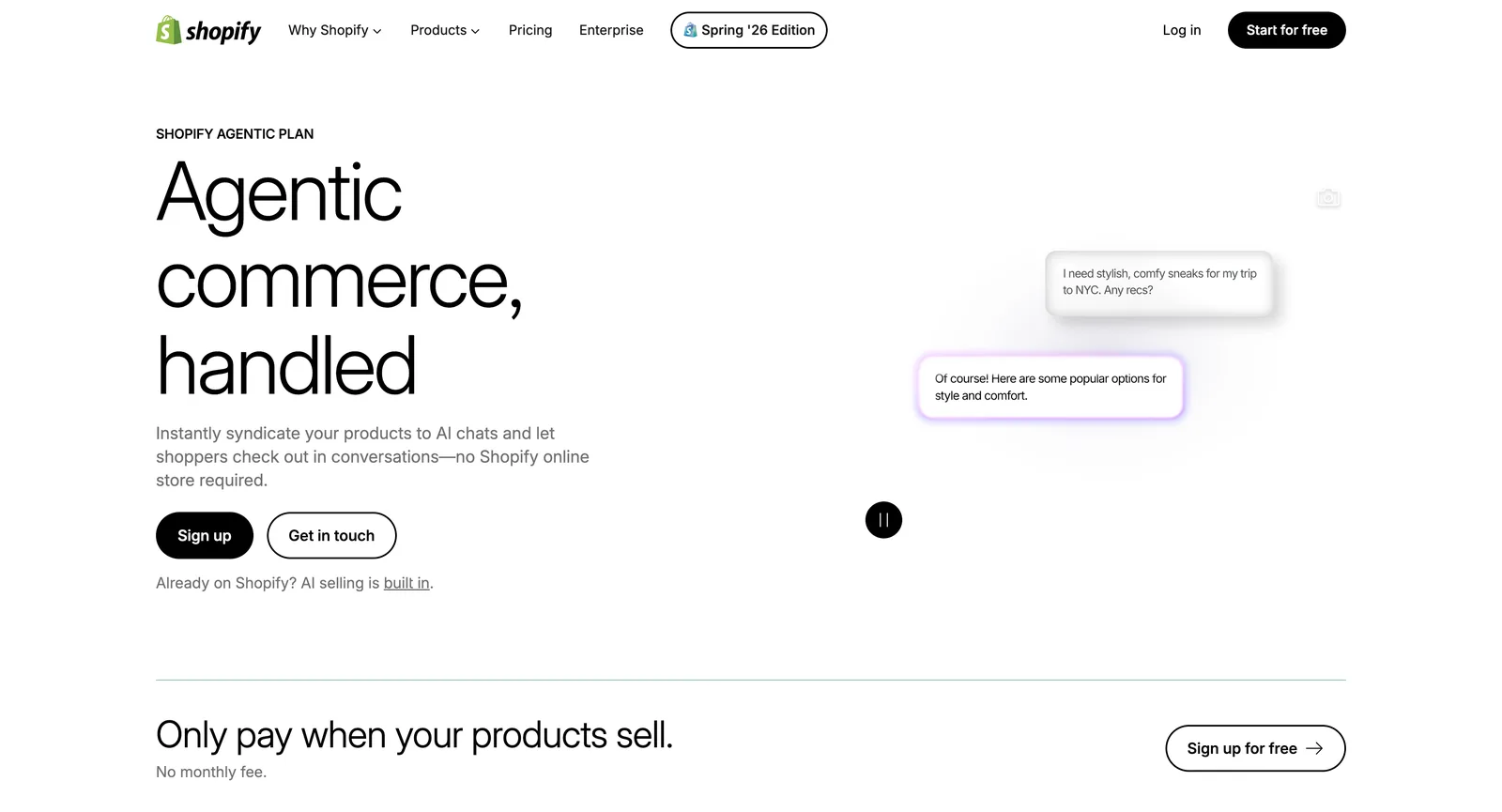
Fig 13 – How Agentic Plan extends AI channel access beyond Shopify stores.
A competitive shift for merchants. Non Shopify brands (WooCommerce, BigCommerce, Salesforce Commerce Cloud, Adobe Commerce, headless stacks) can now list to the same AI surfaces you compete on. Being on Shopify is no longer an inherent edge in AI mediated commerce. Winning share depends on Catalog completeness, Knowledge Base quality, ratings, and shipping availability.
Three signals.
- Market signal. Shopify is positioning as checkout and catalog infrastructure for the whole AI commerce ecosystem. Your Shopify bet still pays off through AI Toolkit, Sidekick, Search Intelligence, and native admin depth. The assumption that non Shopify brands are handicapped in AI channels no longer holds.
- Pricing signal. A pure usage based Shopify plan is unusual. Shopify may extend usage first pricing to other capabilities. Worth monitoring if you plan Shopify Plus contract negotiations.
- Tactical for multi platform brands. If you sell on Shopify with parallel catalogs elsewhere (Amazon Seller Central, WooCommerce microsites, headless direct to consumer sites), non Shopify catalogs can syndicate via Agentic Plan without moving to Shopify. Low cost AI channel expansion for products outside your Shopify store.
Docs at shopify.com/agentic-plan.
Build Infrastructure Updates
2 updates that change what building on Shopify costs and how the tools you commission get built. Most direct impact on your development budget.
Framework Independent Hydrogen
Hydrogen has been rebuilt with Vercel. Shopify pulled commerce out of the framework. The old Remix + Oxygen bundle is now a plain JavaScript core of Shopify commerce primitives (Storefront API client, cart, Shop Pay, analytics, money math, standard events) that plugs into whatever framework and hosting your team uses. Next.js, React Router, SvelteKit, Astro, SolidStart, Nuxt, Remix 3. Runs anywhere fetch does (Oxygen, Vercel, Cloudflare Workers, Node, Deno).
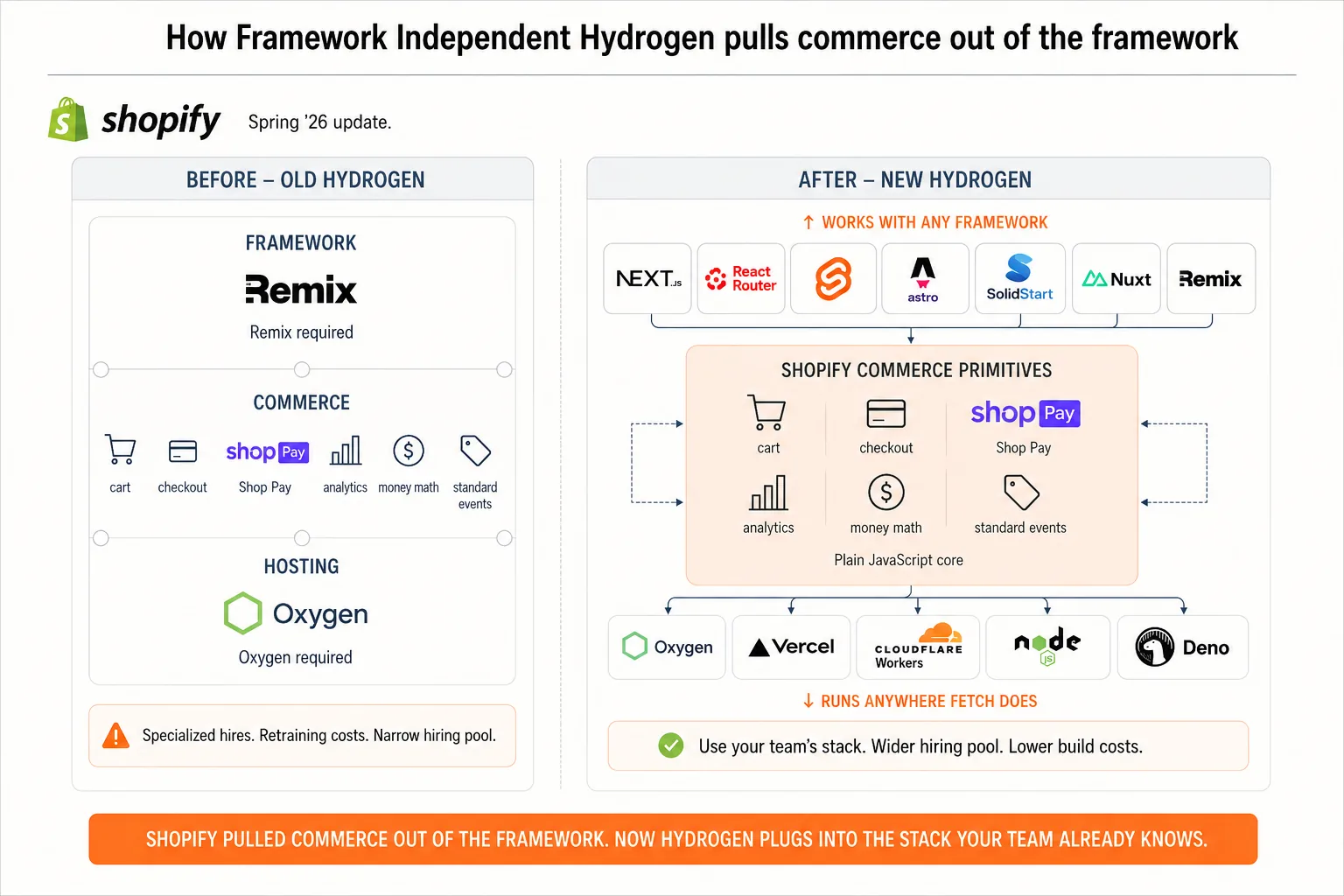
Fig 14 – Framework Independent Hydrogen decouples commerce from the framework.
For merchants, headless math just changed. Old Hydrogen required Remix expertise and Oxygen hosting. New Hydrogen lets developers use tools they know. Lower build costs, faster ramp up, wider hiring pool, less maintenance risk.
If you shelved headless as too expensive, revisit. For stores hitting theme limits (unusual navigation, complex configurators, custom personalization, non standard templates), the barrier dropped. If you run headless on the old stack, existing storefronts keep working. Migrate when you have a reason.
Angle
The new Hydrogen speaks Standard Storefront Events and Actions (see the Storefront and Theme section above). This closes a historical gap where headless stores had spotty app compatibility. Apps you install on your Shopify admin now work against your headless Hydrogen storefront the same way they work against a Liquid theme.
Watch out
Developer Preview only. Not for production. Oxygen deploy through the Shopify CLI is not yet wired up in the preview.
For app publishers and storefront builders, this is the largest change in Shopify’s storefront tooling in years. React bindings ship today. Vue, Svelte, Remix 3 bindings coming. Reference proofs of concept for all supported frameworks in the preview repo. Typed Storefront API client, reactive observables (signals style), server side request handlers, consent aware analytics, and Shop Pay all built in. Agent skills bundled with the package.
Preview announcement at hydrogen.shopify.dev.
The New Collections API
The 2026-07 Admin API replaces the smart versus custom binary with a composable collections model. Collections combine multiple sources (automated conditions, manual picks, exclusions, references, shareable app sources) with variant targeting. Existing collections keep working.
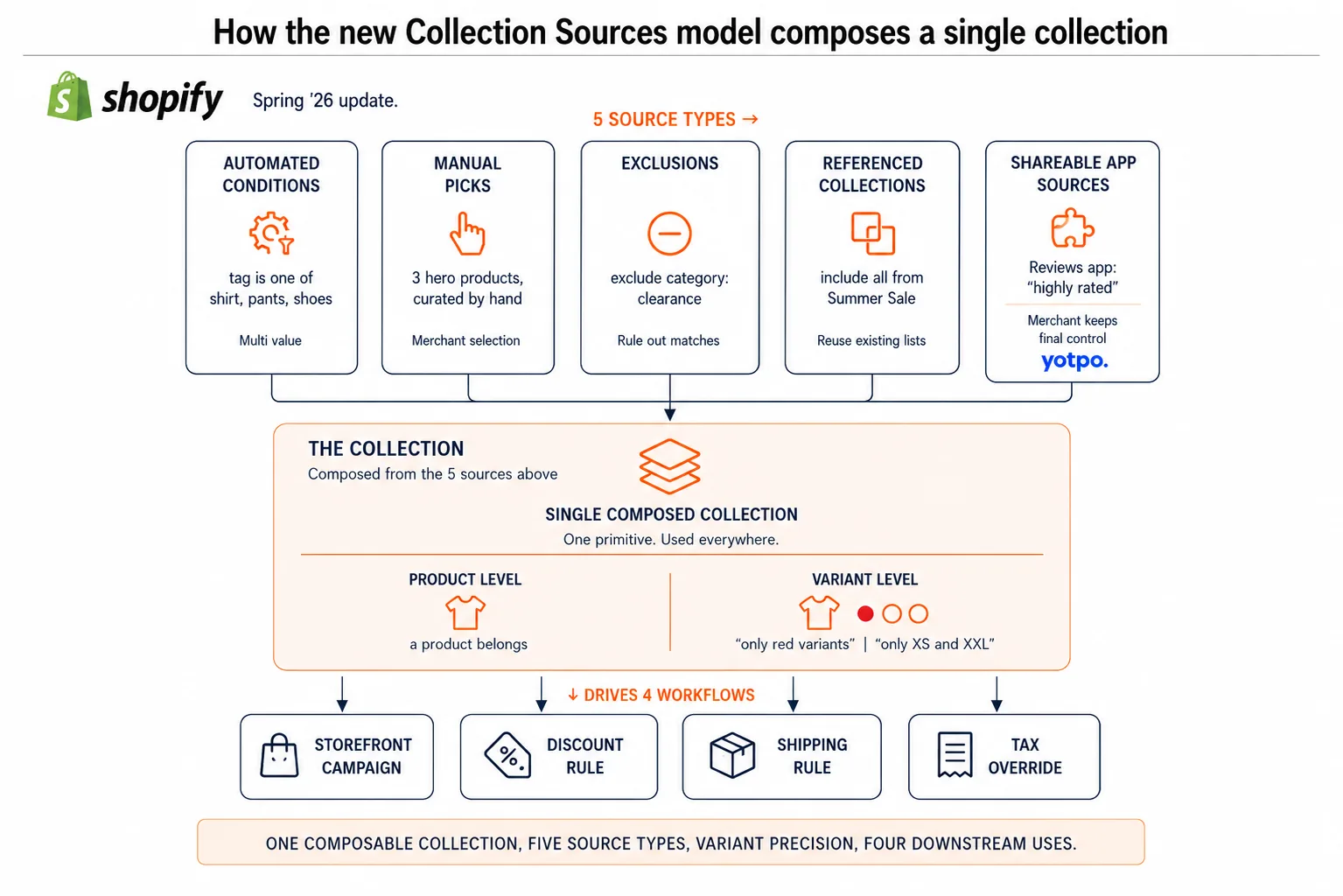
Fig 15 – The Collection Sources model composes one collection from multiple source types.
Collections now match how merchandising actually works. A June Sale collection can auto include sale priced products, exclude a category, and let you feature 3 hero products by hand. Multi value conditions work too. One rule matches “tag is one of shirt, pants, or shoes.” Variant level targeting fixes wrong swatches, misleading price ranges, and inaccurate filters. A Valentine’s Day collection can include only red variants. A size promotion only XS and XXL.
Collections become business primitives across storefront and back office. The same variant scoped collection can drive a campaign, discount, shipping rule, or tax override. Apps contribute sources too (a reviews app publishing “highly rated”), and you add them to collections you still control.
Two watch outs.
- App compatibility. API versions before 2026-07 cannot represent new model collections. Any app that reads, writes, or renders collections needs to update. Unmigrated apps silently return 404. Check installed apps: discounts, cart, checkout, PIM sync, ERP, tax, shipping.
- Migration timing. Existing collections keep working. Migrate when critical apps confirm 2026-07 support and a workflow benefit justifies it.
For app publishers whose apps touch collections, migration is meaningful. Unmigrated apps return 404 on new model collections and appear healthy while silently missing every new collection a merchant creates. Shareable app owned sources are the new opportunity surface (reviews signals, subscription eligibility, trend signals, curated picks). Function input queries must switch from Product.inCollections to ProductVariant.inCollections. On variant scoped collections, Product level fields return false even when variants belong (silent breakage risk in existing Functions). Mutation shapes changed. collectionCreate and collectionUpdate now take a collection: argument (legacy input: CollectionInput! deprecated). Product additions and removals go through selectionsToAdd and selectionsToRemove.
Docs at use-new-collections-model and the migration guide.
If Spring ’26 Landed as Noise, That Is the Gap We Close
At Clixlogix, we build Shopify stores that ship on new APIs on release day. We build and migrate Shopify apps at production quality, including the Static Apps, Sidekick extensions, and App Pricing migrations from Spring ’26. We do platform modernization your team may not have capacity to lead this quarter, from Standard Storefront Events adoption on legacy themes to Framework Independent Hydrogen migrations. And we translate every release into a plan for the merchants we work with, so you never learn about a Shopify shift after it has reshaped your channel share.
If your partner has not briefed you on Spring ’26 yet, that is the conversation to start.
Talk to Our Shopify Team