Enterprise leaders are being pitched agentic AI as a productivity multiplier. Agents that answer customer questions, close tickets, draft contracts, run internal analysis, execute workflows across systems. Agentic AI depends on a foundation most companies build last, when they build it at all.
Before an agent can act on behalf of an organization, it needs to know what the organization knows. It needs to know which of those things are current, which are approved, which users cannot see them, and which of its own actions can be traced back to a source later. That foundation is the AI knowledge base.
Agent projects often skip past this foundation. Teams pick a model, connect a few tools, run a pilot, and discover in production that the agent confidently retrieves a stale document, surfaces content the requesting user should not see, or makes a decision that no one can explain three weeks later. Every one of those failures is a knowledge substrate problem.
The stronger frame, drawn from what practitioners are learning in production, is straightforward. An AI knowledge base is the operational control system that tells agents:
- What the company knows
- What they are allowed to know
- Which sources are authoritative
- What changed
- Who approved it
- Whether their actions can be audited
Every one of those is a prerequisite. Every one of them is what determines whether an agentic AI investment builds returns or quietly bleeds trust.
Before the architecture, the surrounding system.
Where the Knowledge Base Fits in an Agentic AI System
An enterprise AI knowledge base is one component in a broader agentic AI system. Every architectural decision about the KB affects how the other components behave, and every failure in the KB shows up somewhere else in the system. That is why teams need to build an agentic AI strategy on existing systems before they decide which knowledge store, model, or tool layer to wire together.
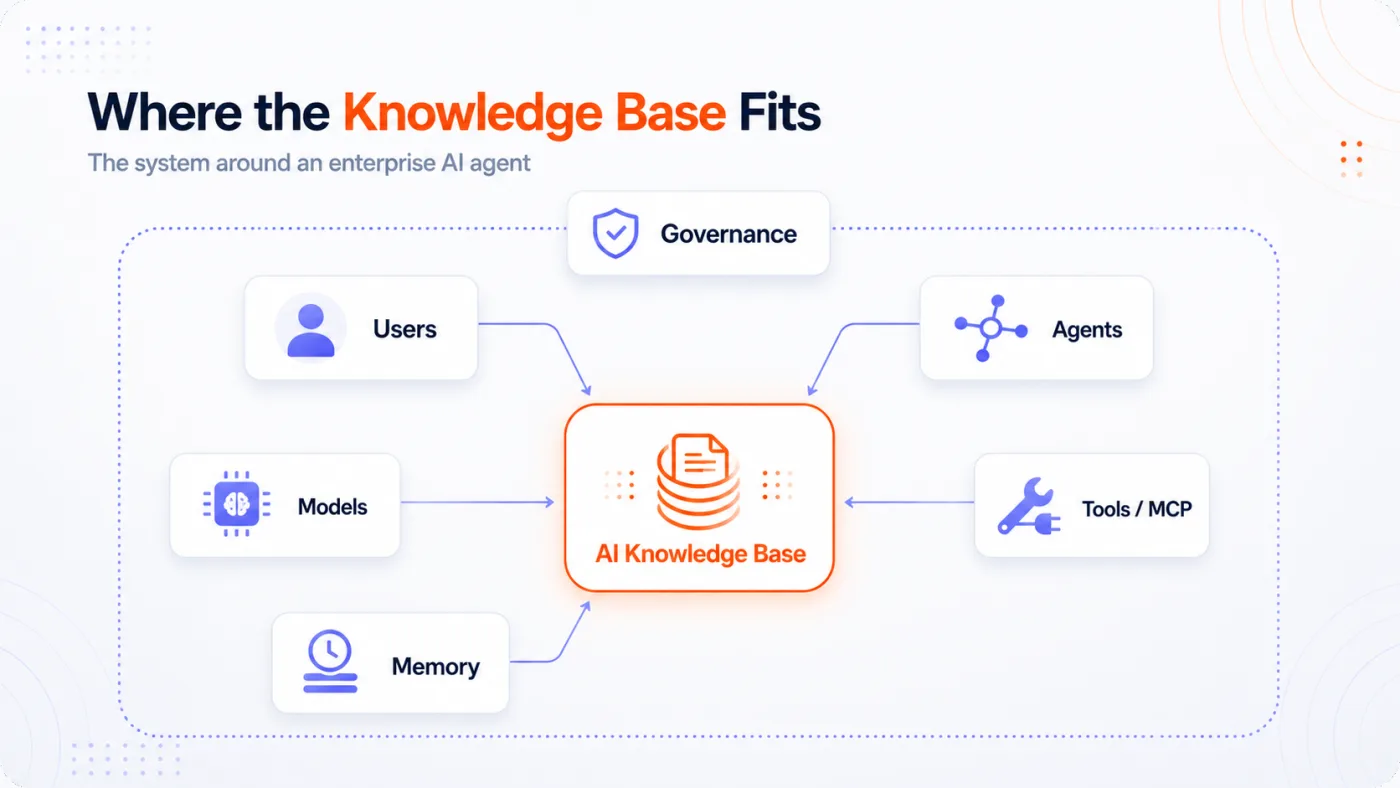
Fig 1 – The knowledge base sits at the center of the agentic AI system
The system that surrounds the KB has 6 other components. Each one interacts with the KB in a specific way:
- Users and requesting systems – Humans or upstream services making requests that the agent will act on. The requesting user’s identity determines what the agent may read from the KB.
- Agents – The reasoning and execution units acting on the user’s behalf. Every agent decision uses KB content as its ground truth.
- Models – The LLMs the agents call for reasoning and generation. The KB gives the model the organizational context it needs to answer correctly. Choosing which model runs which job is a separate architectural discipline.
- Tools and MCP servers – External capabilities the agents invoke, from sending an email to querying a database. Tool contracts often live in the KB alongside document content.
- Memory – Session state and running observations that the agent carries between interactions. Memory is a separate concern from the KB with different governance rules.
- Governance overlay – The permissions, provenance, and audit rules running through every step. The overlay reads from the KB to enforce policy at query time.
The KB is the system’s governed access point to durable truth. Every other component in the system interacts with it, and every other component inherits the errors of a wrong KB.
This positioning explains why certain failure modes are predictable when the KB is treated as an afterthought.
Why Agentic AI Strategy Fails Without Governed Knowledge
Enterprise teams building agents keep running into 4 truths in production. Each explains a class of failure that governance would have prevented. Each earns the knowledge base its place in the strategy conversation.
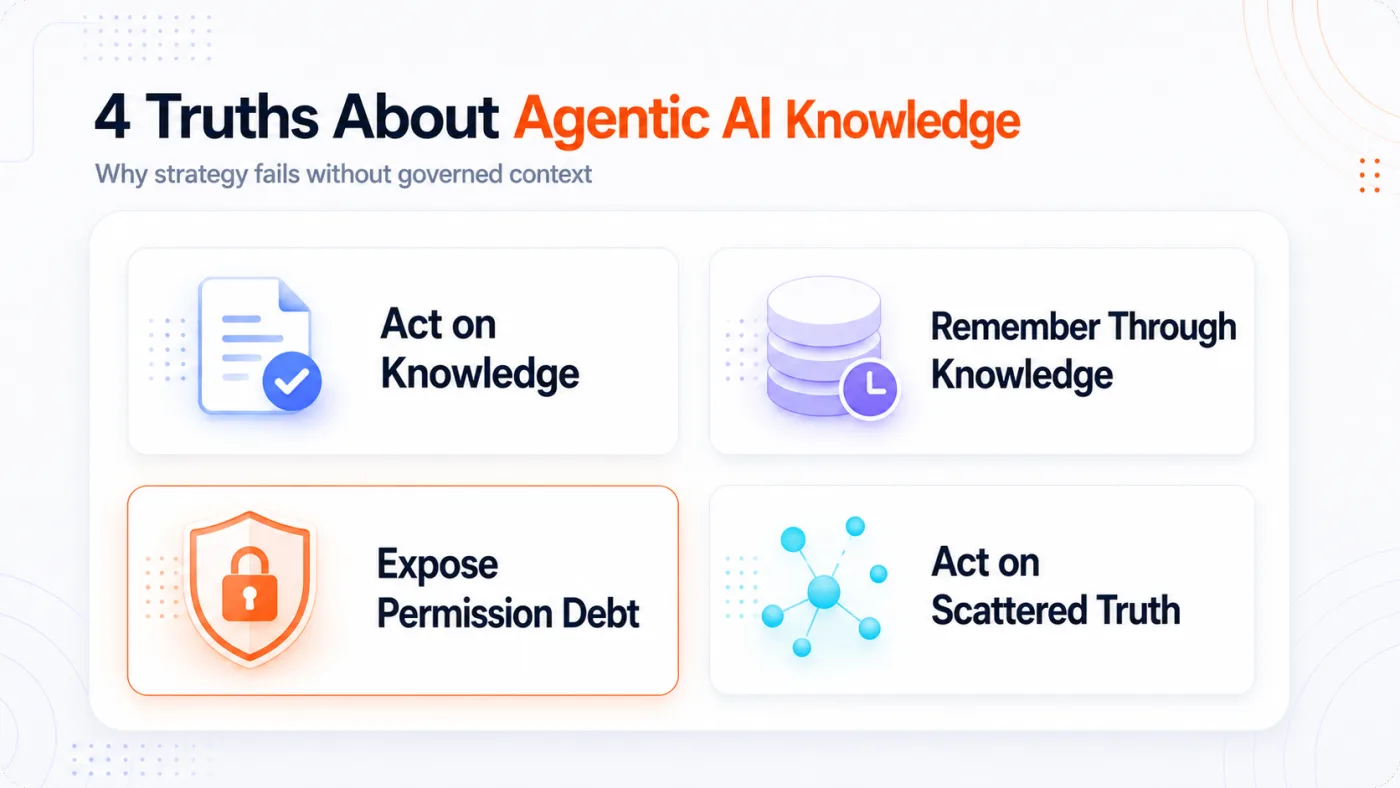
Fig 2 – Four truths teams keep meeting in production
Agents Act on Knowledge
Every agent decision uses organizational knowledge as its ground truth. Retrieving a customer record, drafting a response, executing a workflow. When that knowledge is wrong, stale, or contradictory, the agent’s action inherits the flaws. Practitioners keep landing on the same conclusion. AI amplifies skill, and it amplifies the skill the team has captured. Anything the team has not captured, the agent has to guess at, and it will guess confidently.
Agents Remember Through Knowledge
Session context is fragile. An agent’s memory across sessions, users, and workflows depends on knowledge that persists outside the model. The durable data record outlives the current model, the current agent framework, and the current orchestration tool. Every enterprise agent program eventually treats the knowledge base as the memory that persists. Everything else is temporary state the agent rebuilds from that persistent record.
Agents Expose Permission Debt
When agents inherit user permissions, every historical case of oversharing, orphaned ownership, and stale access control becomes easier to surface. Microsoft’s secure foundation guidance for Microsoft 365 Copilot says responses use data the user already has permission to access, and its SharePoint Advanced Management guidance calls out oversharing risks such as broad sharing links, broken permission inheritance, ownerless sites, and excessive audiences. Permission debt was already there. Agents make it visible under production load.
Agents Act Confidently on Scattered Truth
When the same fact lives in Notion, Confluence, Salesforce, and Slack with different values, the agent picks one. It may be wrong. It will act confidently. The agent has no signal telling it which source is canonical, no mechanism for detecting the disagreement, and no way for a reviewer to trace which record informed the action later. Every case of scattered truth becomes a governance failure the moment the agent acts on it.
These 4 truths converge on one question. What is an AI knowledge base actually doing when it does its job?
Every Enterprise Knowledge Base Reflects the Business Around It
No two enterprise knowledge bases look the same. Every build reflects 4 axes of variation. Each one produces a different set of design decisions for the organization.
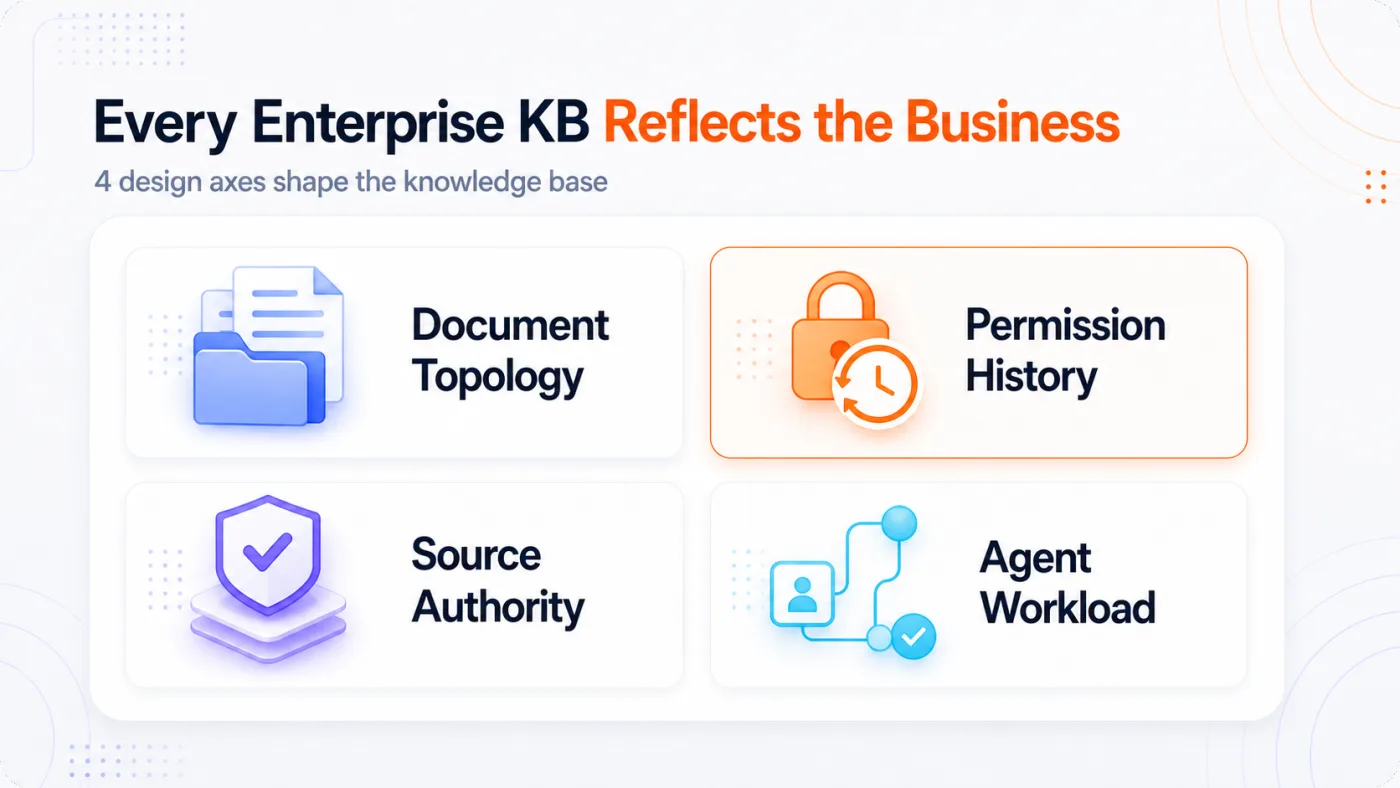
Fig 3 – Every knowledge base reflects four axes of the business around it
- Document topology – Some organizations run heavily on Confluence, some on Notion, some on a mixed set of SharePoint, Google Drive, and Slack. The specific mix decides what ingestion looks like and where the friction concentrates.
- Permission history – Every organization has a decade or more of access decisions that reflect its unique growth path. The permission graph an AI agent inherits is specific to that company. No vendor ships a permission model that matches an organization’s history.
- Source authority – Which system holds the authoritative version of a customer record differs from company to company. The canonical system varies by organization, from Salesforce in some to the ERP or a data warehouse in others. The knowledge base has to know which is which for every fact class the agent might read.
- Agent workload profile – An internal sales assistant, an engineering copilot, and an operations agent read the knowledge base differently. Retrieval behavior, permission scope, and provenance requirements shift with the workflow. The knowledge base serves all three and stays usable across the different workflows.
Thoughtworks describes a related approach as an AI knowledge fabric that consolidates enterprise knowledge for AI use. Every one of the 4 axes above takes design decisions the enterprise itself has to make.
Of these 4 axes, permission history is where design decisions land first, and where mistakes cost the most.
Permission Debt Is the Hidden Cost of Agent Deployment
Permission debt is the exposure that accumulates as access decisions outlive their original reason. Every enterprise has it. Agents surface it every time they act.
Permission debt shows up in specific artifacts:
- SharePoint sites that go ownerless when their creators depart
- Group memberships that grew through reorganizations without trimming
- Sharing links that outlived their intended expiration
- Access reviews that kept slipping from the compliance calendar
- Service accounts created for a single migration that stayed live with elevated permissions
Each artifact made sense at the time. Nobody removed them when the reason disappeared.
The commercial consequence trails the technical one by weeks. Agents pass technical UAT because they retrieve information the requesting user can see. The security review catches what the agent surfaced. Compliance discovers that a Copilot summary included PHI, or that a sales agent pulled up an unreleased quarter’s financial data. Legal notices that agent outputs may qualify as electronically stored information that opposing counsel can request in discovery. Deployment happens in week 3, security escalation follows in week 6, and legal risk arrives later.
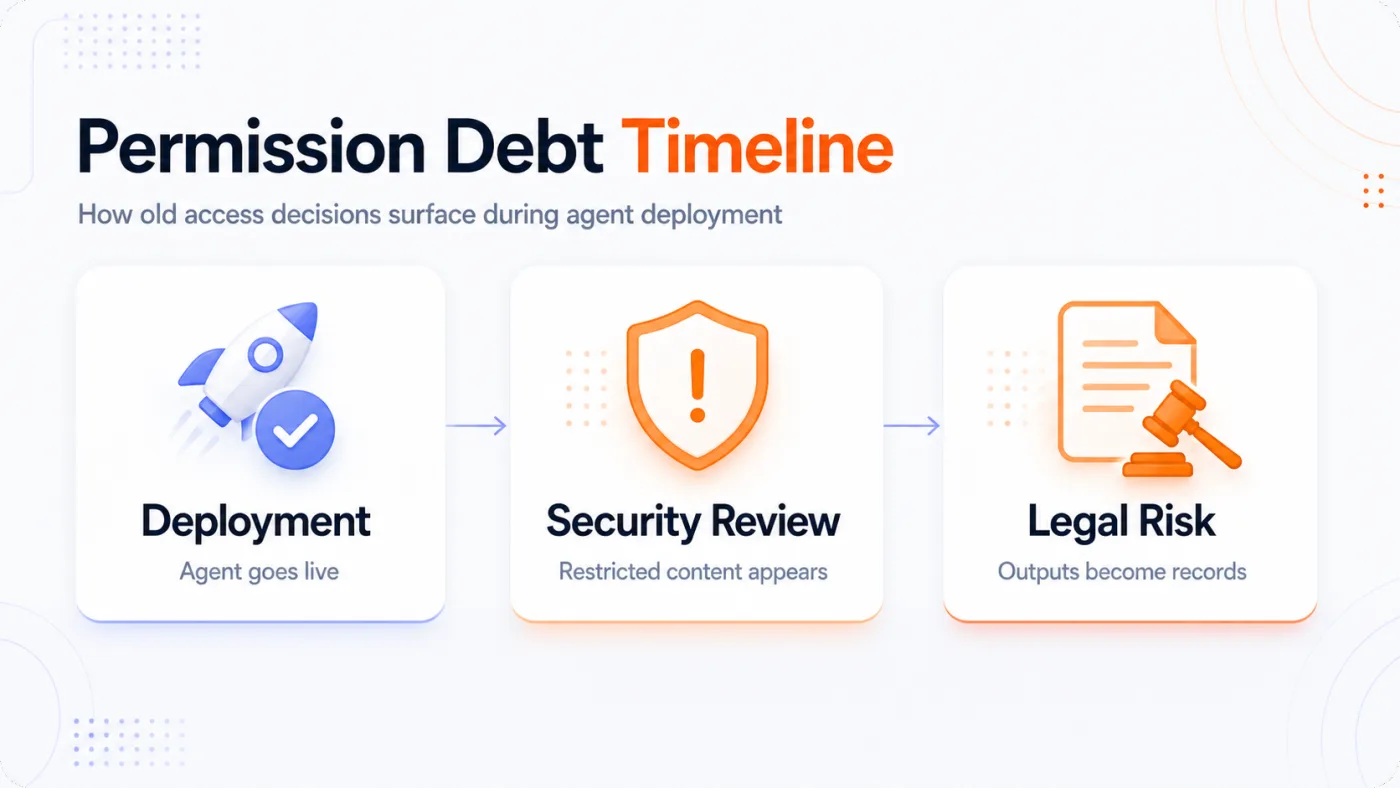
Fig 4 – Permission debt surfaces on a predictable timeline
Remediation follows a consistent set of practices:
- Audit permissions first – The audit runs before any agent rollout that touches organizational content. A clean permission graph precedes agent deployment.
- Read access by default – Agent access allows reading by default. Writing requires explicit justification and separate approval.
- Delegated identity – Every agent runs under the requesting user’s identity, inheriting their permissions and their audit trail.
- SIEM routing – Every prompt and response routes through the SIEM. Legal gets an audit trail without a separate integration project.
- Continuous review – The permission audit reruns whenever the organization changes structure.
These practices define an enterprise security posture for AI, one that treats the agent as a formal actor in the access model.
Permission is the first prerequisite. Documentation quality is the second.
Source of Truth and Documentation Quality Are Prerequisites
Enterprises with documentation gaps often reach for AI as the fix. The thinking is that a knowledge base can organize what teams have failed to organize themselves. The result is an AI that answers confidently against scattered source material.
An AI knowledge base cannot repair the source material it reads from. Documentation gaps and inconsistencies persist after ingestion, and confident agent retrieval surfaces every one of them. Ops teams have been landing on the same conclusion for years.
Bad documentation makes bad AI.
A KB build succeeds or fails on 3 prerequisites:
- Canonical source designation – Every fact class the agent might read needs a designated authoritative system. The right source varies by fact type, and enterprises typically end up with different canonical systems for customer data, financial records, and product information. Each designation stays current across reorganizations and system migrations.
- Staleness handling – Documents grow stale, and stale documents produce wrong retrievals. The KB needs a mechanism for flagging, quarantining, or refreshing content past its useful life. Without one, teams find out about stale documents only when an agent retrieves a bad answer.
- Ingestion discipline – Everything the agent can read becomes something it might act on. The KB needs a bar for what earns ingestion, and a process for removing content the team decides should not remain.
Every one of these prerequisites is ops work. The team assigns ownership for each canonical source, defines staleness thresholds by fact class, and writes and enforces the ingestion bar. This is business ops work, and every agent program that skips it discovers the gap in production. Legal AI teams have written extensively about what document structure does to AI reliability.
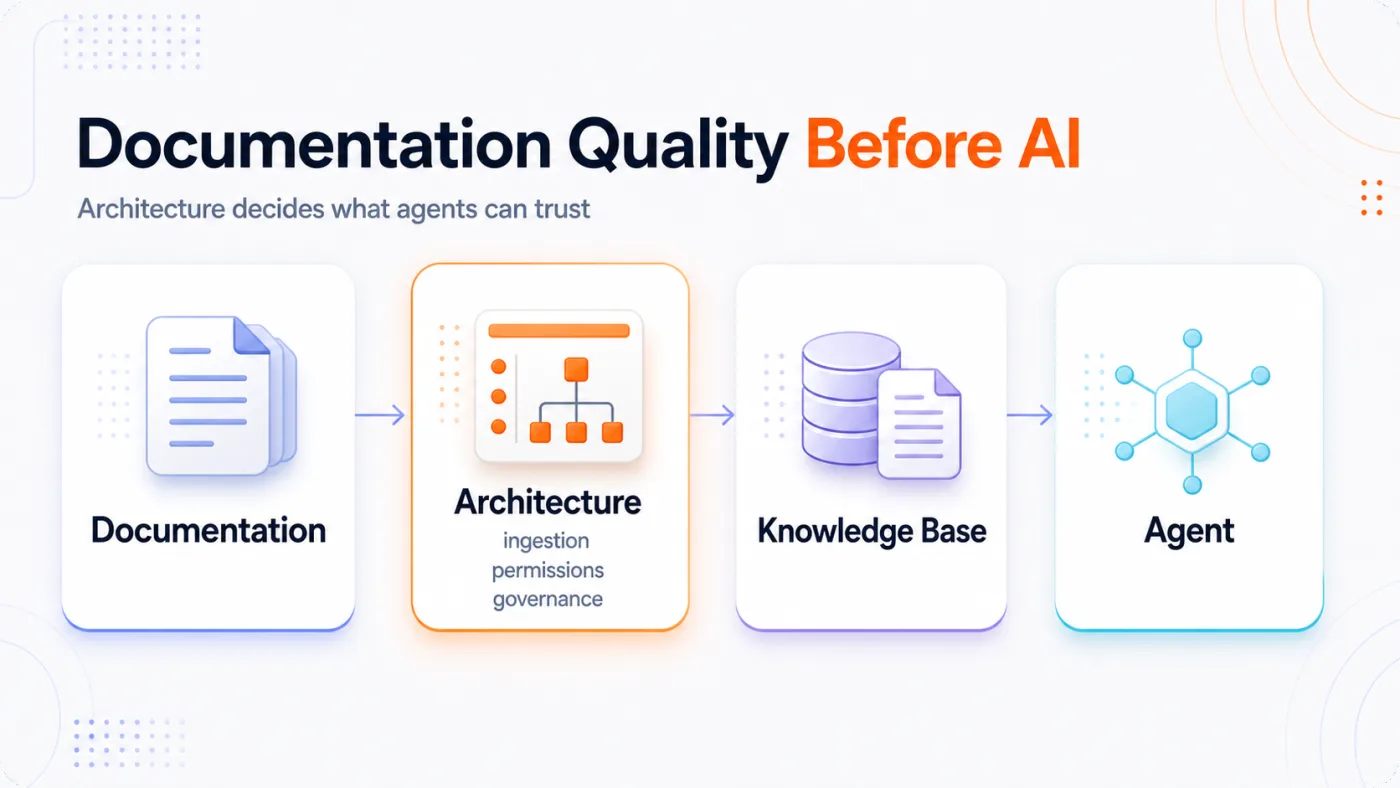
Fig 5 – Documentation is the input, the knowledge base is the container
Documentation is the input. The knowledge base is the container. Between them sits the architecture that decides what the agent can actually do with either.
Architecture of an Enterprise AI Knowledge Base
An enterprise AI knowledge base architecture has 4 parts. Each part governs a different phase of how content moves from source systems to the agent, and each carries specific design decisions that shape agent behavior in production. Getting any of the 4 wrong makes the whole system unreliable.
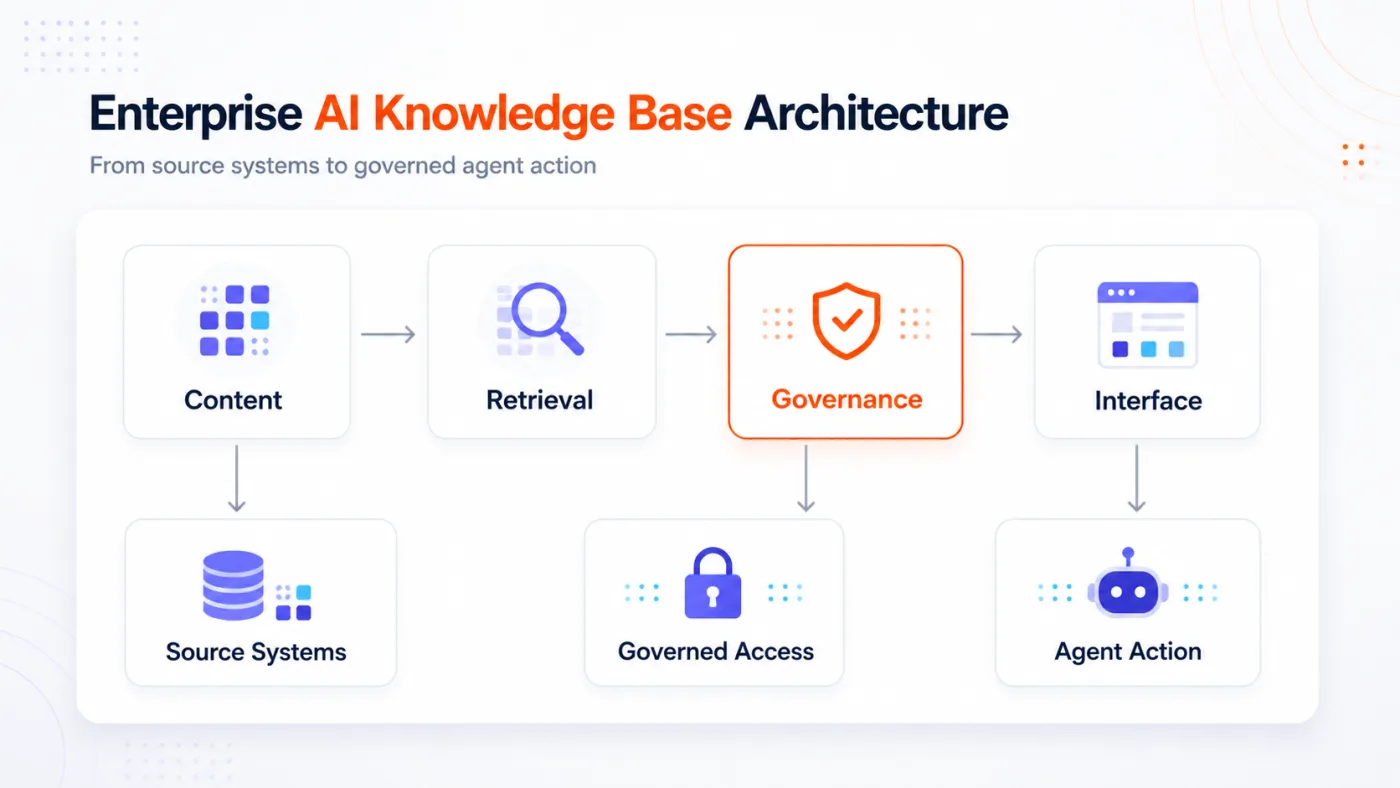
Fig 6 – The four parts of a knowledge base architecture
The 4 Parts
- Content – The source systems feeding the KB, including document stores, databases, ticketing systems, CRM, ERP, file shares, and markdown documentation. The architecture defines which sources the KB ingests, how often they refresh, and what transformation happens at ingest.
- Retrieval – The mechanisms that return relevant content when the agent queries, including vector search, keyword search, hybrid combinations, and RAG pipelines. The architecture picks retrieval strategies per query type and manages the balance between recall and precision.
- Governance – The controls that decide which users and agents see what, when content becomes stale, who approved a change, and how a reviewer can trace any retrieval back to its source later. This is where permission enforcement, provenance tracking, and audit logging live.
- Interface – How agents actually query and receive context. This includes the API surface the agents call, the tool contracts they follow, how the KB injects context into prompts, and the schema for structured results returning to the agent.
Inside this frame, teams make 3 real architectural choices. Each one shapes what the system can do and what it costs to run.
How the KB Organizes Knowledge
The first choice is how the underlying knowledge gets organized. 3 approaches show up repeatedly in enterprise knowledge base architecture.
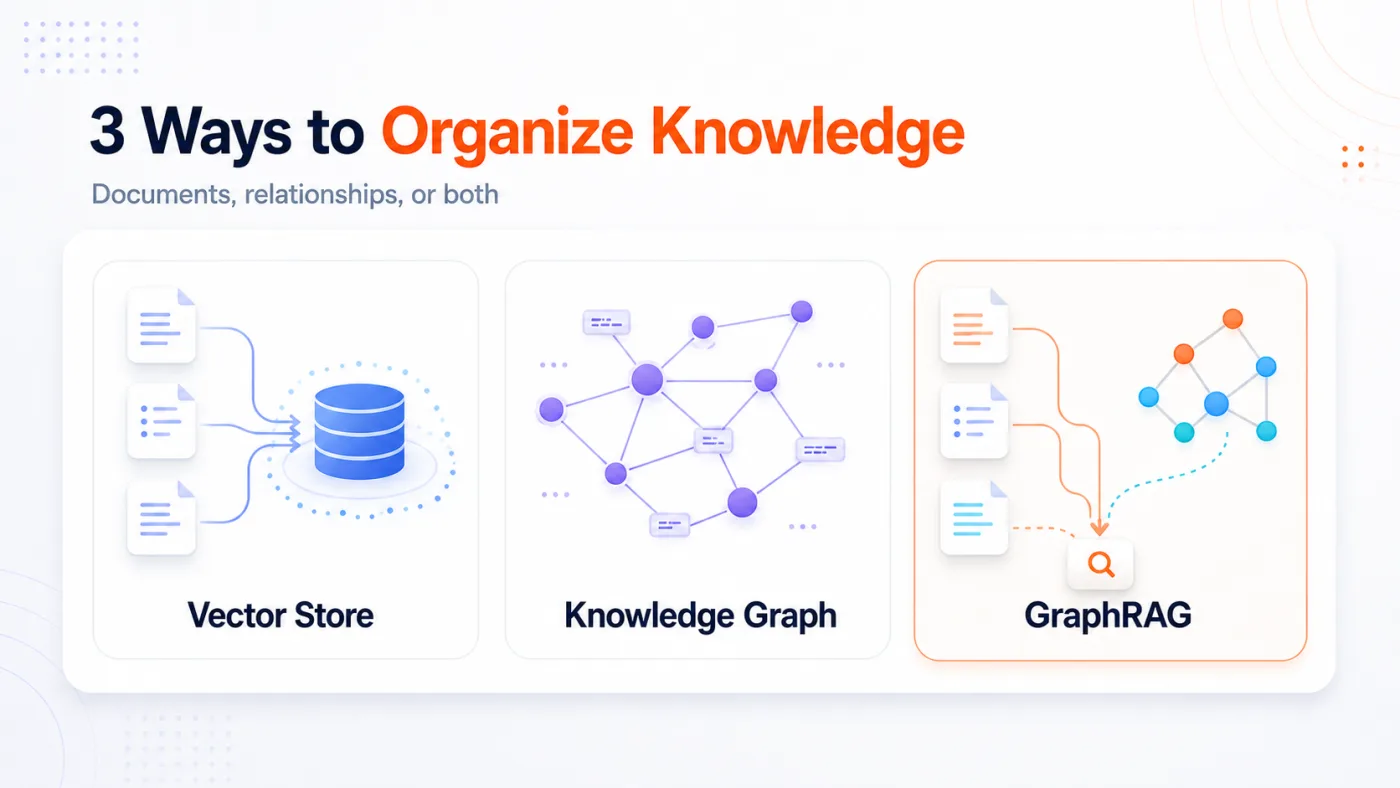
Fig 7 – Three ways to organize knowledge
- Documents in a vector store – Content lives as documents and chunks in a vector store, indexed for semantic retrieval. Fast to build and native to how enterprise knowledge already exists in Confluence, SharePoint, and file shares. Weaker at reasoning across multiple documents when the relationships between them matter.
- Entities in a knowledge graph – Content lives as entities and relationships. The KB knows that Supplier A ships to Warehouse B which serves Region C, and can traverse those relationships when the agent asks a question that spans multiple entities. Stronger at relationship reasoning. Slower to build because entities and relationships need modeling upfront.
- Documents and graphs together – The two coexist, with retrieval that traverses both. The industry calls this GraphRAG. Most complex to build, most powerful when relationship reasoning matters, and increasingly relevant for large enterprise deployments.
How Retrieval Works
The second choice is how the KB serves knowledge back when the agent asks.
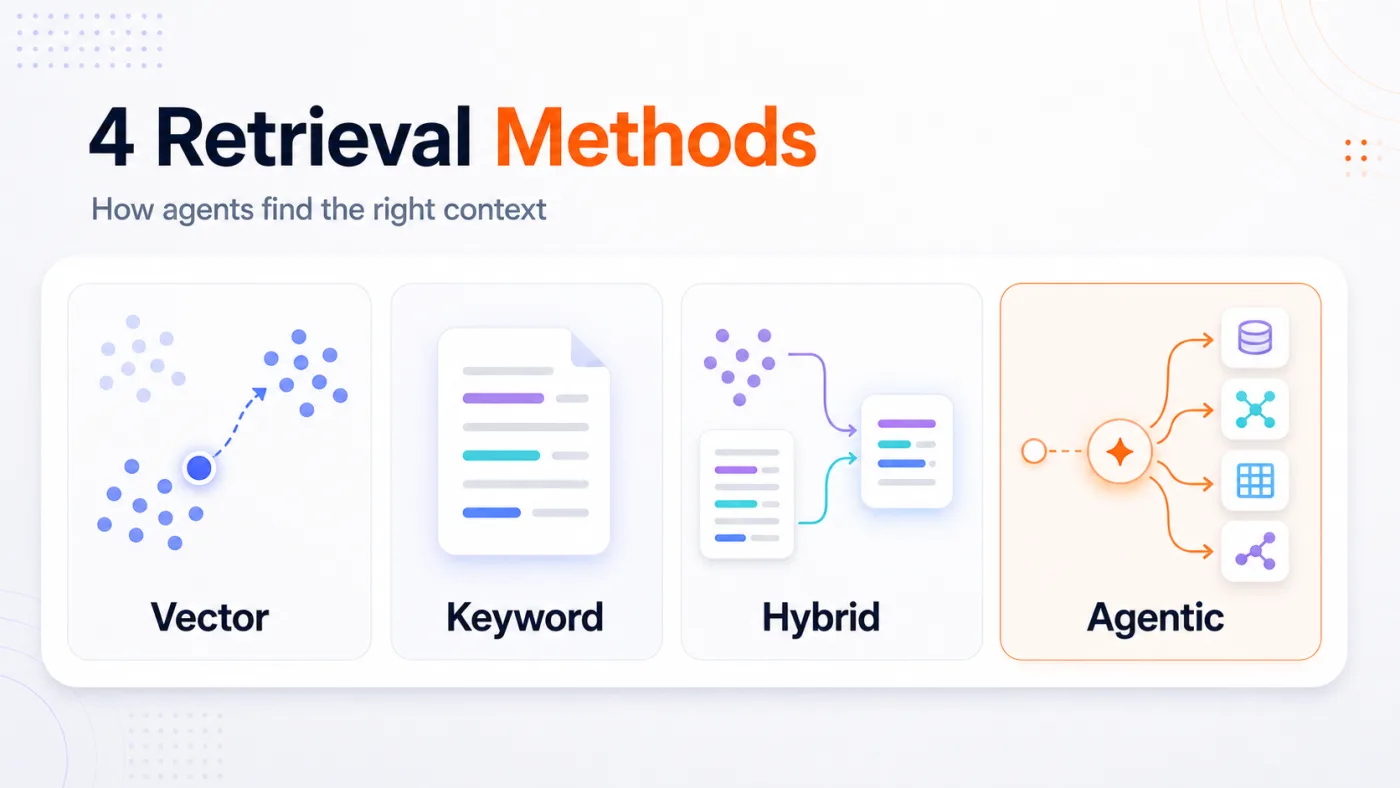
Fig 8 – Four retrieval methods compared
- Vector search – Semantic similarity between query and content. Works for natural language and paraphrased queries. Struggles with exact matches for identifiers or specific phrases.
- Keyword search – Lexical matching. Fast and deterministic. Struggles when query wording differs from source content.
- Hybrid search – Vector plus keyword combined. A common production baseline for enterprise retrieval.
- Agentic retrieval – The agent picks the method per query and can loop through multiple methods if the first attempt fails. More expensive per query, more accurate for complex questions.
RAG is one implementation across these strategies. It can use vector search alone, hybrid search, graph traversal, or agentic methods underneath.
Where Governance Sits
The third choice is where governance runs. All 3 placements exist in production.
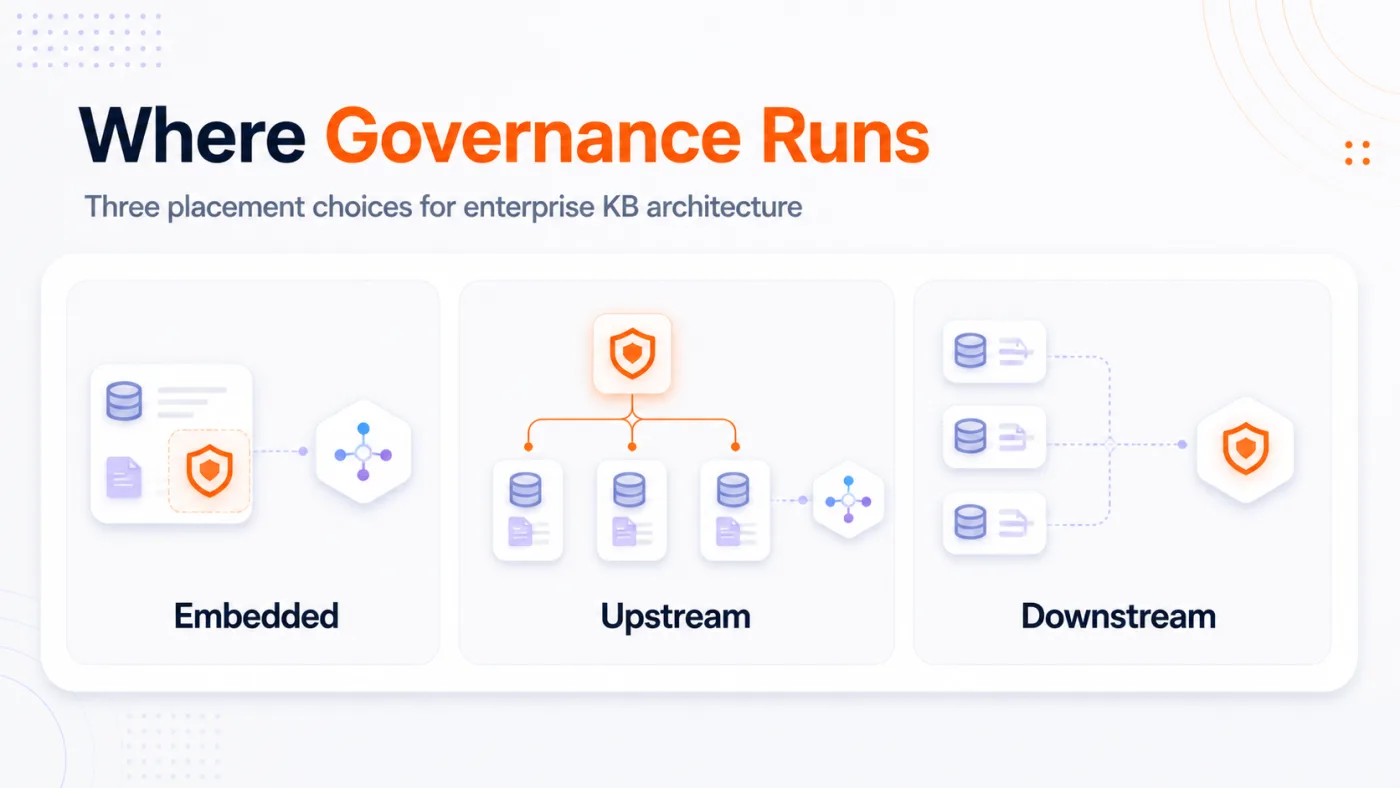
Fig 9 – Three places governance can sit
- Embedded governance – The KB itself enforces permissions and provenance at query time. Simplest to reason about. Harder to reuse when the enterprise runs multiple KBs.
- Upstream governance – A semantic or context service sits above multiple KBs and enforces uniform governance. Vendors call this a context service or knowledge fabric. Better when the enterprise runs several KBs.
- Downstream governance – The agent itself checks permissions at query time. Simpler for lightweight deployments. Harder to audit because each agent carries its own governance decisions.
The three choices interact. A KB using graphs with agentic retrieval and upstream governance is a different system from a KB using documents with hybrid search and embedded governance. Both fit the same architecture.
The architecture is the frame. The choices inside it are the design work.
Vendors are converging on how to implement all three. The convergence shows up in a set of file conventions that keep appearing across every major agent tooling.
How Context Files Actually Work
Enterprise vendors and practitioners are converging on a common shape for agent context. Content sits in files that humans and agents can both read, files that version like code, and files that carry metadata to control how agents load them.
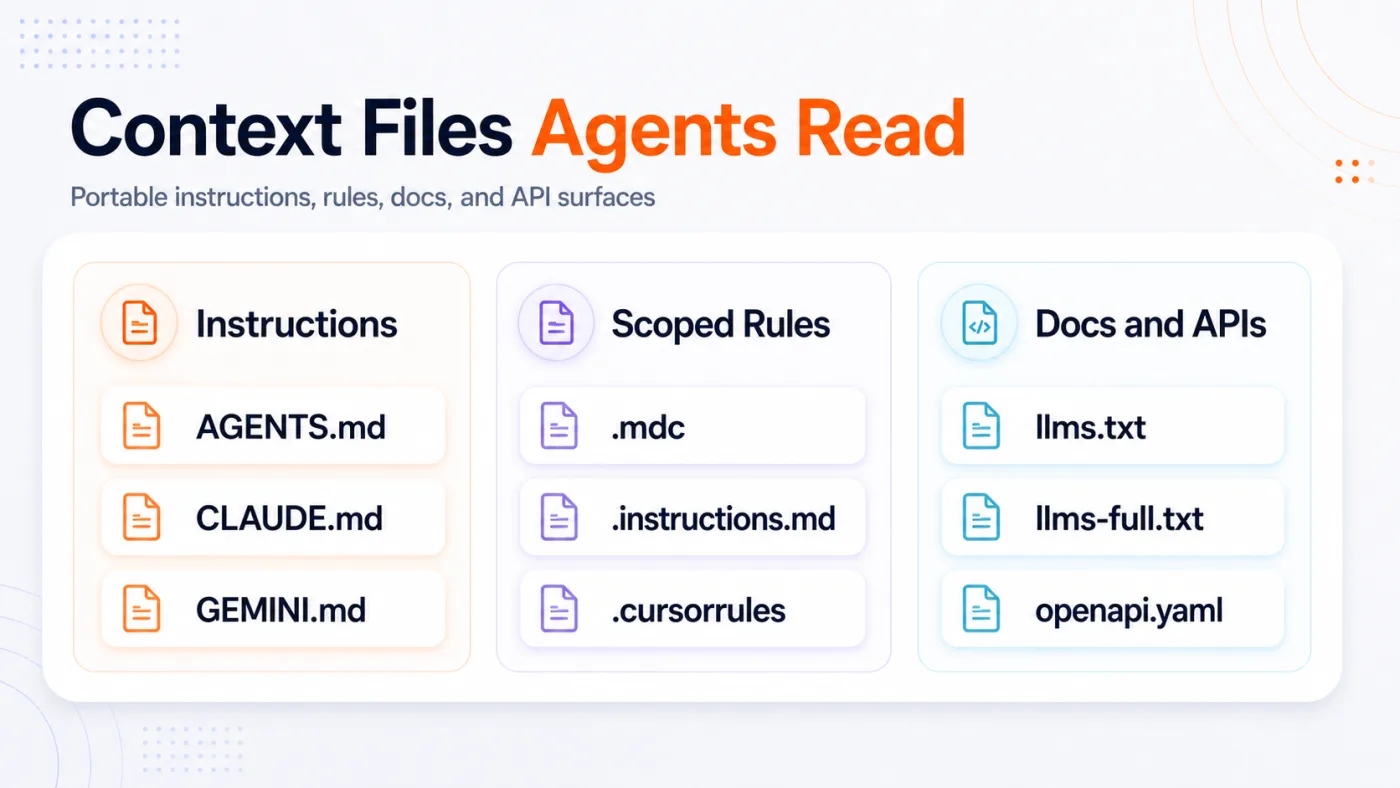
Fig 10 – How agent context files are organized
The convergence spans 3 categories:
- Instructions across tools – AGENTS.md is now a common format for agent instructions across tools. OpenAI created it for Codex in August 2025, then transferred stewardship to the Linux Foundation’s Agentic AI Foundation for neutral governance in December 2025. AGENTS.md has been adopted by more than 60,000 open source projects. The AGENTS.md project lists support across Codex, Cursor, GitHub Copilot, Gemini CLI, VS Code, Windsurf, and other coding agents. Some tools maintain their own formats alongside it, with CLAUDE.md for Claude Code and GEMINI.md for Gemini CLI. Anthropic documents using
CLAUDE.md to import AGENTS.md when teams want one shared instruction source. All follow the same convention of markdown content plus optional YAML frontmatter.
- Scoped rule files – Cursor’s
.cursor/rules/.mdc uses YAML frontmatter with alwaysApply, description, and globs fields to activate rules only when relevant files are open. GitHub Copilot and VS Code work the same way. Files at .github/copilot-instructions.md cover the whole repository, and files at .github/instructions/.instructions.md with an applyTo glob cover specific paths.
- Documentation and API surfaces – The
llms.txt convention places a curated navigational index at the site root, with an optional llms-full.txt that concatenates full docs into one bundle ready for ingestion. Anthropic, Cloudflare, Vercel, Stripe, and Hugging Face publish both. React publishes one at react.dev/llms.txt. More than 2,000 production sites publish an llms.txt as of early 2026. On the API side, an openapi.yaml or openapi.json spec is now a common way an agent learns to call an API, either directly through toolkits like LangChain’s OpenAPIToolkit and Google’s Agent Development Kit, or converted at build time into Model Context Protocol tools.
Standards are emerging alongside the conventions. Google’s Open Knowledge Format defines a portable structure for knowledge as directories of markdown files with YAML frontmatter, using conventions like SPEC.md, index.md, and log.md. Anthropic’s Claude Skills use SKILL.md for reusable task instructions. The underlying philosophical case for files as substrate came from Andrej Karpathy’s LLM-wiki gist in April 2026, which argued that LLMs handle the maintenance work at essentially zero marginal cost.
The common thread is durability. Files carry properties that outlast the tools reading them today. They are portable across vendors, tracked through git, transparent in their change history, and readable by both humans and agents.
Files outlive tools.
Files hold what the organization approves as truth. Agent memory is a running record of what the agent has picked up during its work, including customer conversations, workflow state, decisions from yesterday’s task… Both feed the agent’s context at query time, and both need governance. The governance rules diverge, and that divergence is where agent programs most often confuse authority with observation.
Agent Memory, Authority, and the Audit Trail
Most vendor tooling treats an enterprise AI knowledge base and agent memory as the same thing. That treatment causes specific production failures. The two hold different kinds of content, update through different processes, and need different rules for how the agent reads from them.
An enterprise AI knowledge base holds what the organization has approved as durable truth. When a policy document changes, the change moves through an explicit approval workflow, and the record captures who approved it and when.
Agent memory holds what the agent has observed during its work. When an agent handles a customer conversation, everything the agent picks up from that conversation flows into memory automatically, with no approval step in between.
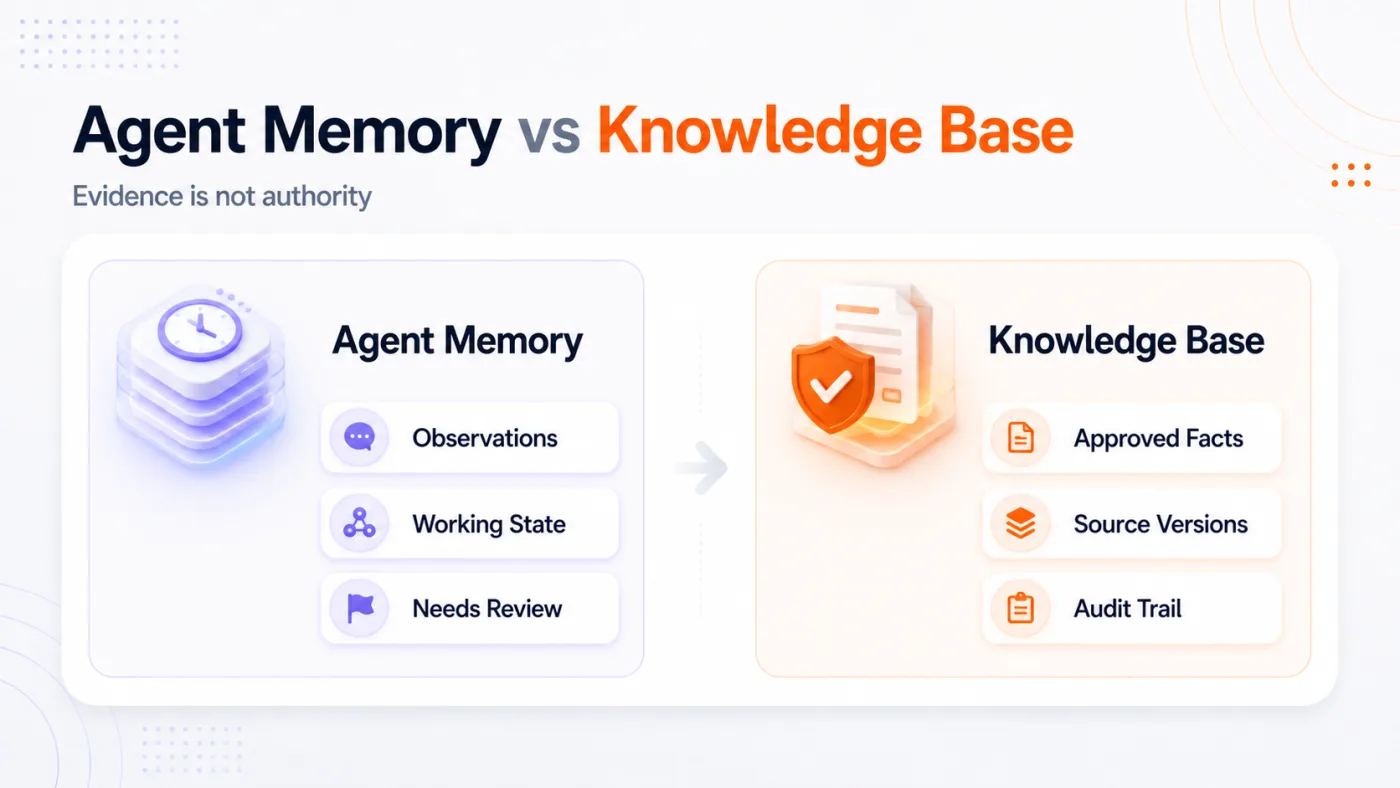
Fig 11 – Agent memory and the knowledge base serve different roles
The failure mode arrives when a team treats agent memory as authoritative. Every error the agent makes becomes fact for the next session that reads that memory. Every subsequent decision inherits the error, and no reviewer can trace the original mistake back to a source because the source became the agent.
Three governance controls address the failure:
- Evidence over authority – Agent memory captures observations. Only the knowledge base captures approved facts, and only KB entries carry organizational weight when the agent acts on them.
- Superseding corrections – Corrections come as new records with links back to the earlier version. Deleting or overwriting an earlier record would destroy the audit trail. Every wrong observation stays visible in the history alongside its correction.
- Provenance on every retrieval – Every fact the agent uses in a response or action carries the source, version, and approval status back to a document a reviewer can inspect. If the agent cannot answer where a fact came from, the retrieval failed governance regardless of whether the answer was right.
The audit trail is the KB’s contract with the organization.
Enterprise buyers increasingly ask who monitors AI agents, how the monitoring works, and whether decisions are traceable back to source records. Governance carries commercial weight now.
This governance work costs real time and money. Whether the enterprise can sustain it comes down to operational readiness, and that readiness gets decided before the build starts.
Operational Readiness Before You Build
Building the knowledge base takes more than understanding why it matters. It takes operational readiness.
Operational readiness is 5 questions to answer before the first line of code.
- Do we know how the KB fits in our AI system? The team has mapped which components read from the KB, which write to it, and where governance runs across them.
- Have we identified the canonical source for each class of fact the agent will read? One specific system is designated as authoritative for each core fact class.
- Have we audited permissions on those sources? The team knows the current permission state of every source the agents will read, and has cleaned up the debt before rollout.
- Is our documentation in a state an agent can actually use? Documentation is structured, current, and clean enough for retrieval to return useful results.
- Can we trace any agent decision back to a source document a reviewer can open? Every agent decision traces back through KB retrieval to a source document with a version and approval record. Response logging alone does not answer this.
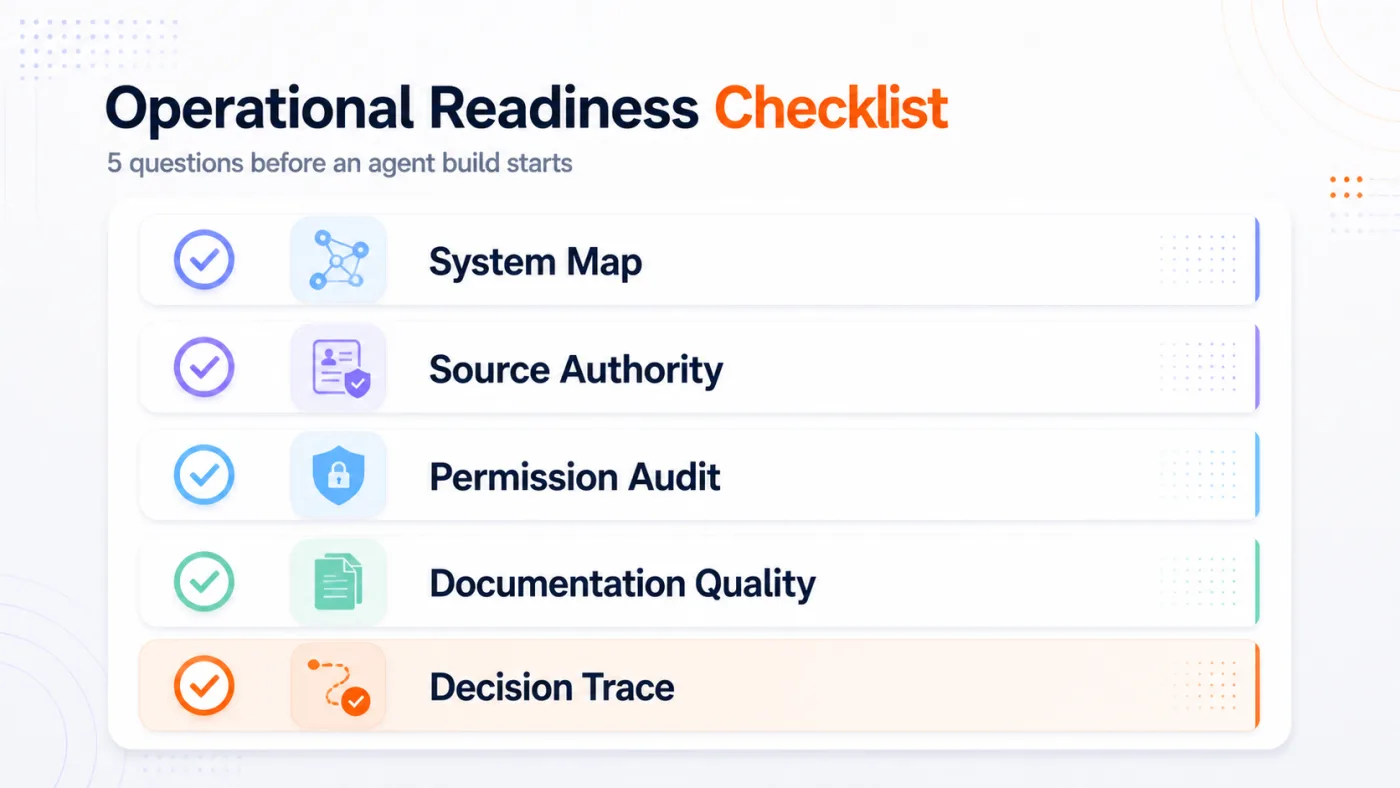
Fig 12 – Five questions to answer before the build
The enterprise programs that ship successful agent systems treat these 5 questions as the gate that decides whether the build starts at all. Skipping the gate leads to governance debt, retracted deployments, and agent systems that never make it past pilot.
Build the knowledge layer before the agent
Clixlogix helps enterprise teams design AI systems that can read the right sources, respect permissions, preserve provenance, and act inside existing workflows. If the next agentic AI project depends on company knowledge, start with the architecture that makes that knowledge usable.
Talk to Clixlogix about AI software application development