TL;DR
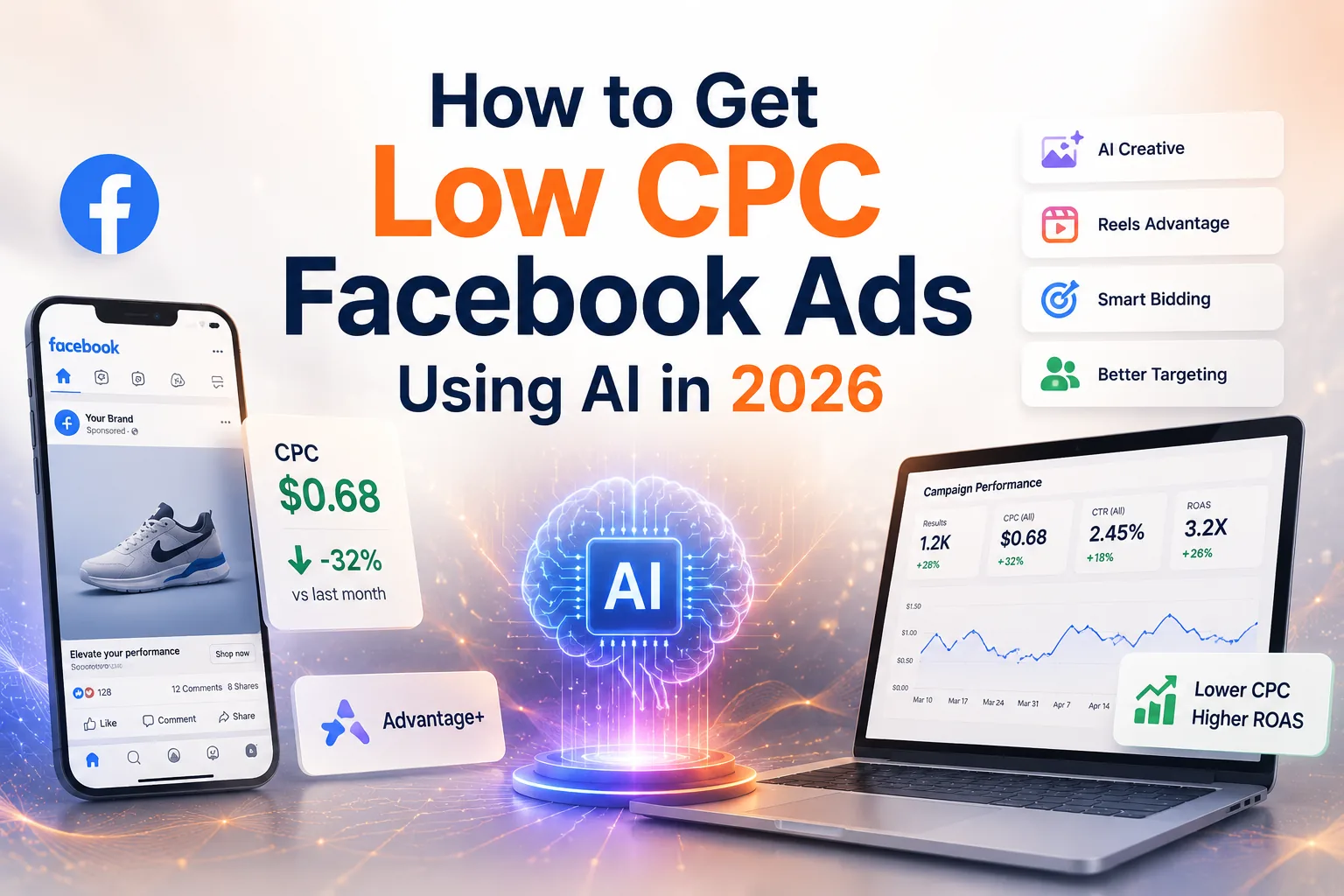
Facebook ad CPCs are up 11% year over year. But advertisers who use AI the right way are paying 30-50% less than their competitors. Here is what works right now.
- Advantage+ campaigns cut CPA by 32% and CPC by 28% compared to manual setups
- AI generated creative gets 18% higher click through rates, which directly lowers your CPC
- Reels placement costs 26% less per click than Facebook Feed ($1.28 vs $1.72)
- Phased AI bidding (Lowest Cost, Cost Cap, Target Cost) reduces CPA by 15-25%
- Conversions API + offline data improves ROAS by 50% for businesses with in store sales
- Fast landing pages prevent the 20-30% CPC penalty Meta charges for slow destinations
- AI powered creative refresh every 2-3 weeks stops fatigue before CTR drops 30%+
The average Facebook ad CPC in 2026 is $1.72. That is 11% higher than last year.
If that number stings, you are not alone. We hear it from almost every business that walks through our door.
Rising auction density, more advertisers jumping into Advantage+ campaigns, and AI powered bidding have all pushed costs up across the board, according to 2026 industry benchmark data. Legal services are paying over $4 per click. Finance is close to $3.77. Even food and beverage, usually one of the cheapest verticals, has seen costs climb.
But here is what caught our attention when we looked at the data across client accounts. Some advertisers are paying 30-50% less than their direct competitors in the same industries, targeting similar audiences, selling comparable products.
The gap is not the budget. The gap is how AI is being used.
And we are not talking about some futuristic concept here. We are talking about tools that already exist inside Meta Ads Manager, plus a few AI powered marketing automation techniques that produce real, measurable CPC reductions when applied correctly.
We put this guide together to walk you through the seven methods that actually work, we will try our best to answer ‘how to get low CPC Facebook ads’. Every stat is sourced, every tactic is something we have tested or seen tested, and we will tell you which ones matter most based on your type of business.
Why Facebook Ad Costs Keep Climbing (And Why AI Is the Only Real Fix)
Let us start with the numbers. Meta reported $56.31 billion in Q1 2026 revenue, up 33% from the same quarter last year. Ad impressions grew 19%. The average price per ad went up 12%.
That is a lot more advertisers competing for the same eyeballs. And that competition is exactly why your CPC keeps creeping up, even when your ads are performing well.
The platform now serves 3.56 billion daily active people across Facebook, Instagram, WhatsApp, and Messenger. Eight million advertisers are actively using Meta’s AI tools. Over 4 million are running Advantage+ campaigns. The playing field got a lot more crowded in 2026.
But here is the thing most people miss about CPC math, and it is the reason this guide exists.
Doubling your click through rate roughly halves your CPC.
That is not theory. That is how Meta’s auction actually works. The algorithm rewards engagement. When more people click your ad, Meta charges you less per click. The brands that ship 15+ fresh creative concepts every month and keep testing consistently run CPCs that are 30-50% lower than competitors running stale ads.
AI is what makes that kind of testing volume possible. Not by replacing your judgment, but by handling the parts that used to eat up your team’s entire week. That work includes generating variations, analyzing performance, shifting budget to winners, and killing losers before they drain your account.
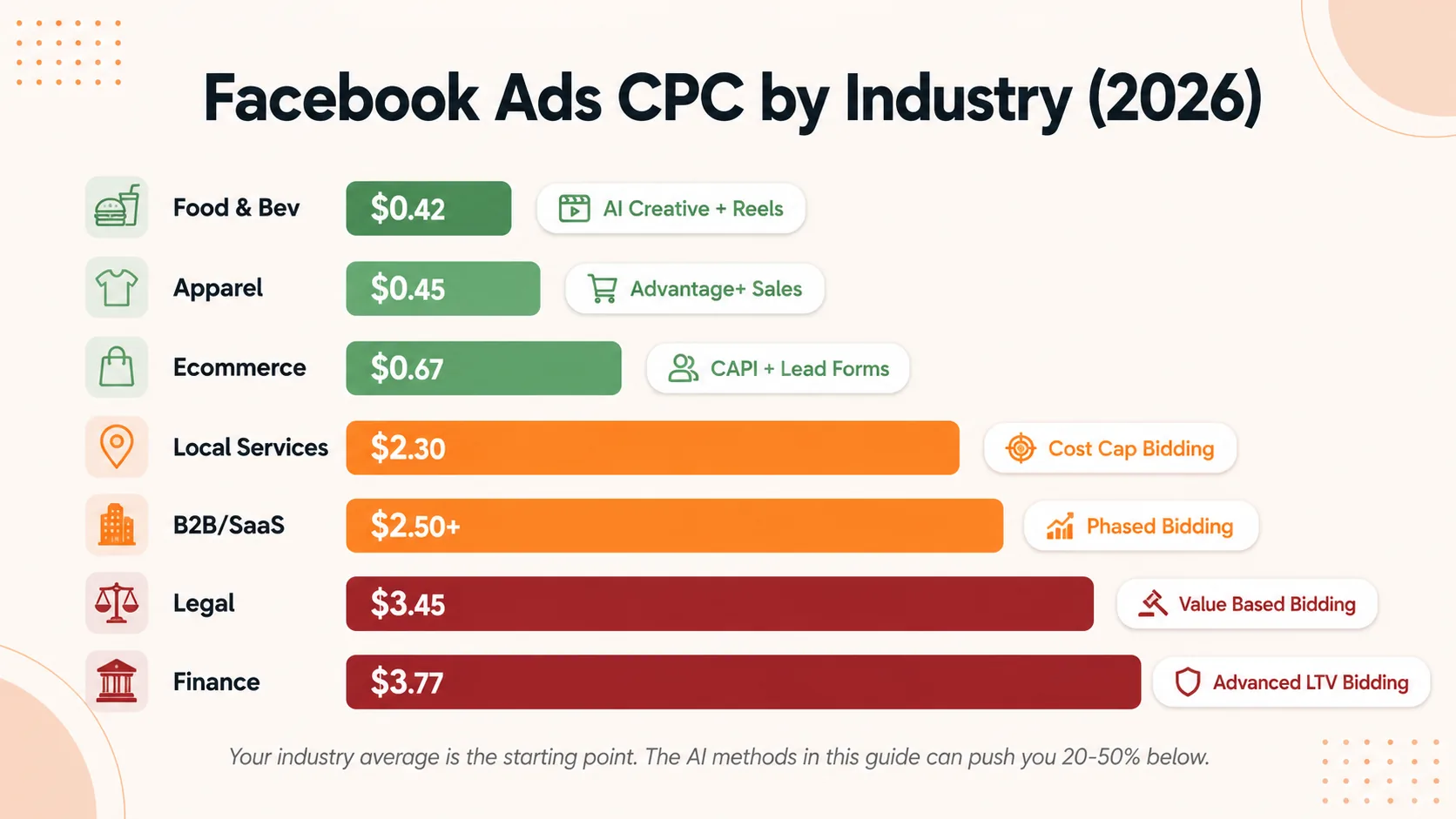
Fig 2 – High CPC does not mean bad ROI. A $3.77 click in finance can generate a lead worth $5,000. Measure CPC against your customer lifetime value.
How Meta’s AI Engine Actually Decides Who Sees Your Ads
Before we get into the tactics, you need to understand what changed under the hood. Because if you are running Facebook ads the same way you did two years ago, you are paying a hidden tax without even realizing it.
Meta’s ad delivery now runs on two AI systems called Andromeda and GEM. Together, they completely changed how ads get selected, ranked, and shown to users.
Andromeda is the retrieval engine. Every time someone opens Facebook or Instagram, Andromeda scans millions of active ads and picks roughly 1,000 candidates for that specific user. And here is the part that surprised us. It makes this decision based on your creative, not your targeting settings. It uses computer vision and audio analysis to evaluate what your ad looks like, sounds like, and says.
There is a trap here that catches a lot of advertisers. Andromeda assigns each ad an “Entity ID” based on its visual signature. If you upload 30 ads that look too similar (same background, same layout, same model), they all get the same Entity ID. In Andromeda’s eyes, you have one ad. One ticket to enter the auction. The other 29 sit on the bench and never get shown.
GEM (Generative Ad Model) is the ranking brain. Once Andromeda picks the top 1,000 candidates, GEM decides which ones actually appear. Meta’s own data shows GEM is 4x more efficient at driving performance gains than their original models, and it improved ad conversions on Reels by 5% in its first quarter.
So what does all this mean for you in plain terms?
Broad targeting now beats interest stacks. Creative diversity matters more than audience micro targeting. And simplified campaign structures win because they give the AI more data to learn from, faster.
Over 1 million advertisers created 15 million+ ads using Meta’s AI tools in a single month. The old playbook of manually picking 47 interest groups and praying is becoming less effective with every algorithm update. We see it in our client accounts. The ones who trust the AI with targeting and focus their energy on creative quality consistently outperform the ones who spend hours tweaking audiences.
7 AI Methods That Actually Lower Your Facebook CPC
Enough background. Here are the seven methods we use with our clients to get the lowest possible CPC from facebook ads AI in 2026. Each one is backed by data, and we will tell you which type of business benefits most.
1. Switch to Advantage+ Campaigns (and Stop Fighting the Algorithm)
We will be honest. When Advantage+ first launched, we were skeptical. Handing targeting control to an algorithm felt wrong after years of building custom audiences by hand.
Then we saw the numbers.
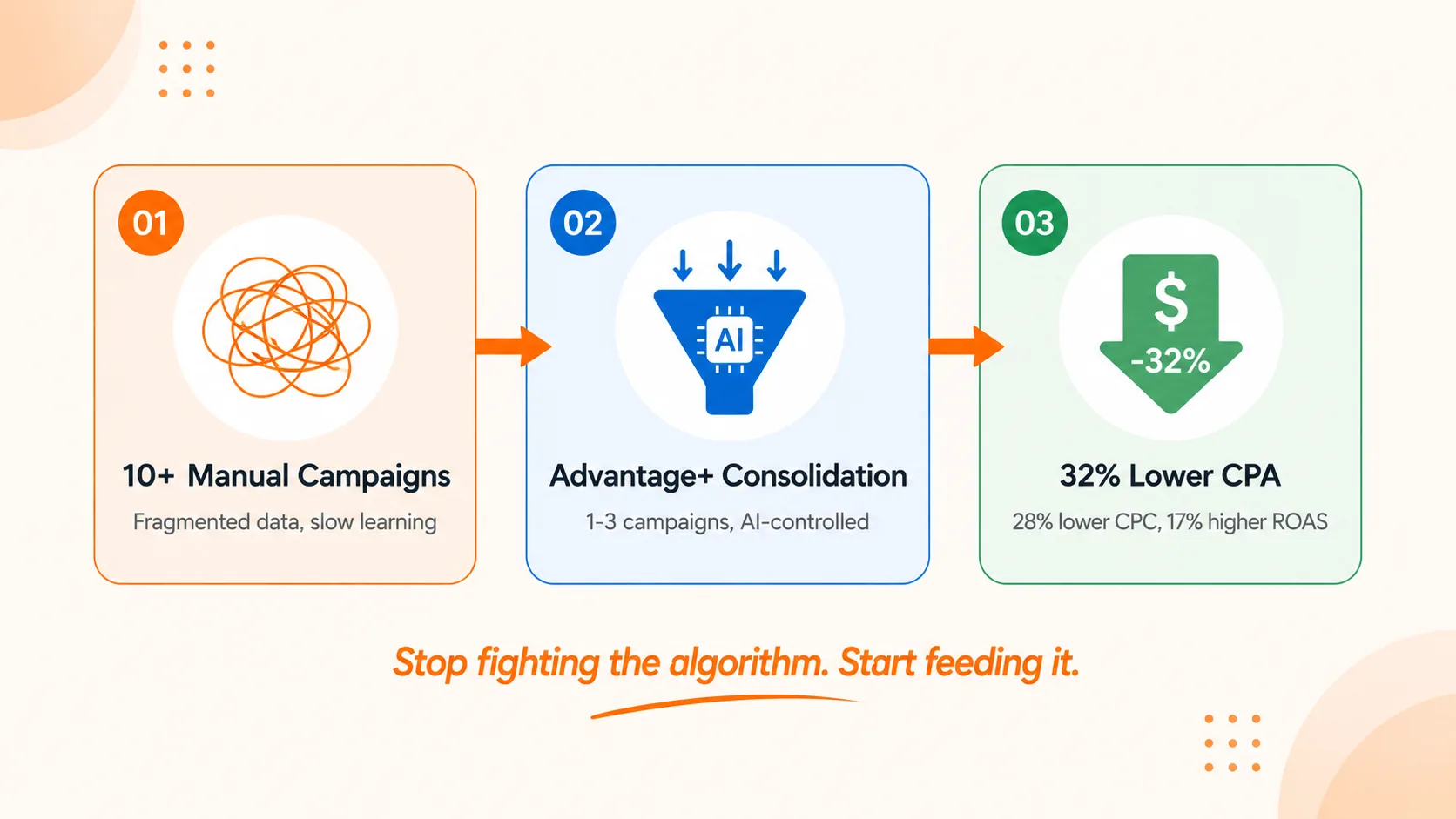
Fig 3 – Advantage+ campaigns consolidate your data into fewer, smarter campaigns. The AI learns faster with bigger budget pools.
Advantage+ Shopping campaigns (now renamed Advantage+ Sales in 2026) deliver 32% lower CPA than manually configured campaigns. They produce a 28% lower cost per click for lead and landing page view objectives. And they generate 17% higher ROAS than manual audience targeting. Meta’s own data backs this up, showing a 13% lower median cost per catalog sale and a 7% lower cost per website conversion on top of the CPC savings.
The reason comes down to data pooling. When you consolidate from 10+ campaigns into 1-3 core campaigns, each one has a much bigger data pool. The AI learns faster. Budget gets allocated to whatever is converting, automatically, in real time. You stop splitting your signal across a dozen ad sets where none of them have enough conversions to exit the learning phase properly.
By 2025, Advantage+ already represented 62% of all ecommerce conversion spend, up from just 34% in 2024. That is not a trend. That is the new default. And the advertisers still running complex manual structures are paying more for the privilege of fighting the algorithm.
Best fit is ecommerce brands (Advantage+ Sales), service businesses running lead campaigns, and local businesses with geo targeted objectives. If you sell products online and are not running this yet, that is likely where your extra CPC costs are hiding.
Free campaign audit
Still running 10+ campaigns with micro segmented audiences? That structure made sense in 2021. In 2026, it fragments your data and slows the algorithm down. Our team restructures Meta ad accounts for AI first performance. We can show you the gap in a free campaign audit.
2. Let AI Generate Your Ad Creative (This Is Not Optional Anymore)
We put this second on the list but honestly, it might deserve the top spot. Here is why.
AI generated ad creative outperforms human designed creative by 18% on click through rate, according to 2026 benchmark data across thousands of campaigns.
Eighteen percent. Sit with that for a second.
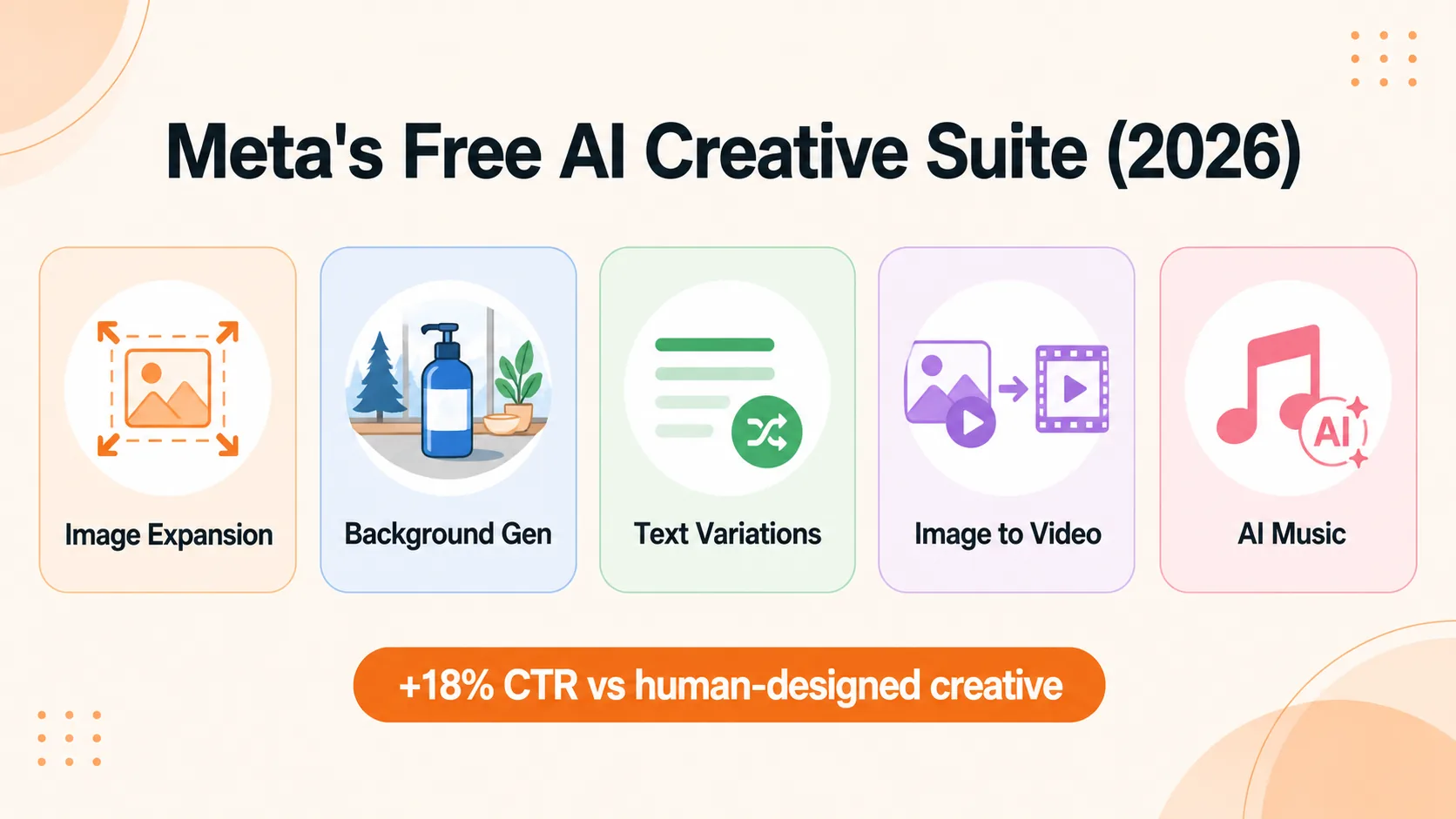
Fig 4 – All five tools are free inside Ads Manager. They are enabled by default on every new campaign as of 2026.
Think back to the CPC math from earlier. Higher CTR means lower CPC. An 18% CTR improvement translates directly into meaningful CPC savings, without changing your targeting, your budget, or your landing page. You just pay less per click because more people are clicking.
Meta has built a full suite of free AI creative tools directly into Ads Manager. Here is what you can use right now without paying a cent.
- Image expansion auto resizes your creative for Feed, Stories, and Reels placements
- Background generation places product shots into lifestyle settings without a photoshoot
- Text variations test different headlines, descriptions, and primary text automatically
- Image to video conversion turns up to 20 product photos into multi scene video ads
- AI generated music matched to the emotional tone of your creative (new for 2026)
Advantage+ Creative is now enabled by default on all new campaigns, and advertisers using it see 22% higher ROAS. Meta’s newest generative model, Muse Image, is rolling into Advantage+ Creative in Q3 2026 with even stronger capabilities.
Beyond Meta’s built in tools, there are also third party AI creative platforms that generate conversion scored ad images, auto size creative for all Meta placements, and produce short form video for Reels and Stories using AI. We use a combination of both in our workflow, and the speed difference is night and day compared to manual creative production.
Best fit is food and beverage, fashion, fitness, and beauty brands because these are visual heavy verticals where Reels native creative drives the biggest CTR gains. B2B brands should lean more on AI text variations than image generation.
3. Prioritize Reels Placement (The CPC Discount Window Is Still Open)
This one is almost too straightforward to be interesting. But the data is hard to ignore.
Instagram Reels CPC is $1.28 versus $1.72 for Facebook Feed. That is a 26% discount. Reels CPMs run $10-12 versus roughly $16 for Feed.
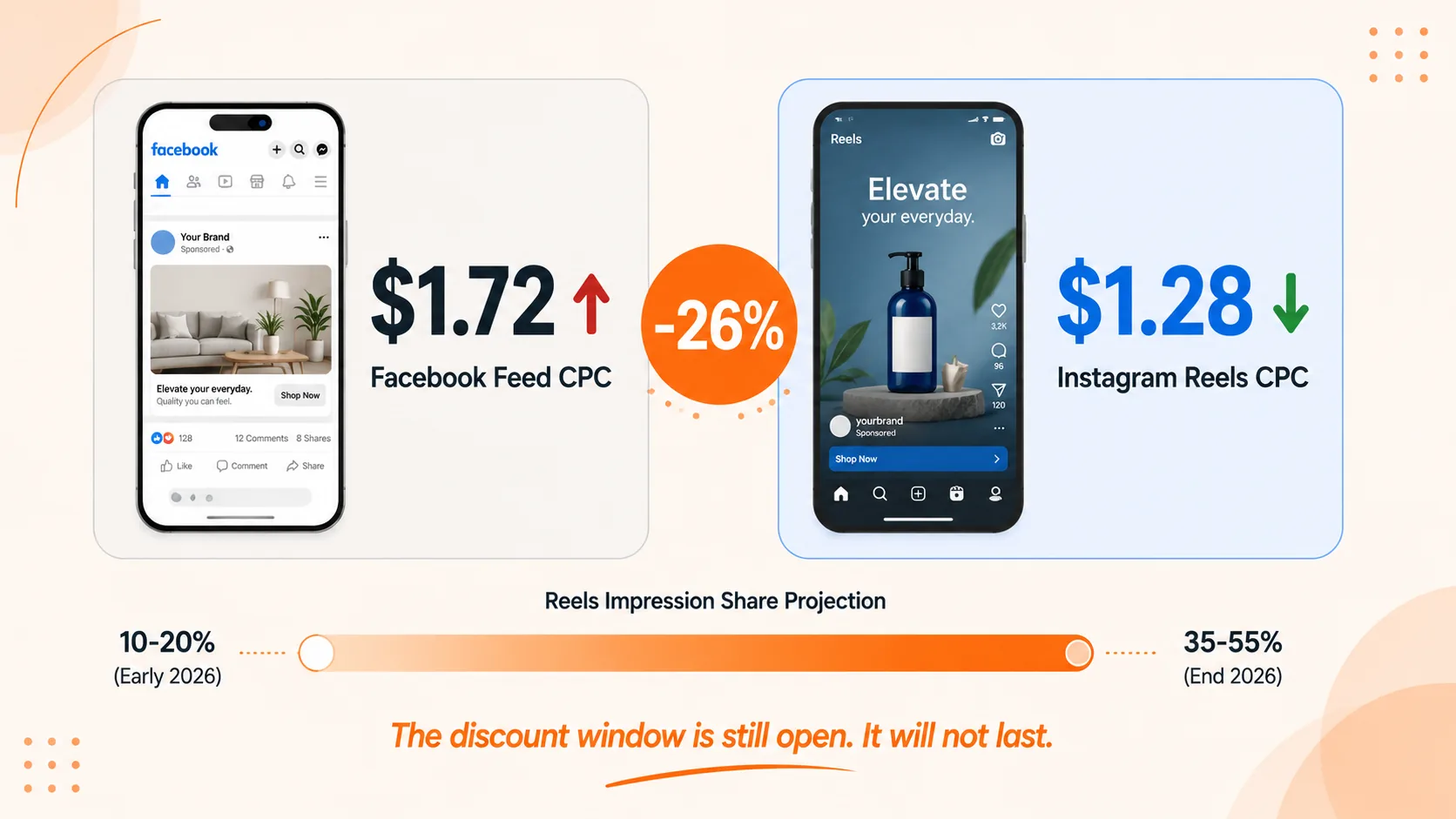
Fig 5 – Reels inventory is growing faster than advertiser demand. That pricing gap is your opportunity.
Why? Reels inventory is expanding faster than advertiser demand. Industry benchmark analysis projects Reels placements will hit 35-55% of total impressions by the end of 2026, up from just 10-20% at the start of the year. There is still a pricing gap between supply and demand here, and the advertisers who are filling that gap are getting rewarded with cheaper clicks.
The practical move. Leave Advantage+ placement optimization on and let Meta’s algorithm find the cheapest conversions across placements. But if you are creating custom campaigns, put more creative budget toward short form vertical video designed for Reels from the start. Not repurposed Feed content cropped to 9:16.
Best fit is food, fashion, fitness, beauty, and lifestyle brands where short form video content performs naturally. Less suited for B2B, legal, and finance where the content style does not fit Reels format.
4. Use the Phased AI Bidding Strategy (Stop Leaving Money on the Table)
Most advertisers pick one bidding strategy and leave it there forever. And that choice is costing them real money they do not even see.
The data on this is stark. Choosing the wrong bid strategy can inflate your CPA by 40-80%. Choosing the right one and staging it properly reduces CPA by 30-60% within 90 days.
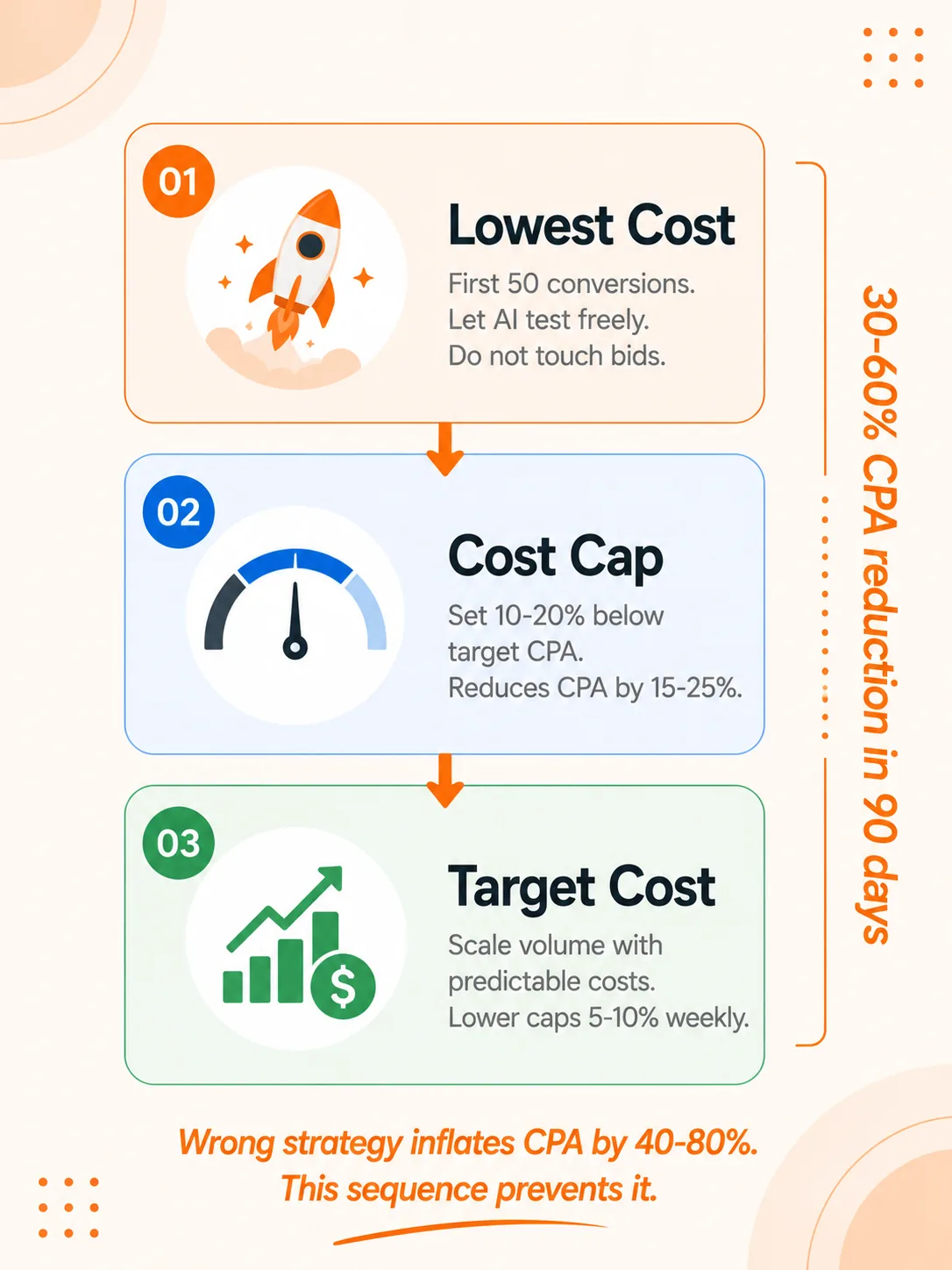
Fig 6 – Phase the bidding. Do not set it and forget it. This sequence gives Meta’s algorithm time to learn before you add cost constraints.
Here is the three phase approach that we walk our clients through.
Phase 1 (Learning). Start with Lowest Cost bidding for the first 50 conversion events. Let the algorithm test your audience without cost constraints. Do not touch the bids during this phase. Seriously. We know it is hard to watch, but this is where the AI builds the foundation.
Phase 2 (Optimization). Once you have baseline data, switch to Cost Cap. Set it 10-20% below your target CPA. This pushes the algorithm toward efficient conversions while still maintaining volume. Cost Cap typically reduces CPA by 15-25% for established campaigns.
Phase 3 (Scaling). Move to Target Cost for stable, high volume campaigns. This keeps your CPA predictable as you increase budget. Lower cost caps by 5-10% weekly if performance holds.
Best fit for this phased approach is every vertical, and it matters most for high CPC industries like legal ($3.45+ per click), finance ($3.77 per click), and SaaS ($2.50+) where the overspending risk per click is highest.
5. Feed the Algorithm Better Data (Conversions API + Offline Events)
This is the one that every business knows they should be doing but keeps putting off. And we get it. Setting up server side tracking is not as exciting as launching a new ad. But the difference it makes is hard to overstate.
Businesses that share detailed conversion value data with Meta see 50% better long term ROAS compared to those using basic pixel tracking alone. Fifty percent. From a single data integration.
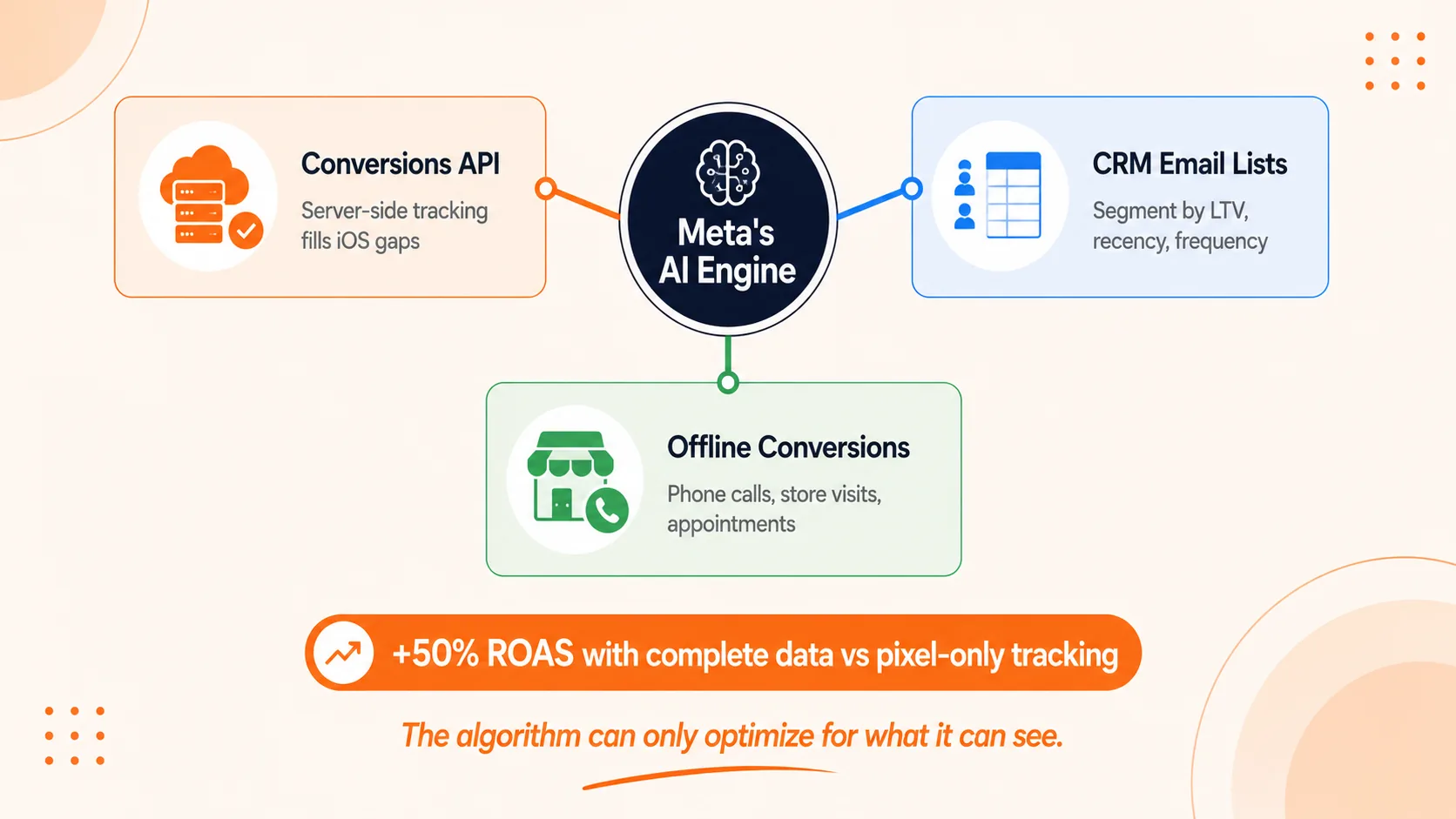
Fig 7 – Most businesses run ads with incomplete data. Connecting these three sources gives the algorithm the full picture.
Here is what better data actually looks like in practice.
- Set up Conversions API (CAPI) alongside your browser pixel. With iOS privacy changes still limiting cookie based tracking, server side data fills the gaps the pixel misses. If you are running ads without CAPI in 2026, your attribution is partial and your optimization is working with incomplete information.
- Upload customer email lists segmented by lifecycle stage. High LTV customers, repeat buyers, past 30 day purchasers, lapsed customers. Each segment creates different lookalike audiences with different cost profiles. Lookalike audiences built from CRM data outperform demographic targeting by 30-50% on cost efficiency.
- Send offline conversion data back to Meta. If someone clicked your ad and then booked an appointment by phone or walked into your store, Meta needs to know that. Without this feedback loop, the algorithm optimizes for clicks, not customers. That is a very expensive mistake.
Best fit is local services, restaurants, dental practices, and any business where conversions happen offline or over the phone. If you have a CRM full of customer data that is not connected to Meta, you are leaving the single biggest optimization lever untouched.
6. Fix Your Landing Pages Before You Touch Your Ads
We see this so often it is almost predictable at this point. A business comes to us frustrated about high CPCs. We pull up their ad data and the CTR looks fine. The problem is not the ads.
The problem is what happens after the click.
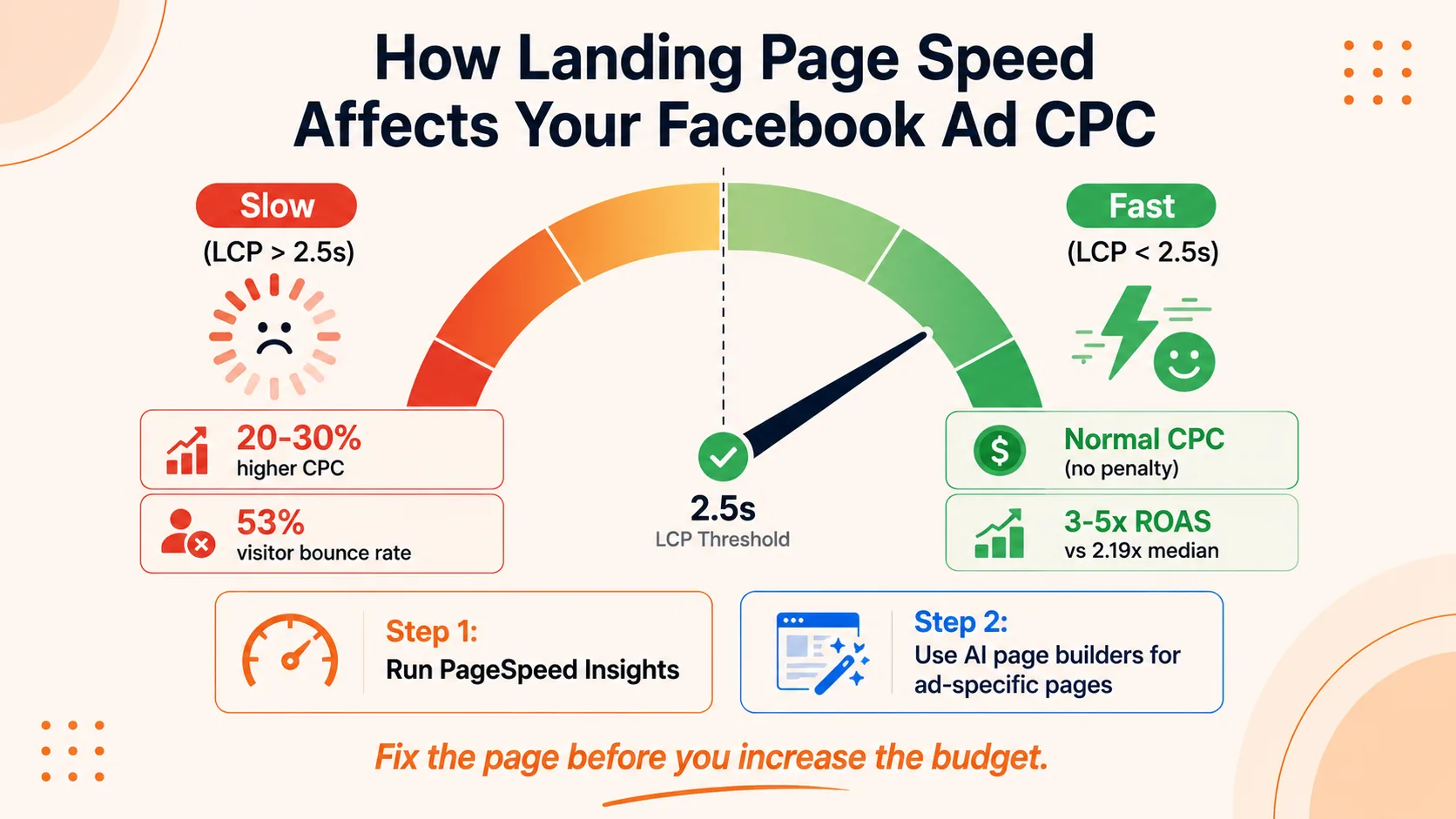
Fig 8 – Meta penalizes slow pages with higher CPCs. This is the most overlooked cost leak in paid social.
Meta penalizes ads that send traffic to slow loading destinations. Pages that fail Core Web Vitals (LCP above 2.5 seconds) see CPCs that are 20-30% higher than ads pointing to fast pages. And 53% of visitors bounce from pages that take longer than three seconds to load. So you are paying a premium for clicks that never even see your offer.
The fix comes in two parts.
- Speed. Run your landing page through Google PageSpeed Insights. If your LCP is above 2.5 seconds, fix it before spending another dollar on ads. Compress images, cut third party scripts, and make sure your hosting handles traffic spikes from ad campaigns.
- Conversion optimization. AI powered landing page builders can create dedicated ad landing pages in minutes, auto route visitors to the highest converting variant, and test headlines, layouts, and CTAs without manual A/B setup. The performance difference between a generic homepage and an optimized ad landing page is often 2-3x on conversion rate.
Optimized landing pages consistently deliver 3-5x ROAS versus the 2.19x median across all advertisers. Same ad spend, dramatically different results.
One note for service businesses. Facebook’s built in lead gen forms convert 2.5-4x higher than landing pages on volume. But landing page leads convert to sales qualified leads at 40-55% versus 25-40% for form leads. Choose based on whether you need volume or quality. We help our clients test both and measure downstream at the sales qualified lead stage.
Best fit is any business running traffic to a website. Ecommerce sees the biggest impact because page speed directly affects cart completion, and lead gen businesses gain the most because message alignment between ad and landing page determines lead quality.
Landing page check
Your ads might be fine. Your landing page might be the bottleneck. We audit landing page speed, conversion flow, and message alignment as part of every Meta Ads engagement. If your CPC is high but your CTR looks healthy, the page is usually where the leak is. Let us take a look.
7. Refresh Creative Before It Fatigues (AI Makes This Possible at Scale)
Creative fatigue is now the number one performance variable on Meta. Not targeting. Not bidding. Not budget. How often you refresh your creative has more impact on sustained CPC performance than any other single optimization.
The numbers are clear. Refresh when frequency hits 4.0 or when CTR drops more than 30% from its peak, whichever comes first. In practice, that means most advertisers should be putting out new creative every 2-3 weeks.
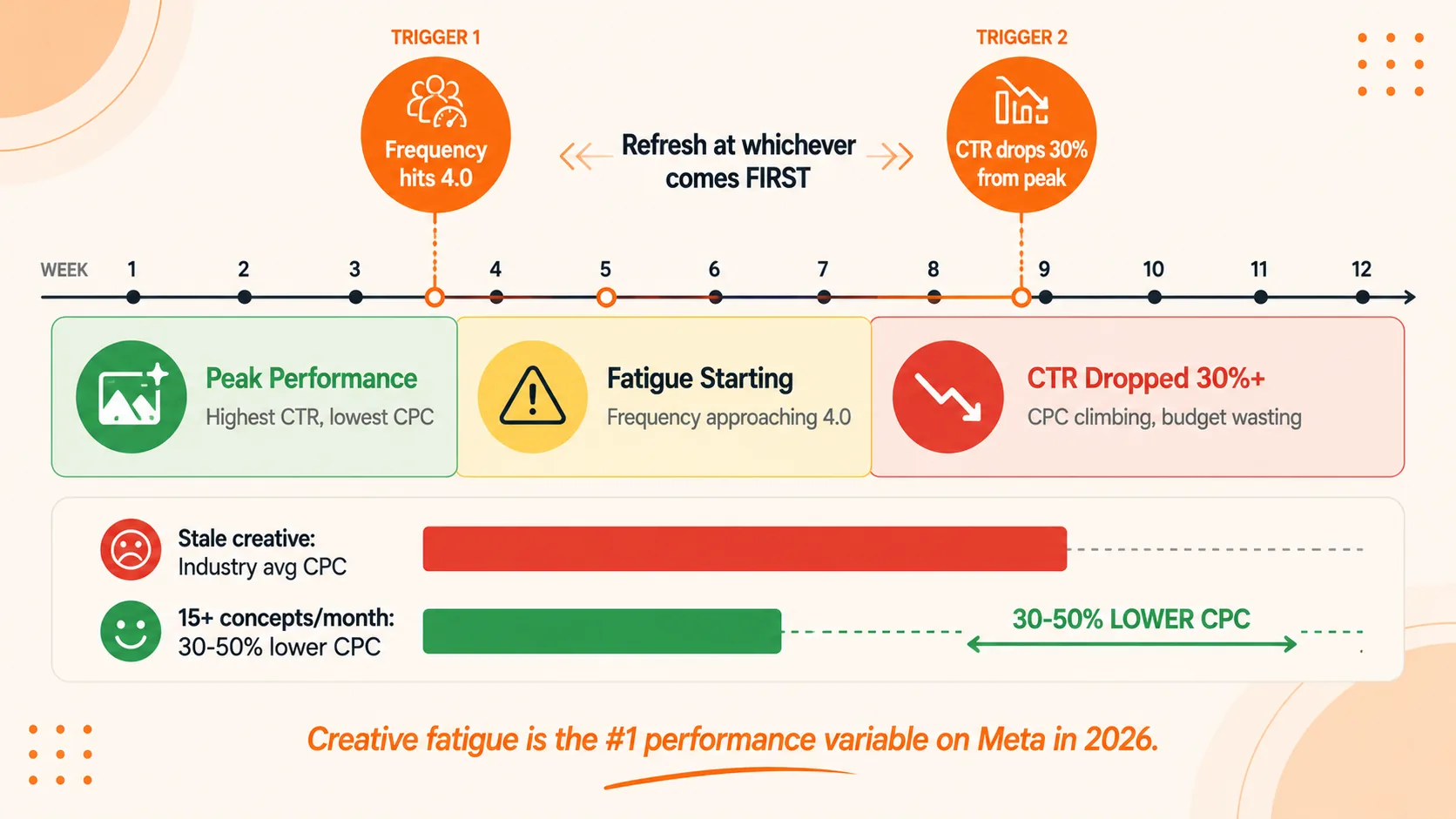
Fig 9 – Do not wait for performance to tank. Proactive refresh every 2-3 weeks keeps CPCs down and the algorithm happy.
That sounds brutal. And it would be, if you were doing it manually. But with Meta’s AI creative suite and the kind of production workflows we run for our clients, you can generate dozens of on brand variations in an afternoon. Test them. Scale the winners. Cut the losers. Repeat.
The advertisers who keep this cadence running have CPCs 30-50% below their competitors. The ones who let the same three ads run for two months are the ones asking why their costs keep climbing. We have seen that story play out hundreds of times at this point, and it is always the same.
Best fit is every vertical. Ecommerce brands heading into Q4 should front load creative testing in Q1 and Q2 so you have a library of proven winners for the holiday season, when CPCs spike 30-35% and CPMs surge 25-66%.
What These Numbers Look Like Across Different Industries
Not every business pays the same CPC, and not every AI tactic hits the same across verticals. Here is a quick reference so you can see where your industry sits and which methods from this guide apply most to your situation. Data is from Meta’s Q1 2026 earnings, WordStream benchmarks, and Triple Whale’s 35,000+ ecommerce account dataset.
| Industry | Avg CPC | Best AI Tactic | Why It Works |
|---|
| Food & Beverage | $0.42-$0.52 | AI Creative + Reels | Visual vertical. Short form video drives highest engagement. Lowest CPC tier. |
| Apparel / Fashion | $0.45 | Advantage+ Sales + Reels | Catalog ads and Reels placement give the lowest CPA in ecommerce. |
| Ecommerce (General) | $0.67-$0.87 | Advantage+ Sales + DPAs | Dynamic product ads achieve $9.20 CPA versus $18.40 for standard campaigns. |
| Local Services | $2.08-$2.30 | CAPI + Offline Events + Lead Forms | 30-50% lower costs with AI. Offline data feedback is the biggest lever. |
| B2B / SaaS | $2.50+ | Cost Cap Bidding + AI Text Variations | Smallest audience pools. Bidding control prevents overspend. |
| Legal Services | $3.45-$4.10 | Phased Bidding + Landing Page Speed | High CPC but $500+ LTV per client. Bidding precision matters most. |
| Finance / Insurance | $3.77 | Phased Bidding + CRM Lookalikes | Highest CPC tier. One mortgage lead can be worth $5,000. |
What We Tell Our Clients About Facebook Ads and AI Right Now
We have managed enough Meta ad accounts at this point to know what the biggest mistake looks like. It is over complication. Businesses come to us with 15 campaigns, 40 ad sets, a spreadsheet full of interest groups, and CPC numbers that make them wince. The fix is almost always the same. Simplify, automate, and focus your energy on the inputs that actually move the needle.
The advertisers getting the lowest CPCs in 2026 are the ones who simplified their campaign structures, gave the AI room to work, and shifted their effort from manual bid tweaking to creative quality and data quality.
The algorithm is better at finding your buyers than you are at guessing who they are. That is a hard thing to accept when you have spent years building custom audiences. But the data is overwhelming at this point. And the businesses that accepted it early are the ones saving 20-40% on every click.
Our advice to every business. Consolidate your campaigns, invest in creative volume, connect your offline data, fix your landing pages, and let AI handle the bid optimization. That combination consistently delivers CPCs well below industry averages. And that is the difference between a Facebook ads budget that feels like a money pit and one that actually drives profitable growth. If you want to see what that looks like for your business specifically, we would love to show you.
Your Facebook Ad Costs Do Not Have to Keep Climbing
We run Meta ad campaigns for ecommerce, SaaS, local services, and professional services businesses using every method in this guide. Campaign restructuring, AI creative production, bidding strategy, CAPI setup, landing page optimization, and ongoing creative refresh. All of it, managed.
If your CPC is higher than your industry benchmark, or if you are spending hours manually tweaking campaigns that the algorithm could handle better, we should talk.
Book a Free Facebook Ads Audit