Internal linking is one of the highest leverage and most underused parts of technical SEO. Every internal link tells Google which pages on a site connect, which ones matter, and how authority should flow between them. A site can publish strong content and still underperform in search when its internal links leave key pages isolated or buried several clicks from the homepage.
This guide explains how internal linking works in 2026, how to analyze the internal link structure of a site, the practices that improve crawling and rankings, and the mistakes that quietly hold pages back.
What Internal Linking Is
An internal link points from one page on a domain to another page on the same domain. Navigation menus, breadcrumb trails, contextual links inside body content, footer links, and related content modules are all internal links. They differ from external links, which point to a different domain, and from backlinks, which are links other websites point at a site.
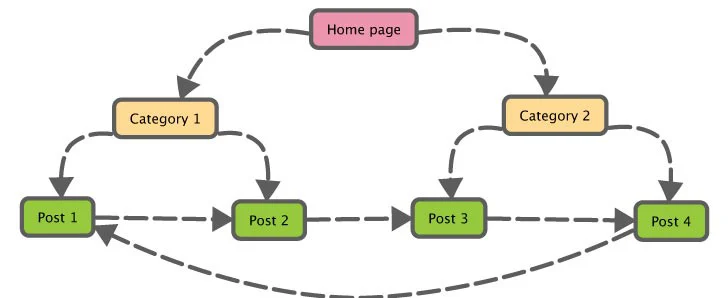
Internal links connect the pages of a single website into one navigable structure.
Internal links do 3 jobs. They help visitors move between related pages, they help search engines discover and crawl pages, and they distribute ranking signals across a site. The third job is the one most teams overlook, and it is where the real SEO value sits.
Internal Links, External Links and Backlinks
The three link types are easy to confuse, so it helps to separate them clearly.
| Link type | Points to | Main SEO role |
|---|
| Internal link | Another page on the same domain | Crawling, authority flow, site structure |
| External link | A page on a different domain | Cites sources, adds context and trust |
| Backlink | A different site links to yours | Off page authority and reputation |
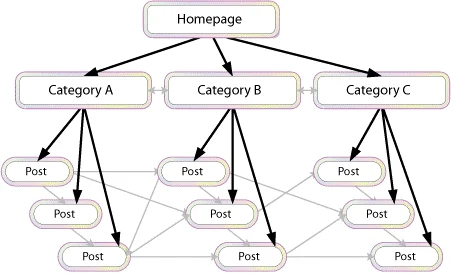
Internal links stay on the same domain; external links point to other sites.
Internal links are the only one of the three that a site controls completely. There is no outreach and no waiting. A strategist can reshape the internal link structure of a site in an afternoon.
How Internal Links Pass Authority and Help Crawling
Search engines find pages by following links. When Googlebot crawls a page, it queues the internal links on that page for crawling. A page with no internal links pointing to it, known as an orphan page, may never be discovered through crawling, even when it sits in the sitemap.
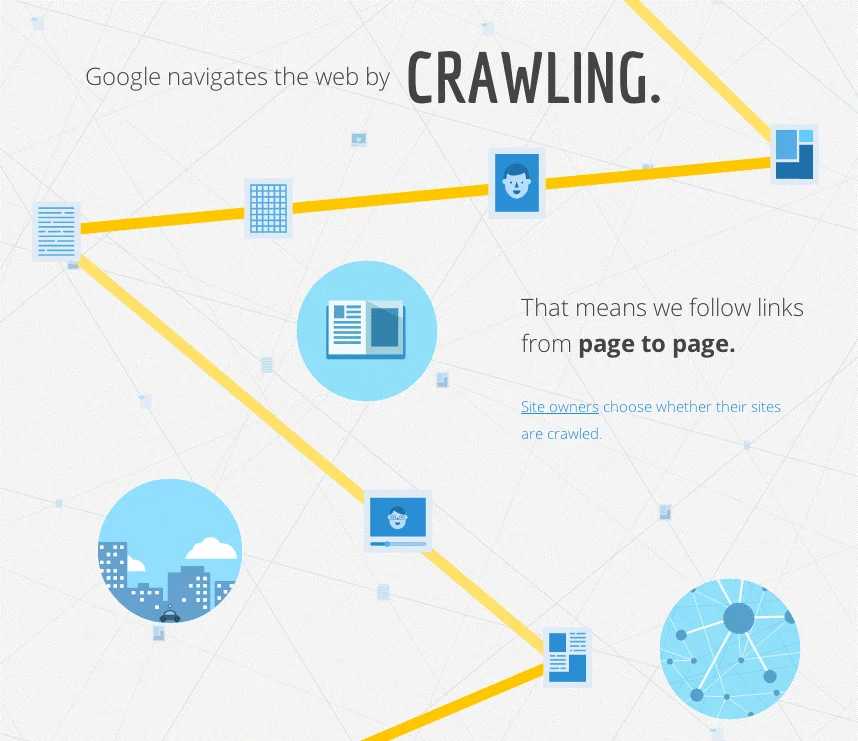
Googlebot discovers pages by following the internal links it finds while crawling.
Internal links also pass ranking signals. When a strong page links to another page on the same site, it shares part of its authority with the destination. The anchor text of the link gives Google context about what the destination covers. A link that reads “internal link analysis” tells Google far more than one that reads “click here”.
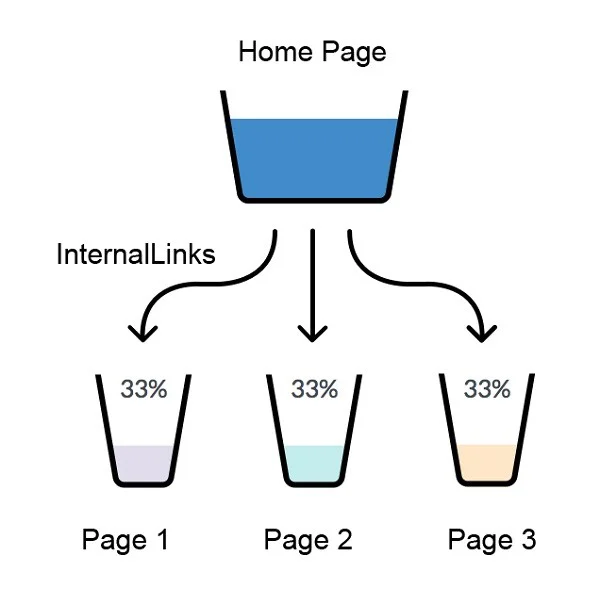
Internal links pass authority from stronger pages to the pages they link to.
Click depth matters too. Pages closer to the homepage tend to get crawled more often and rank more easily. A page 3 clicks from the homepage is usually treated as more important than one 9 clicks deep. Internal linking is how a site controls that depth.
Authority Sculpting: Directing Links to Priority Pages
Authority sculpting is the practice of shaping where internal link authority flows so that the pages a business cares about receive the most support. Older SEO advice tried to do this by adding a nofollow attribute to internal links to hoard authority. That approach stopped working when Google changed nofollow to a hint in 2019, and it was never a good idea for internal links.
Modern authority sculpting is done through deliberate linking, not attributes. A strategist decides which pages are priorities, then makes sure the strongest pages on the site link to them with clear anchor text, that those priority pages sit close to the homepage, and that low value pages do not soak up links that could support revenue pages. The goal is simple. Point the site’s internal authority at the pages that need to rank.
How to Analyze Your Internal Link Structure
Before improving internal links, a site owner needs a clear picture of the current structure. An internal link analysis answers a few questions. Which pages receive the most internal links. Which important pages receive almost none. Which pages are orphaned. How deep the average page sits from the homepage. Whether anchor text is descriptive or generic.
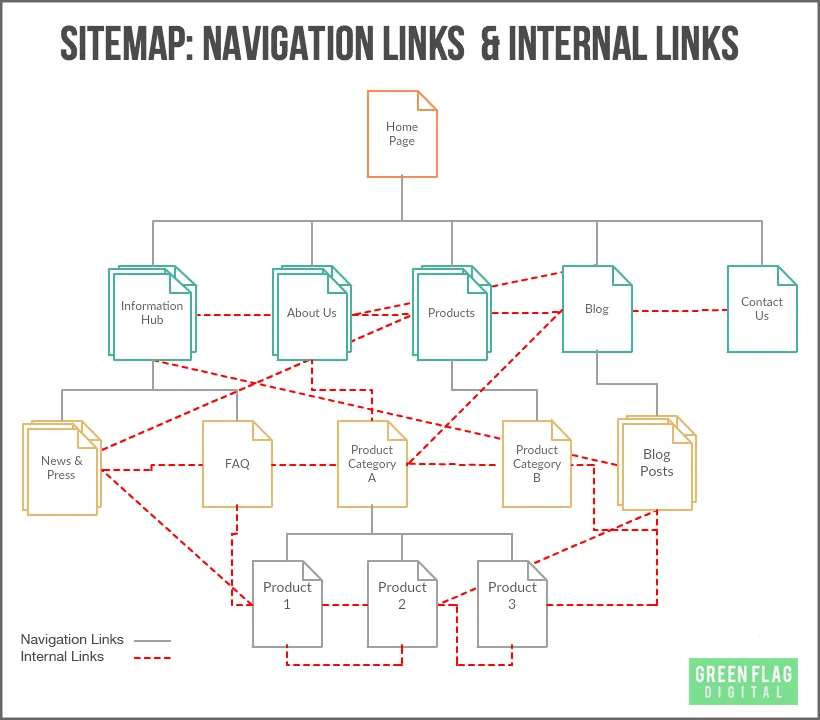
An internal link analysis maps how every page connects and which pages are under linked.
A practical audit runs in 5 steps.
- Crawl the site with a tool such as Screaming Frog, Sitebulb, or Ahrefs Site Audit. Each one maps every internal link and reports inlink counts per page.
- Sort the inlinks export by internal inlink count. Pages with zero inlinks are orphans and need links added.
- Compare inlink counts against page importance. High value pages with few internal links are the biggest opportunity.
- Review click depth. Any commercially important page more than 3 clicks from the homepage should move closer.
- Audit anchor text and replace generic anchors with descriptive phrases that match the destination topic.
Google Search Console also reports internal links under the Links report, which lists the internally most linked pages. This is a fast free way to check whether the pages a site cares about are the ones receiving the most internal links.
Internal Linking Best Practices
A handful of practices carry most of the value.
- Link from high authority pages to the pages that need to rank.
- Use descriptive, keyword relevant anchor text, and vary it naturally across links.
- Keep important pages within 3 clicks of the homepage.
- Link contextually from within body content, not only from navigation.
- Point new pages at established pages, and add links from established pages to new ones so they get discovered quickly.
- Fix broken internal links, which waste crawl budget and pass no value.
- Add related content links between topically connected articles to build topic clusters.
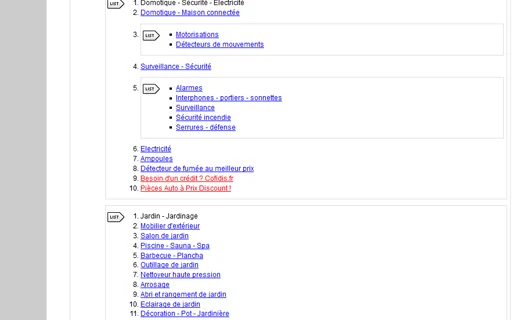
Contextual links inside body content carry extra weight next to relevant text.
Navigation and footer links matter, and contextual links inside the body of an article carry extra weight because they sit next to relevant text. A guide on internal linking that links to a related guide on SEO services from inside a sentence is a stronger signal than the same link buried in a footer.
Site Architecture: Siloing and Topic Clusters
Internal linking works best inside a deliberate structure. Two proven models are siloing and topic clusters.
Siloing groups related pages under a shared section and links them tightly to each other, which concentrates topical relevance. A topic cluster uses a central pillar page that covers a broad topic, with cluster pages covering subtopics that link up to the pillar and back down.
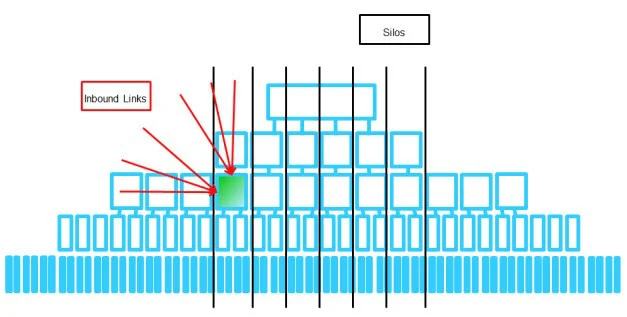
Siloing and topic clusters channel internal authority toward the pages that anchor each topic.
Both models tell search engines that a site has real depth on a subject, which supports rankings for the competitive head term. They also make authority sculpting easier, because the structure already channels internal links toward the pages that anchor each topic.
Common Internal Linking Mistakes
Most internal linking problems come down to a short list of recurring mistakes.
- Orphan pages with no internal links pointing to them.
- Over linking a single page with dozens of identical anchors, which reads as manipulation.
- Generic anchor text such as “read more” that gives Google no context.
- Deep pages buried many clicks from the homepage.
- Broken internal links left behind after slug changes or page deletions.
- Relying on navigation alone and ignoring contextual links inside the body.
Measuring the Impact of Internal Linking
Internal linking changes show up in several places, and Google Search Console is the best free way to track them. Crawl stats show whether newly linked pages get crawled more often. The Pages report under indexing shows whether previously undiscovered pages get indexed. Rankings for the target pages tend to improve over the following weeks, especially for pages that moved closer to the homepage or gained links from strong pages. Organic impressions and clicks to those pages are the final measure of whether the work paid off.
Internal linking also feeds AI search. As answer engines and generative engine optimization grow, a clear internal structure helps crawlers understand which pages are authoritative on a topic, which improves the odds of a site being cited in AI answers.
How Clixlogix Helps
Internal link audits and fixes are part of the technical SEO work Clixlogix delivers for its clients. The team maps the internal structure of a site, finds orphan and under linked pages, rebuilds anchor text, and channels authority toward the pages that drive revenue. Agencies that want this handled under their own brand can run it through Clixlogix white label SEO, where the fulfillment happens behind the scenes and the client never knows a partner was involved.
Internal linking is one of the few SEO levers a site controls end to end. Used well, it turns a collection of pages into a structure that search engines and readers can navigate with confidence.
Frequently Asked Questions