WhatsApp DM Us 🇮🇳 +91-(120)-4137067 🇺🇸 +1-(315) 215-3533
Clixlogix
About
About
Why Clixlogix
Why fast-growing brands trust Clixlogix for digital success.
How We Work
Focused but flexible, explore our agile & collaborative approach.
Culture & Diversity
We bring diverse people together to drive growth-oriented culture.
Client Security
See how we ensure your intellectual property safety to protect you.
Our Team
Make some noise for our talented team powering your digital journey!
Partnership
Looking for a true end-to-end partner to drive growth?
Mission, Vision & Values
The fuel! What keeps us going?
Reviews & Testimonials
Clients love us. We stay humble. See what they have to say?
Know More About Us
Case Studies
Services
Services
All Services
One partner for all things AI & digital.
Digital Engineering
Custom web, mobile, cloud. Precision at AI assisted velocity.
Digital Marketing
AI assisted acquisition that earns its budget.
AI & ML
Agents, models, and RAG built for growth and production load.
QA & Testing
AI Assisted testing & defect catching before you ship.
Enterprise Software
Faster close, cleaner data, lower ops cost.
Creative & Design
Higher conversion, stronger recall, less friction.
Emerging Technologies
Blockchain, IoT, AR, and edge systems your roadmap can absorb.
Consulting Service
Defensible roadmaps, lower risk, sharper ROI math.
More About Services
Solutions
Solutions
Agritech
Intelligent farm management built for real acreage.
Fintech
Payments, lending, and wallets that clear an audit.
Video Calling
Scalable, crisp video calling built for real load.
Grocery Delivery
Lightning fast grocery delivery that scales cleanly.
E-Learning
Teaching and assessment with AI in the loop.
Telehealth
Secure patient care with AI for predictive outcomes.
Fitness Tracking
Goal tracking and coaching that keeps clients active.
EV Charging
Charging networks with reliability and predictive AI.
IoT & Automation
Connected automation with near zero defects on site.
View All Solutions
Industries
Industries
Agriculture
Smart farming and supply chain tech built for scale.
Automotive & Mobility
Connected vehicle and mobility software that scales.
Energy
Grid, asset, and consumption software for providers.
Finance
Secure, compliant fintech for regulated markets.
Healthcare
HIPAA ready software for providers and health tech.
Manufacturing
Industry 4.0 systems linking shop floor to decisions.
Real Estate
Property management and PropTech built for scale.
Retail
Omnichannel commerce and inventory for modern retail.
Travel & Leisure
Booking and guest experience for travel brands.
View All Industries
Careers
Blogs
Contact Us
  • View all About › Why ClixlogixHow We WorkCulture & DiversityClient SecurityOur TeamPartnershipMission, Vision & ValuesReviews & Testimonials
  • Case Studies ›
  • View all Services › Digital EngineeringDigital MarketingAI & MLQA & TestingEnterprise SoftwareCreative & DesignEmerging TechnologiesConsulting Service
  • View all Solutions › AgritechFintechVideo CallingGrocery DeliveryE-LearningTelehealthFitness TrackingEV ChargingIoT & Automation
  • View all Industries › AgricultureAutomotive & MobilityEnergyFinanceHealthcareManufacturingReal EstateRetailTravel & Leisure
  • Careers ›
  • Blogs ›
  • Contact Us ›
Contact Us →
WhatsApp Us Call Us
Clixlogix
  • About
    • Why Clixlogix
    • How We Work
    • Culture & Diversity
    • Client Security
    • Our Team
    • Partnership
    • Mission, Vision & Values
    • Reviews & Testimonials
  • Case Studies
  • Services
    • Digital Engineering
    • Digital Marketing
    • AI & ML
    • QA & Testing
    • Enterprise Software
    • Creative & Design
    • Emerging Technologies
    • Consulting Service
  • Solutions
    • Agritech
    • Fintech
    • Video Calling
    • Grocery Delivery
    • E-Learning
    • Telehealth
    • Fitness Tracking
    • EV Charging
    • IoT & Automation
  • Industries
    • Agriculture
    • Automotive & Mobility
    • Energy
    • Finance
    • Healthcare
    • Manufacturing
    • Real Estate
    • Retail
    • Travel & Leisure
  • Careers
  • Blogs
  • Contact Us
We are available 24/ 7. Call Now.

+1-315-215-3533

info@clixlogix.com

Contact information

c-84, sector 65, Noida

Unified Content and Commerce Platform for Isaiah Institute

A religious publishing nonprofit consolidated 10 scholarly Isaiah titles, bookstore, donations, member access, and newsletter capture on one WordPress platform.

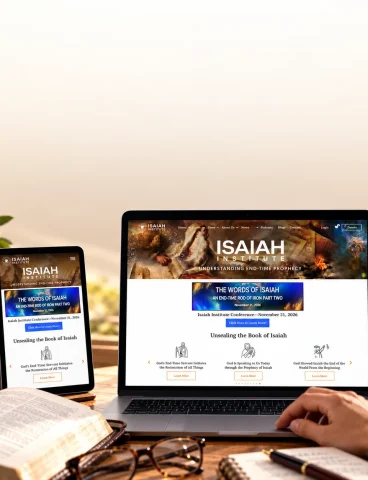
The redesigned Isaiah Institute website displayed on a laptop and tablet in a warm scholarly study setting with an open book, glasses, and notebook.
Home / Case Studies / Unified Content and Commerce Platform for the Isaiah Institute

Unified Content and Commerce Platform for the Isaiah Institute

Industry
Education & eLearning
Geography
United States
Cooperation Period
10 weeks

Executive outcome

The client, on the engagement

“Thank you for all your great help on this important project.” Hebraeus Foundation (United States religious publishing nonprofit)

At the opening of the engagement the Hebraeus Foundation was operating its public surface across fragmented vendor arrangements, with no single owner of the reader journey across content, commerce, donation, member access, and newsletter capture. Clixlogix was engaged to diagnose the architecture, select the consolidation path, and build the platform that executed on that decision. The resulting work moved the Foundation’s full scholarly catalog, bookstore, donation surface, member registration, and newsletter capture onto one WordPress admin, with WPML installed so the site was ready to carry additional languages as the Foundation’s translation projects completed. Clixlogix delivered the engagement in under 10 weeks of design and build across Diagnose, Architect, Build, Harden, and Transition stages, each closed against written client acceptance, and handed the platform over to the Foundation’s managed WordPress environment with the operating path documented.

About the client

The Hebraeus Foundation is a United States nonprofit corporation under section 501(c)(3) of the Internal Revenue Code, formed in 1990. The Foundation launched its public outreach brand, the Isaiah Institute, in 2000 to publish and share the research of Avraham Gileadi, a scholar of the Hebrew Bible and the Ancient Near East who earned his Ph.D. at Brigham Young University in 1981 under Roland K. Harrison and Hugh Nibley.

Avraham Gileadi’s published catalog spans more than three decades of scholarly work on the Book of Isaiah, including Israel’s Apostasy and Restoration (Baker Book House, 1988), The Literary Message of Isaiah (Hebraeus Press, 1994), The End from the Beginning (1997), Isaiah Decoded (2002), The Book of Isaiah Analytical Translation with Comprehensive Concordance (2012), the Apocalyptic Commentary of the Book of Isaiah (2012 to 2013), Windows on the Prophecy of Isaiah (2015), Isaiah Made Simple (2018), and Isaiah: Prophet of the End-Time (2023).

The Foundation serves a reader audience in the United States and internationally, with content distributed across its own website, a mobile companion app, a public podcast, a video library, a blog, and an annual conference. Donations are tax deductible under the Foundation’s 501(c)(3) status.

Diagnosis

Clixlogix opened the engagement with a structured diagnostic across the Foundation’s public surface. The exercise surfaced four structural findings that the Foundation had been reading as a design problem and that Clixlogix reframed as architecture problems.

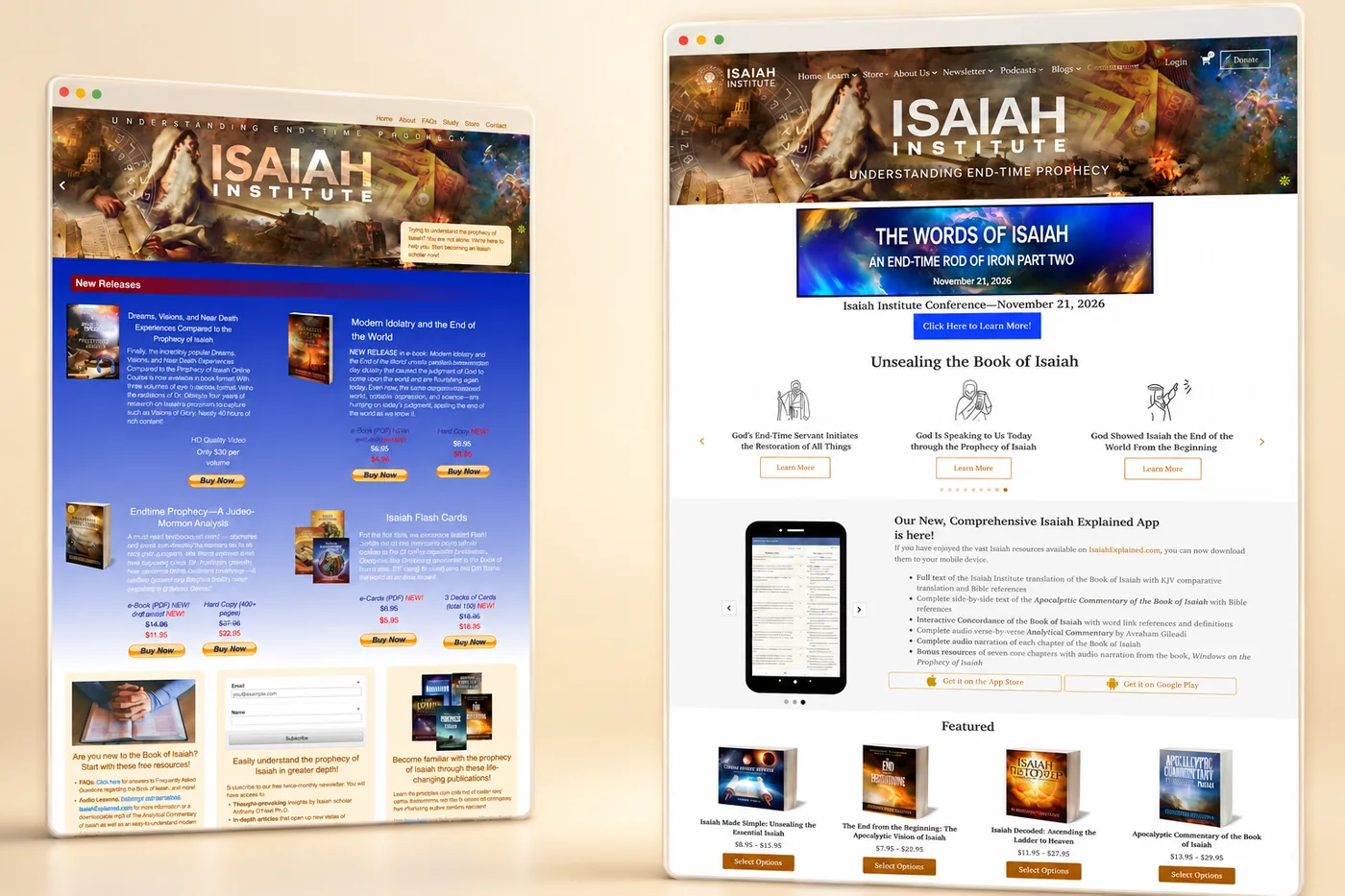
Side by side comparison of the Isaiah Institute website before and after redesign, showing the dense legacy catalogue on the left and the clearer modular content and commerce platform on the right.

Fig 1 - Before and after of the Isaiah Institute home page, inherited composition set against the delivered composition

Admin fragmentation was the hidden operating cost

The Foundation’s small operations team was running the content library, the storefront, the donation surface, the member access area, and the newsletter capture across different tools and different admin logins. Every content action, catalog change, or newsletter list update required a context switch into a different vendor’s interface. The visible cost was time, and the structural cost was the compounding operational burden on a nonprofit team that could not grow its headcount against each new vendor added to the stack.

Donation and purchase were visually indistinct

The donation action, which is the Foundation’s primary 501(c)(3) revenue surface, carried the same visual weight as a book purchase CTA. A reader arriving on the site to make a tax deductible contribution had to work to find the correct action. The structural cost was donor conversion against the single most important action on the site.

Catalog presentation did not match catalog depth

The Foundation had built a scholarly library of 10 titles across translation, analytical commentary, concordance, audio series, and introductory volumes over more than three decades. The public presentation compressed the catalog into a dense single scroll that treated a published analytical translation and a short introductory volume with the same card weight. The structural cost was the Foundation’s perceived authority against readers who were encountering the catalog for the first time.

The multilingual roadmap had no plumbing underneath it

The Foundation’s roadmap called for international translations of the core titles. The architecture carried no multilingual structure, meaning each future translation project would require a schema change on every page type before translated content could ship. The structural cost was a rebuild on every new language, which would compound against every additional country the Foundation reached.

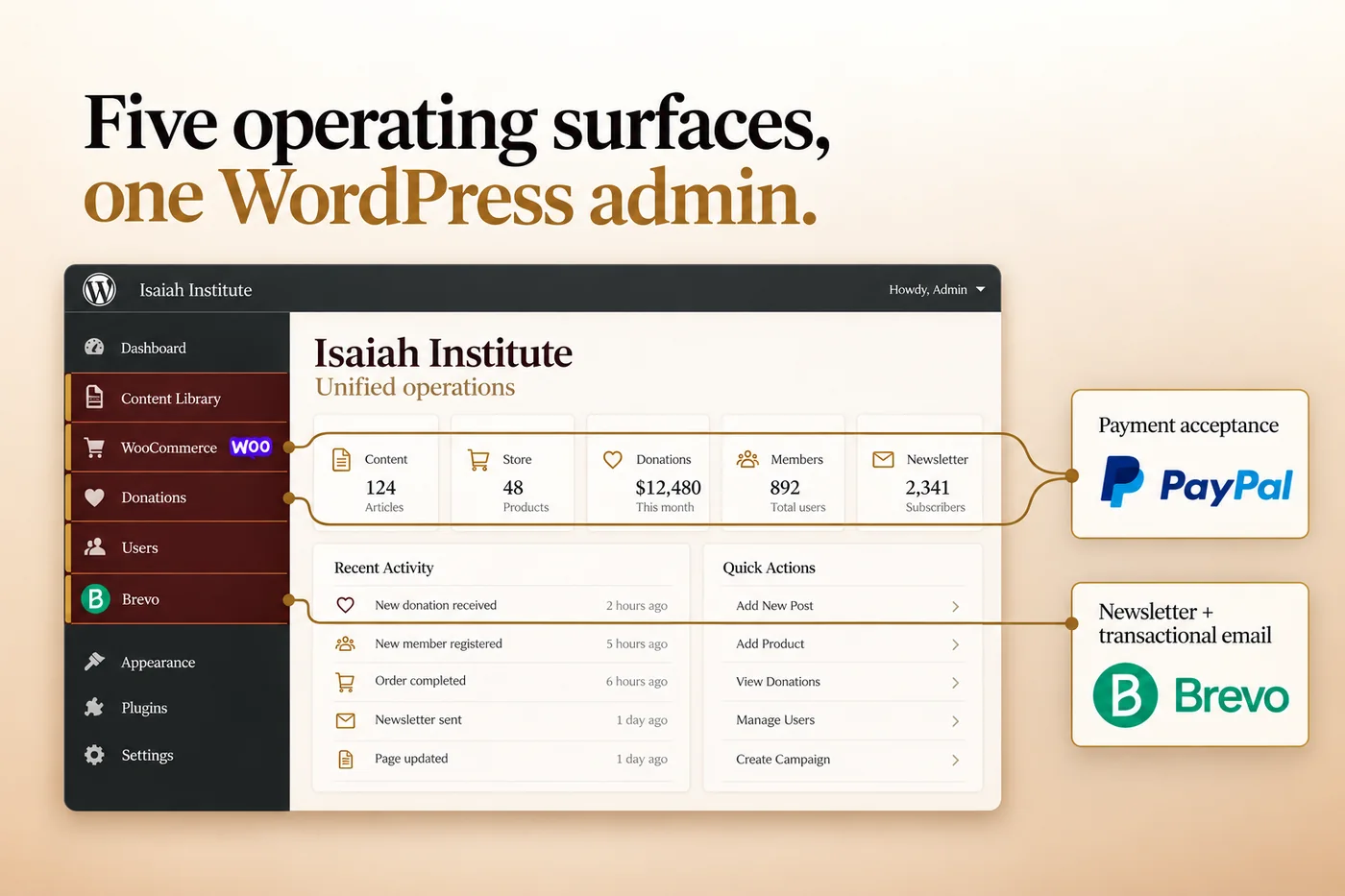
Technical systems diagram showing a representative WordPress admin interface with Content Library, WooCommerce, Donations, Users, and Brevo highlighted in the sidebar; WooCommerce and Donations connect to PayPal payment acceptance, while Brevo connects to newsletter and transactional email.

Fig 2 - Admin surface consolidation diagnosis across the Foundation’s five public surfaces

The scope the Foundation agreed to was an admin consolidation across the five surfaces, catalog repositioning that matched the depth of the published work, a donation flow that read as a primary action, and multilingual plumbing installed before the first translation shipped.

Translation readiness

Wycliffe Global Alliance’s August 2025 Scripture Access Statistics, drawing on ProgressBible data, records that 544 living languages are still waiting for Bible translation to begin, representing approximately 36.8 million people. A scholarly publisher building a reader audience across those linguistic communities carries a structural obligation to install multilingual plumbing at the platform level before the first translation project ships. A multilingual retrofit after content structure is set costs the publisher at every subsequent language addition.

Before and after

Axis on this engagementAt engagement openingAt project close
Operating surfaceSeveral vendor interfaces across content, commerce, donation, member, and newsletterOne WordPress admin owning every surface, operable by a two person team
Catalog presentationFlat grid treating every title with the same visual weightStructured catalog with consistent product cards, categories, and detail pages matched to title type
Donation surfaceVisually indistinguishable from a purchase actionFirst class action surfaced in the header, home page, and footer with payment acceptance aligned to the Foundation’s 501(c)(3) status
Member accessNo unified member area on the Foundation’s domainRegistration, login, and account management surfaced on the Foundation’s own domain
Newsletter captureInconsistent across the siteSite wide capture wired to one newsletter provider under the Foundation’s own account
Multilingual readinessEnglish only, no architectural structure for additional languagesWPML installed and configured, ready for language toggles when translations are approved

Table 1 - The before and after shift on each axis of the engagement, from inherited state to project close

Engagement model

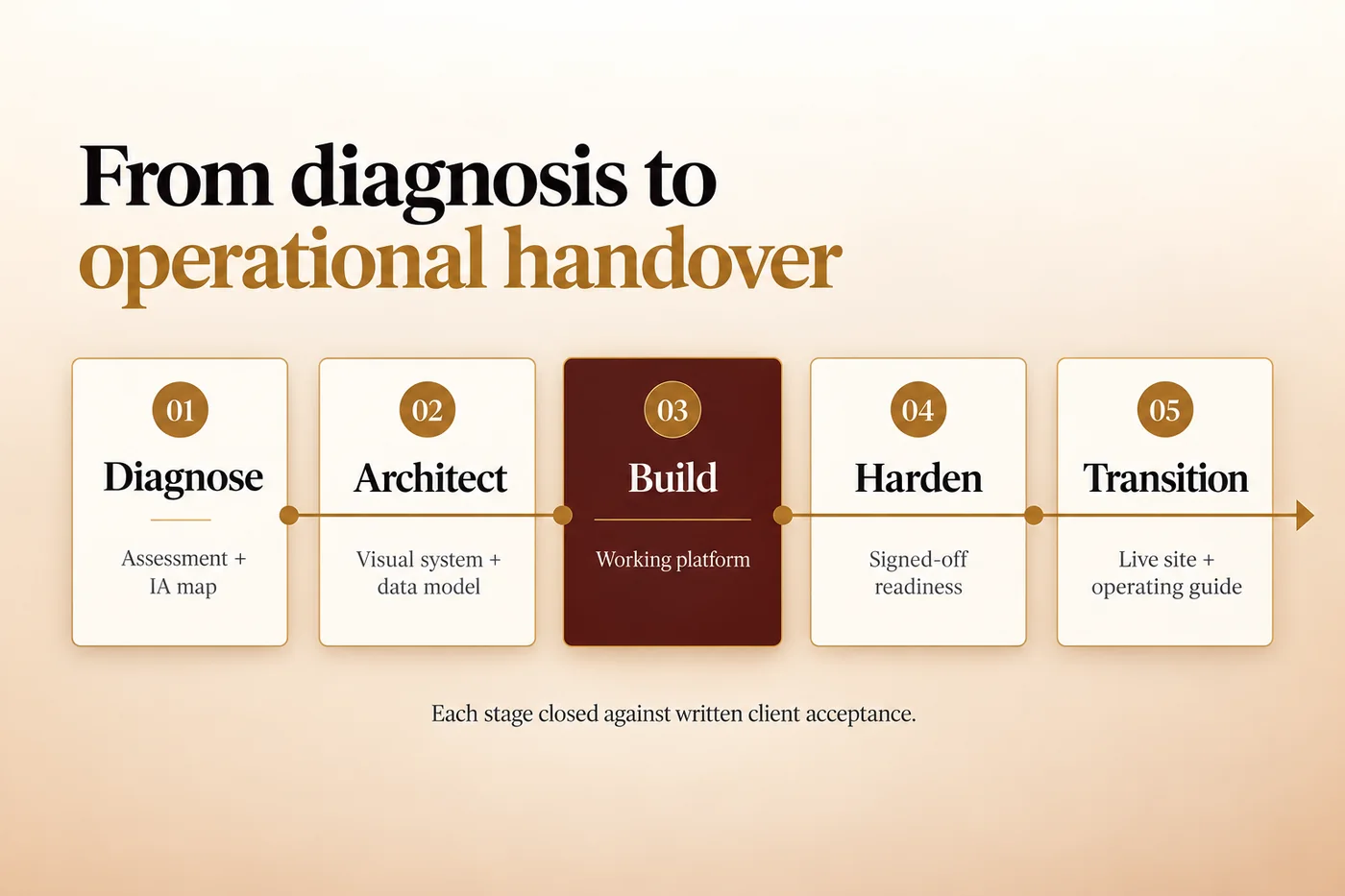
Clixlogix sequenced the engagement in five stages. Each stage carried its own acceptance criteria set, written client sign off, and a defined set of artifacts the Foundation owned at the end of that stage independent of any software.

Five stage engagement sequence moving from Diagnose to Architect, Build, Harden, and Transition, with each stage identifying its principal handover: assessment and information architecture map, visual system and data model, working platform, signed off readiness, and live site with operating guide.

Fig 3 - Five stage engagement sequence from Diagnose through Transition

Diagnose

The Clixlogix Business Analyst conducted the architecture assessment and vendor consolidation analysis across the Foundation’s public surface. The stage produced the information architecture map, the acceptance criteria set for every subsequent stage, and a wireframe set covering every page template.

At the end of this stage the Foundation owned an architecture assessment, a vendor consolidation analysis, an information architecture map, an acceptance criteria set, and a complete wireframe set.

Architect

The design team translated the approved information architecture into a responsive visual system across desktop, tablet, and mobile breakpoints, and the engineering team defined the data model, user role structure, integration surfaces, and release criteria that the build stage would execute against.

At the end of this stage the Foundation owned a responsive visual system covering every page template, a data model for the catalog, a user role structure for the member system, and defined integration surfaces for payment, newsletter, and multilingual.

Build

The engineering team implemented the frontend templates against the approved visual system and wired the backend workstreams onto the single WordPress admin, including the WooCommerce catalog with a product record for every title, member registration and login, PayPal payment acceptance for the bookstore and the donation surface, Sendinblue newsletter wiring across every surface, and WPML multilingual plumbing configured for future language activation.

At the end of this stage the Foundation owned an implemented site running against the agreed architecture on a staging environment, with every content type, product type, member role, and donation path functional.

Harden

The QA team ran a structured sweep against the full acceptance criteria set, with every defect surfaced through a shared tracker visible to the Foundation’s own technical reviewer. Each criterion was signed off on a go or no go basis by the Foundation before the release was cleared for deployment.

At the end of this stage the Foundation owned a release readiness report with every acceptance criterion signed off and a shared defect record carrying description, reproduction, status, and verification.

Transition

Clixlogix deployed the signed off build into the Foundation’s managed WordPress environment, handed over admin credentials, and documented the operating path for routine updates and the activation path for future language toggles.

At the end of this stage the Foundation owned the deployed site on the Foundation’s own hosting, admin credentials, an operating path for routine updates, and an activation path for future language toggles.

Each stage closed against written acceptance from the Foundation before the next stage opened. The design and build time across the five stages ran to under 10 weeks.


Architecture decisions

Clixlogix evaluated the Foundation’s platform options against four decision points at the opening of the Architect stage. Each decision was framed as a trade off that the Foundation reviewed and signed off on. The alternatives considered are recorded here because the Foundation’s team continues to operate the platform and will encounter the same trade off set the next time it extends.

Decision 1. One WordPress admin for every workstream

Alternatives Clixlogix evaluated

  • Best of breed assembly with Shopify as the storefront, Classy or Donorbox for donations, Mailchimp for newsletter, and a separate WordPress plus MemberPress for the member area.
  • Headless composable architecture with a frontend framework reading from a decoupled content service, a decoupled commerce service, and a decoupled donation service.
  • Single admin WordPress consolidation carrying content, commerce, donation, member access, and newsletter wiring under one install.

Decision criterion

Operational cost on a small nonprofit team.

Rationale

The best of breed path carried four vendor contracts, four admin logins, and four separate data silos that the Foundation’s team would have to reconcile. The headless path carried frontend engineering overhead the Foundation’s team was not resourced to maintain. The single admin WordPress consolidation won on time to maintenance recovery and on the operating burden the Foundation would carry every month after handover.

Decision 2. WooCommerce as the commerce primitive

Alternatives Clixlogix evaluated

  • Easy Digital Downloads matched to the digital subset of the catalog, with a separate commerce surface for the print subset.
  • A lightweight commerce plugin matched to each product type, which would have left the Foundation running three commerce engines in parallel.
  • WooCommerce as the single commerce engine for the full mixed catalog.

Decision criterion

Catalog shape (print, digital, audio, multimedia bundles) and the extension path as the Foundation adds future titles.

Rationale

WooCommerce handles every product type in the Foundation’s current catalog natively and extends by product record from the admin. The Foundation’s extension path for a new title is a product record creation, with no theme or schema change required. The alternative paths required code work on every catalog extension.

Decision 3. Install WPML before the first translation shipped

Alternatives Clixlogix evaluated

  • Retrofit multilingual plumbing after the first translation project was ready.
  • Use translation plugins that duplicate content pages per language with no schema level language field.
  • Install WPML at build time with the language toggle disabled until the first translation project completed.

Decision criterion

Cumulative cost per future language addition.

Rationale

Retrofitting multilingual plumbing after content was already structured meant a schema change on every page type for every new language. Duplicate page plugins compound the Foundation’s content management burden on every edit. Installing WPML at build time carries a one time install cost and amortises across every future language the Foundation ships.

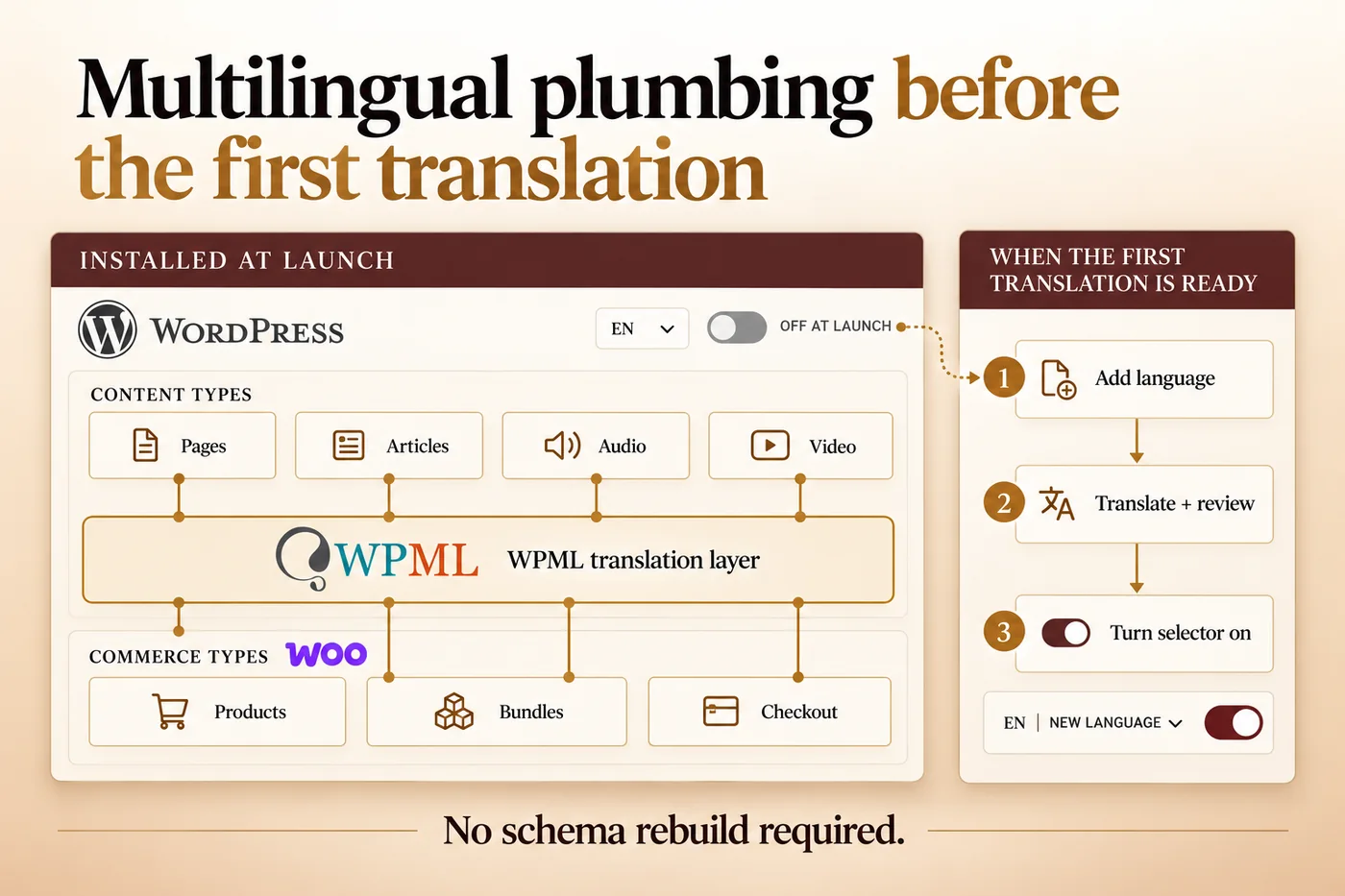
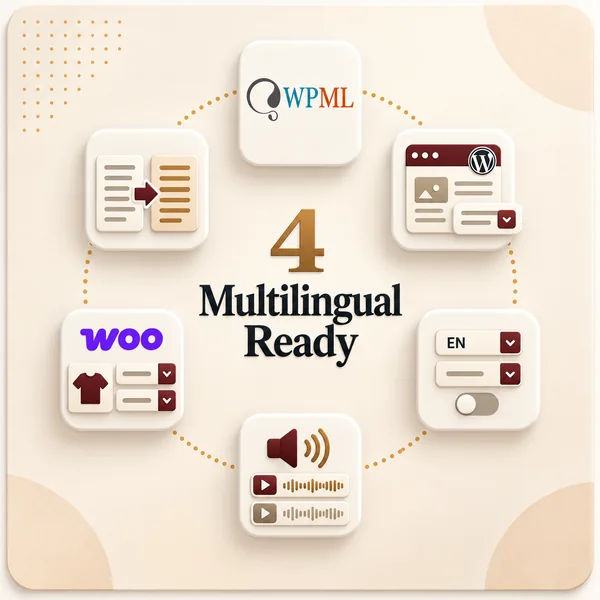
Multilingual architecture diagram showing the WPML translation layer installed across WordPress content types and WooCommerce product types, with the global language selector off at launch and a three step activation path to add a language, translate and review, and turn the selector on.

Fig 4 - Multilingual plumbing architecture with the language toggle inactive at launch and the activation path documented for the Foundation’s first translation project

Decision 4. One newsletter provider across every surface

Alternatives Clixlogix evaluated

  • Separate providers for transactional email and newsletter capture, with the Foundation running two mailing lists.
  • A native WordPress plugin for newsletter with a separate email service for transactional email.
  • A single provider across newsletter, transactional email, and the Foundation’s audience list.

Decision criterion

Subscriber list unification and vendor count.

Rationale

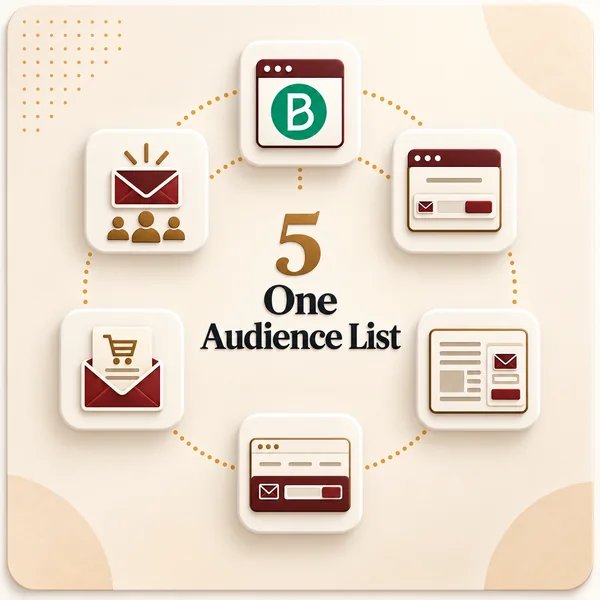
Sendinblue (now Brevo) handles both surfaces under one account, which kept the Foundation’s audience data on one list under one vendor. The alternatives would have fragmented the Foundation’s audience across providers at exactly the point in the audience lifecycle when consolidation is the asset.

Delivery narrative

The build was structured around six strategic workstreams on one platform. Each workstream opened against a written acceptance criterion in the Architect stage and closed against written client sign off in the Harden stage. The workstreams are named after the lever each one unlocked for the Foundation instead of the technical surfaces they ran on.

Catalog commercialisation

The scholarly catalog had grown to 10 titles over more than three decades, yet the storefront presentation flattened a published analytical translation into the same card shape as a short introductory volume. Clixlogix structured each title as a WooCommerce product record carrying its own metadata, cover art, pricing, variant handling for print and digital editions, audio sample where applicable, and relationship to the broader catalog. The featured carousel on the home page, the Store landing page, and the individual product detail pages all read from the same product records, so a price change or a cover art update on a title propagates to every surface automatically. The Foundation now extends the catalog by product record, and the storefront reads with the authority of the underlying scholarship.

Reader relationship architecture

Returning readers had no account surface the Foundation itself controlled; the reader relationship was effectively being held by whichever third party surface the reader was arriving from. Clixlogix built registration, login, password reset, and account management into the platform, wired to WordPress user roles so the Foundation’s operations team could manage registered reader records from the same admin they use for content and the storefront. The login and registration links were placed in the global header so returning readers could reach their account from any page. The reader relationship now sits on the Foundation’s own domain, which is the asset most religious publishers find themselves trying to recover from third party platforms later in their arc.

Donor conversion surface

The donation action was visually indistinguishable from a book purchase action, which taxed donor conversion on the single most important surface on the site. Clixlogix rebuilt the donation flow as a first class action, surfaced in the global header, on the home page below the content library, and in the footer alongside the Foundation’s contact information. Payment acceptance was wired to PayPal, which carried the Foundation’s existing merchant arrangement and tax receipting workflow. The donation surface was composed so a reader clicking Donate landed on a tax deductible contribution flow, with the storefront checkout kept visually and functionally separate. The donation path now reads as the primary action on the site and sits in line with the Foundation’s 501(c)(3) revenue model.

Multilingual sequencing

The Foundation’s roadmap called for translations of its core titles into additional languages, with no translated content ready at the time of the build. Clixlogix installed and configured WPML, added language fields to the content types that would carry translations in the Foundation’s roadmap, and left the language toggle inactive at launch with a documented activation path. Because the plumbing was in place before the first translation shipped, each future language addition reduces to a translation project with the platform work already done. The Foundation’s language expansion now moves at the pace of its translation program, with no rebuild cycle attached.

Audience capture infrastructure

Newsletter capture across the site was inconsistent, which fragmented the Foundation’s audience list at the point in the audience lifecycle when consolidation is the compounding asset. Clixlogix integrated Sendinblue across the site, placing a newsletter signup block on the home page below the content library, in the sidebar of the content pages, and in the footer. Submissions flow to one Sendinblue list under the Foundation’s own account. The integration also carries transactional email capability, so account notifications and purchase confirmations flow through the same provider that handles the newsletter, reducing the Foundation’s email infrastructure to one vendor. The Foundation’s audience list now compounds under one vendor, which is the mechanic every subscription driven publisher relies on.

Release readiness governance

The Harden stage ran on a shared defect tracker, with Clixlogix’s QA analyst recording each defect and resolution and the Foundation’s technical reviewer monitoring progress live. The tracker carried defect description, reproduction, status, and verification sign off. Each acceptance criterion from the Architect stage was signed off on a go or no go basis by the Foundation before the release was cleared for deployment. The outcome for the Foundation was a governance surface it could trust, with every criterion the Foundation had agreed to accepted by name before the platform transitioned to production.

Post launch results

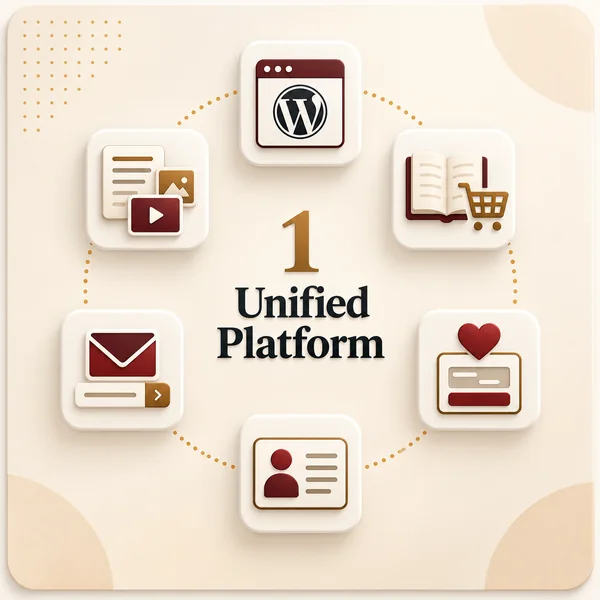
A unified public platform for a 20 year scholarly catalog

A unified public platform for a 20 year scholarly catalog

The Isaiah Institute moved its full content library onto one custom WordPress platform.
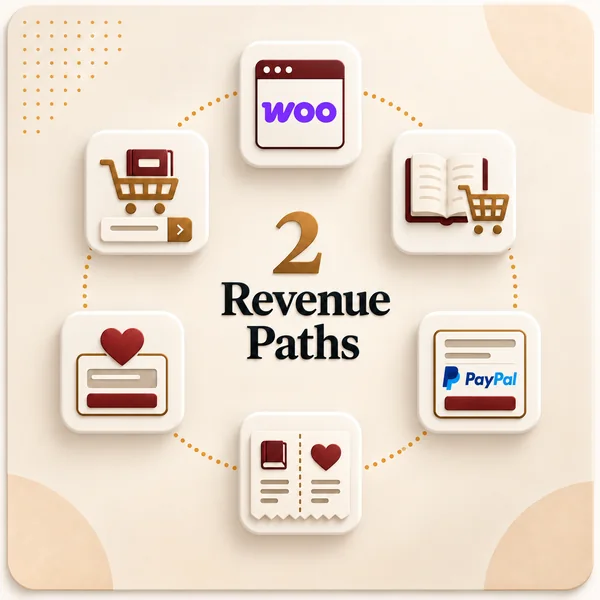
Bookstore and donation surface on one WordPress build

Bookstore and donation surface on one WordPress build

The Foundation now sells books and accepts donations through one checkout flow on site.
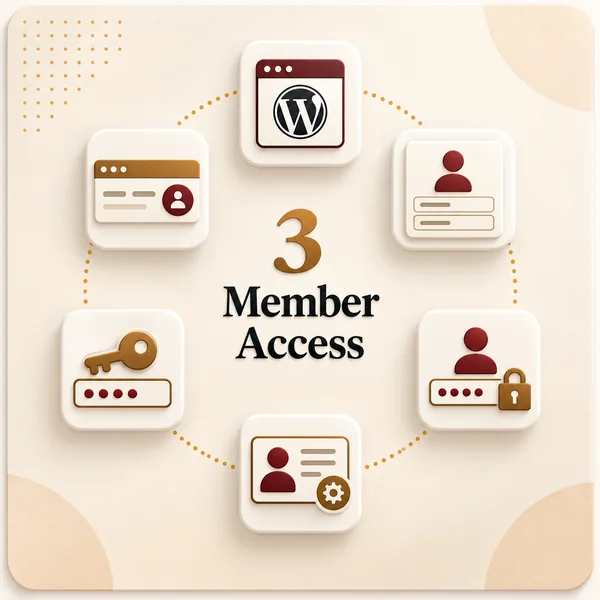
Member registration and account access from day one

Member registration and account access from day one

Readers register, log in, and manage their own profile on the Institute's own site.
Multilingual readiness installed before the first translation

Multilingual readiness installed before the first translation

The site is multilingual ready, so new translations can be activated by the Foundation.
Newsletter capture tied to the content library

Newsletter capture tied to the content library

Every page carries a newsletter signup wired to the Foundation's own email tool.

Forward looking recommendation

Clixlogix closed the engagement with a short view on where the Foundation’s next investment cycle will produce compounding returns. These are observations the Foundation can take or revise against its own roadmap, and they are recorded here because the architecture Clixlogix shipped was designed to accommodate each of them without a rebuild.

Segment the newsletter list by reader type - The Foundation’s audience spans scholarly readers, lay readers, podcast listeners, donors, and conference attendees. One list under one provider is the right starting shape; segmentation on that list is the next lever and will let the Foundation tune campaign copy by reader interest with no additional vendor added to the stack.

Capture the audio audience into the written catalog funnel - The Foundation operates a public podcast with a growing listener base. The compounding move is to wire podcast episode landing pages, show notes, and audio commentary surfaces into the same newsletter list the written catalog captures to. The platform supports this surface with no rebuild required.

Sequence the first two translations against donor nation structure - The multilingual plumbing is installed. The strategic question is which two languages ship first. The economics case for sequencing is strongest where the Foundation already has reader density and where the destination country carries a tax deductible contribution structure the Foundation can mirror. Translation project selection is the Foundation’s call; the platform is ready to run the language toggle on either language when the content is signed off.

What the client can do now

The Foundation now owns three strategic levers that extend the platform with no external engineering spend required.

Catalog expansion - The Foundation’s team can add a new title to the catalog by creating a product record in the WooCommerce admin. The featured carousel, the Store landing page, and the title’s own product detail page update from the single product record. The marginal cost of extending the catalog sits at the editorial level, with the platform cost already paid.

Audience growth - Every content surface on the site captures to one newsletter list under the Foundation’s own account. The Foundation’s team can publish a new podcast episode, a new blog post, a new video vignette, or an FAQ update from the WordPress admin, and the newsletter capture surfaces continue to collect against the growth. The audience asset compounds against every piece of content the Foundation publishes.

Language expansion - The multilingual plumbing is in place. When the Foundation’s first translation project is ready to publish, the Foundation can enable the language toggle on the content types that carry translated versions, add the translated content through the WPML admin, and launch the second language with no platform rebuild required. Each additional language is purely a translation project, with the engineering cost already paid.

Technologies and tools

Area on this engagementTechnologies and tools
Content management systemWordPress as the single admin for the site, content library, storefront, member system, donation surface, and newsletter capture
Commerce catalog and checkoutWooCommerce for the 10 title scholarly catalog, with product cards, cart, and checkout built on WooCommerce primitives
Payment acceptancePayPal for the Foundation’s bookstore and donation flow, consistent with the Foundation’s existing merchant arrangement
Member registration and accountWordPress user roles with registration, login, password reset, and account management, surfaced on the Foundation’s domain
Multilingual plumbingWPML installed, licensed to the Foundation, and configured for content and commerce types, with the language toggle ready for activation on the first translation project
Newsletter capture and transactional emailSendinblue (now Brevo) as the single newsletter provider wired to the home page, content pages, and footer, with transactional email on the same provider
Release readiness governanceShared defect and acceptance tracker visible to the Foundation’s technical reviewer across the Harden stage, with go and no go sign off per acceptance criterion
Hosting at deploymentManaged WordPress environment selected by the client
Engagement sequenceDiagnose, Architect, Build, Harden, Transition, each with written client acceptance and a defined artifact set the Foundation owned at the end of the stage

Table 2 - Technologies and tools in use across the engagement, with the role each one played on the platform

Services Delivered
WordPress Development, WooCommerce Development, Ecommerce Development, Web Design, UX Design, IT Strategy Consulting
Team Composition
Business Analyst, UX Designer, Visual Designer, WordPress Developer, QA Analyst, Project Manager

Have a question for our team or need help with your project?

Our team can share client references, scope your project, and answer any question about your delivery.

File should not exceed more than 20MB
🔒 SECURE SSL ENCRYPTION

Related Case Studies

More engagements where our delivery teams shipped similar outcomes for clients across industries. Read on for context on the patterns we reused, the trade offs we navigated, and the metrics that landed in production.

Glassmorphic Hebrew Scripture publishing workflow with an authoritative Hebrew source, OpenAI assisted transliteration, English and Spanish outputs, editorial review, and a published reading surface over a softly faded Jerusalem and open book background

AI Transliteration for Hebrew Scripture via OpenAI

Web Development WordPress Development Digital Engineering Education & eLearning
GEO and AEO rebuild for an Irish workplace compliance training provider

Vibe Coded GEO Ready WordPress Training Website in 6 Weeks

SEO Web Design Web Development WordPress Development Digital Engineering Digital Marketing Local SEO Education & eLearning
View All WordPress Case Studies
Company
  • About Us
  • Our Team
  • How We Work
  • Culture & Diversity
  • Mission, Vision & Values
  • Security & Compliance
Explore
  • Case Studies
  • Solutions
  • Reviews
  • Partner With Us
  • Careers
  • Contact Us
  • Blogs
  • Latest Zoho Updates
Services
  • AI Software Development
  • AI Eval Framework
  • Vibe Coding Development
  • Vibe Coding Cleanup
  • ERP Services
  • CRM Services
  • Zoho Services
  • Zoho Consulting
  • Low Code Development
  • Ecommerce Development
  • SEO Services
  • SEO Reseller
  • SEO Guarantee
  • Marketing Automation
  • AI Video Production
  • All Services
Industries
  • Healthcare
  • Banking & FinTech
  • Retail
  • Manufacturing
  • Energy & Utilities
  • Automotive
  • Real Estate
  • Agriculture
  • Beauty & Wellness
  • Sports & Fitness
  • All Industries
Follow Us
  • 12,272 Likes
  • 2,831 Followers
  • 4.2 Rated on Google
  • 22,526 Followers
  • 4.5 Rated on Clutch
© 2026 Clixlogix Technologies Pvt. Ltd. All rights reserved. DMCA Protected GSTIN : 09AAECC5421E1ZZ CIN : U74140UP2011PTC129448
Privacy PolicyTerms of ServiceSitemapRefund PolicyDelivery PolicyDisclaimer