c-84, sector 65, Noida
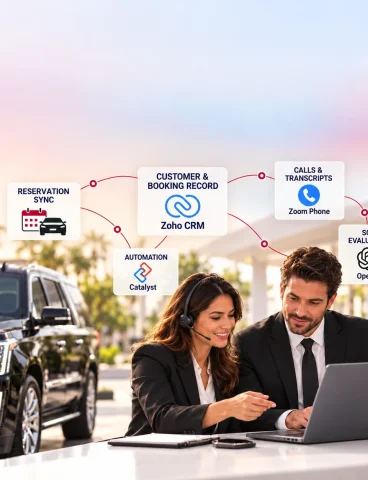
See how a limo operator uses OpenAI to score Zoom Phone transcripts against their SOPs on Zoho CRM, with ChatGPT MCP for natural language querying.
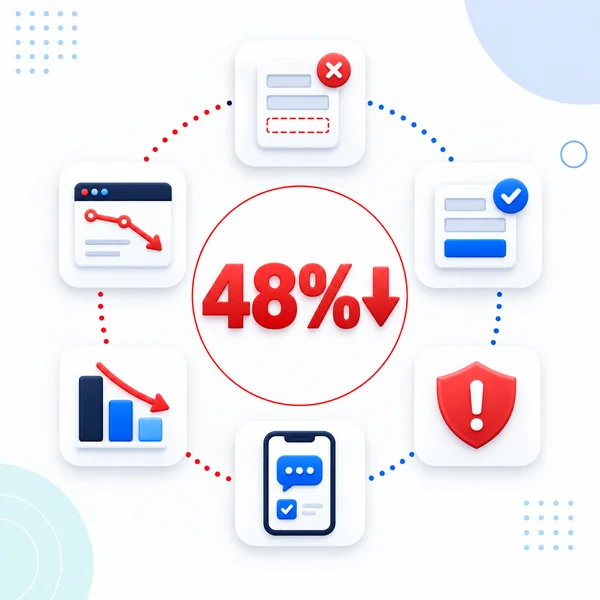
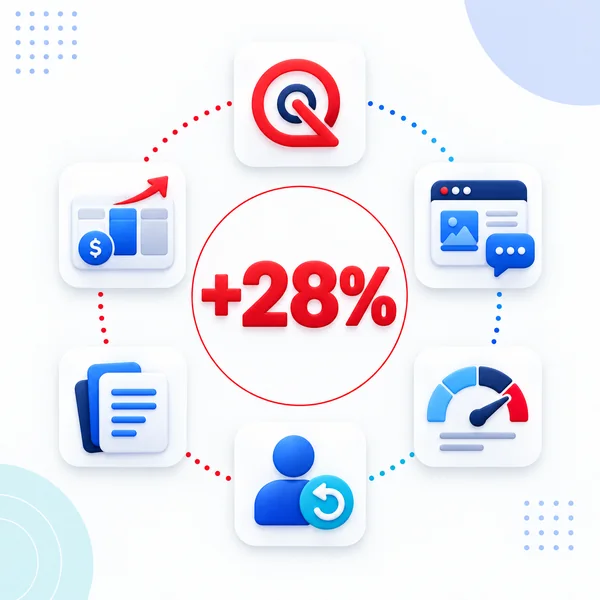
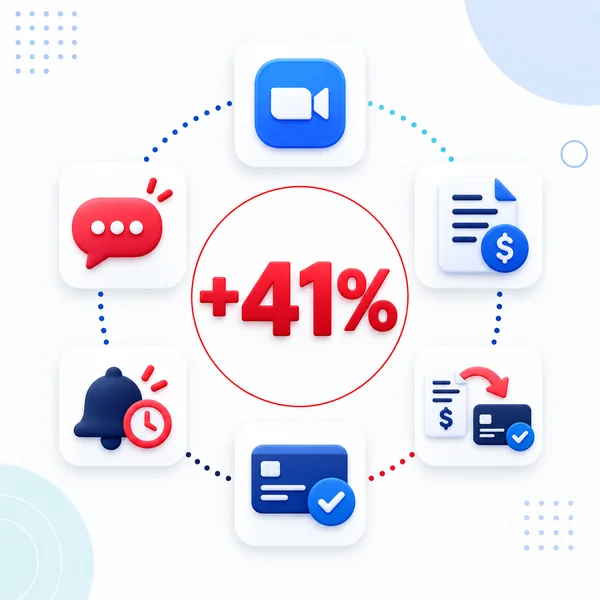
US ground transportation operators are competing for corporate contracts against a rising floor of service expectations. A Florida operator was leaking inbound demand across eight public forms, replaying each Limosys quote by hand into Zoho CRM, and running a sales floor whose quality signals never left the recording. Clixlogix tied the operator's lead capture, bookings and call quality onto one Zoho CRM surface. 100% of inbound demand now routes into CRM with form abandonment down 48%. Zoho SalesIQ page aware chat lifted Deal creation 28% in a quarter. Zoom Phone SMS reminders carried a 41% lift in quote to card on file conversions. Zoho Catalyst evaluates every recorded sales call against the operator's own SOP library through OpenAI, surfacing KPI exceptions on the matching booking Deal, while the Client principal and the floor managers query any CRM record through ChatGPT on the configured MCP. The operator's day and the system of record now move together.
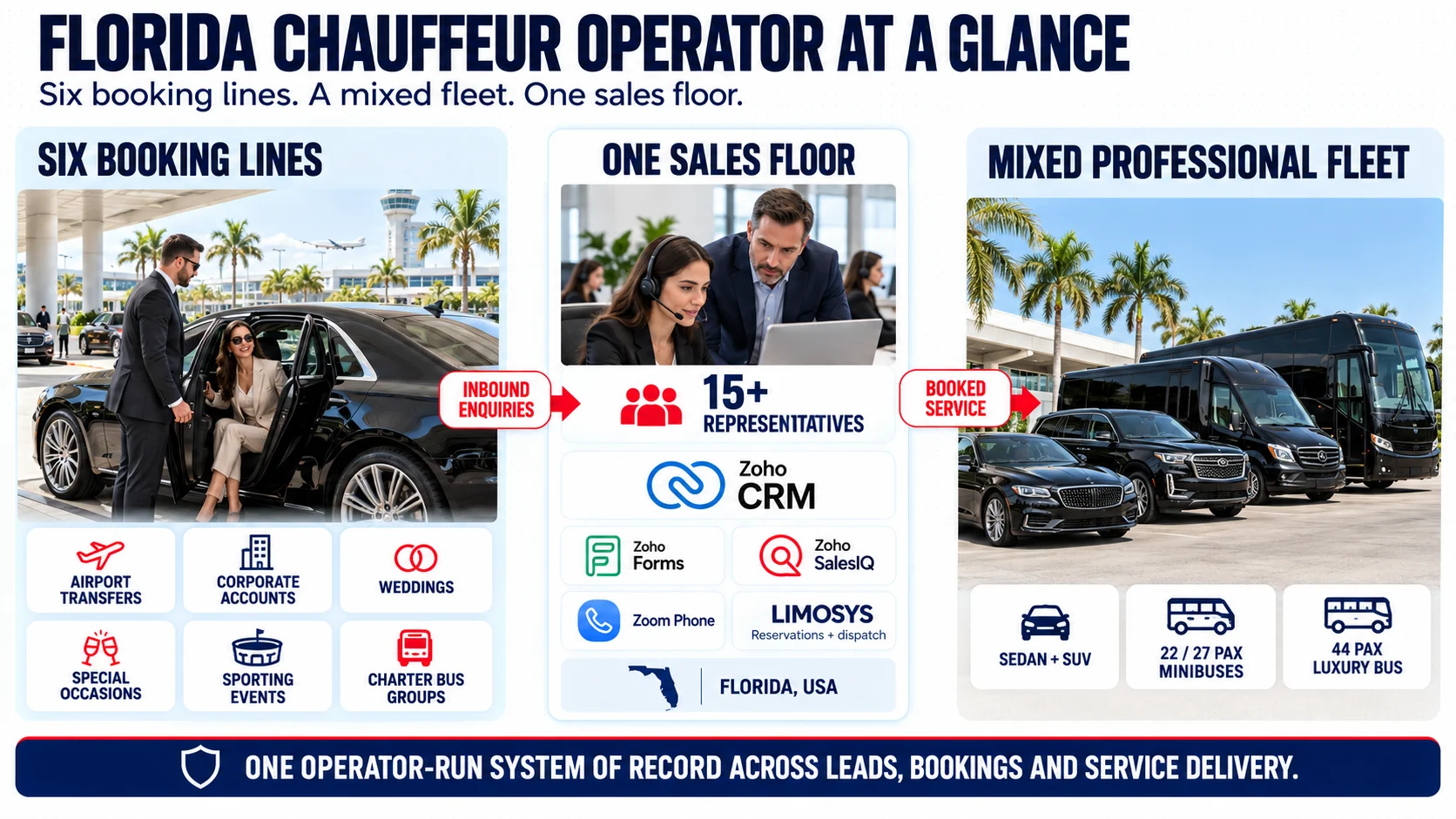
The Client is a US ground transportation company serving Florida. The fleet mixes sedans and SUVs for airport runs and executive travel with luxury minibuses in 22 and 27 passenger configurations, a 44 passenger luxury bus, and charter buses for group bookings. Six booking lines sit on the public website, covering airport transfers, corporate accounts, weddings, special occasions, sporting events and concerts, and charter bus group bookings.
Named accounts on the Client's book include the Republican Party of Florida, Ritz Carlton, Wells Fargo and Walt Disney, among others. Inbound demand arrives on paid search and organic traffic to the public website, with Zoho Forms and Zoho SalesIQ as the two capture surfaces that originate Zoho CRM Leads. Wedding enquiries come in through the Client's listing on The Knot wedding marketplace and feed into Zoho CRM on the wedding booking line, carrying ceremony and reception transportation sized against the 22, 27 and 44 passenger vehicle options.
A sales team of 15 or more representatives handles qualified leads through quote conversations and group booking consultations, with sales floor managers driving the representative queues. Reservations and dispatch run on Limosys. Customer relationship management, forms, chat, business voice, meetings and SMS confirmations run across Zoho CRM, Zoho Forms, Zoho SalesIQ, and Zoom Phone with Zoom Meetings. The Client is operator run, so the system of record and the operator's day are the same thing.
Before engaging Clixlogix, the Client had been running on a prior Zoho implementation partner's build for more than 10 months. That build provisioned the Zoho One subscription and activated Zoho CRM, Zoho Forms and Zoho SalesIQ, with standard CRM modules carrying email notification workflows and a Gmail to Zoho CRM connection. Zoom Phone, Zoom Meetings and Limosys were already in production under separate subscriptions.
The Client approached Clixlogix with a working business that leaked operational signal between tools. These were the core problems the engagement had to resolve.
The prior build left two gaps on the inbound surface. Gmail was connected to Zoho CRM but inbound and outbound emails did not consistently attach to the matching Lead, Contact, Account or Deal, so representatives lost thread continuity on individual accounts. No duplicate detection rules existed on Leads or Deals, so the same customer created more than one Lead and more than one Deal across inbound touches, splitting conversation history and distorting the sales pipeline.
Eight live quote and contact forms spanned airport, corporate, wedding, special occasion, sporting event, charter bus, general contact, and invoice request pages. Form technology was split between Zoho Forms and residual Contact Form 7 instances already present in the WordPress build. The duplicate lead paths produced inconsistent CRM field mapping and inconsistent SMS consent handling across lead capture surfaces.
Zoho SalesIQ was active on the public site but running on a default basic configuration. A visitor on the airport transfer page, the wedding page, or the sporting events page saw the same generic opener and the same path. The chat did not route the visitor into the matching quote form for the page they were already reading, so an inbound intent signal visible in the URL path did not translate into a lead capture action. No knowledge base backed the chat for AI answers, so common questions about fleet options, booking lines or pickup terms fell to human handling or a dead end. Inbound chat volume carried on without visitor scoring to help the floor managers pull high intent sessions out of the queue.
New vehicle types reached the CRM through ad hoc requests to add picklist values. There was no shared reference set across Deals, Leads, and Quotes, so the same vehicle appeared with different labels across modules.
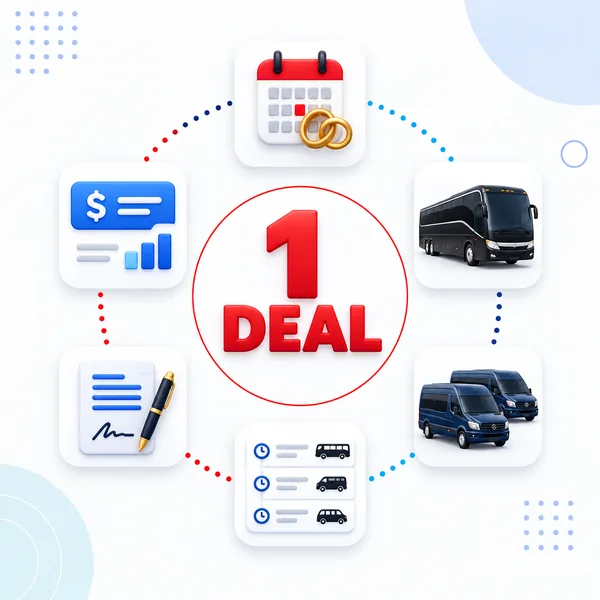
Weddings, corporate events, and sporting events frequently sell as one event with multiple vehicles. The CRM carried these as parallel single vehicle Deals, which fractured commercial reporting and complicated contract generation.
Group bookings often needed more than one representative working the same Deal, with one representative driving the vehicle schedule and another handling the signing or deposit path. The CRM carried a single owner per Deal, so collaboration happened by hand across chat and email outside the record. Repeat customers presented a related shape, one Contact with multiple active Deals, each worked by a different representative. The CRM did not surface the Contact level view that would let a representative see what else that customer had on the book, so quote conversations risked contradicting commitments made on a parallel Deal.
Reservation state lived in Limosys. Sales and operations ran in Zoho CRM. The prior sync carried one function. It reflected post sales stage changes from Limosys booking state onto existing CRM Deals so dispatch state was visible on the Deal and the floor managers could run Limosys dispatch smoothly against those Deals. Quotations, cost data and direct reservation creation sat outside its scope, so the sales floor retyped quotes from Limosys into Zoho CRM by hand. Limosys charges per quote on this path. Legacy accounts ran on a Limosys only path managed directly by the president and the floor managers, so their reservations never reached Zoho CRM at all and sat outside the sales reporting and workflow surface.
The Client's sales program handled inbound calls across the full booking mix, from single callers arranging an airport transfer or wedding, to corporate accounts scheduling executive travel into Florida for business meetings, to group booking consultations for weddings, corporate events and sporting events, to repeat customers calling against existing accounts. These calls ran through Zoom Phone for voice and Zoom Meetings for scheduled group consultations, with all sales numbers configured for Zoom Phone call recording and transcription so transcripts covered the floor. The automated SOP evaluation route used Zoom Phone transcripts. Nothing queried the transcript corpus across calls, and Deal signals, pricing conversations, objections and promised follow ups stayed buried in transcripts the sales team could read one call at a time.
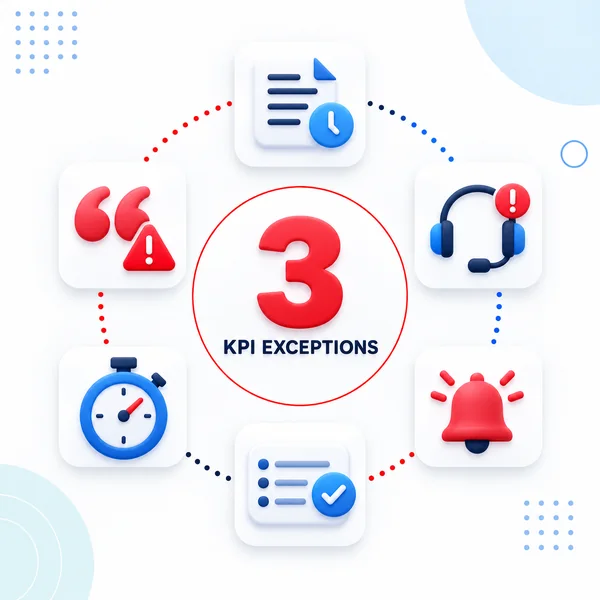
The sales floor manager ran a team of inside sales representatives on inbound quote work, with coverage limited to call barging and occasional transcript review in the Zoom panel. The Client maintained a shared library of more than 18 KPI based SOPs covering the customer journey from first contact through booking, service delivery, customer support and passenger drop off, but nothing read the transcripts against those SOPs at scale. Signals that should have escalated a Deal, routed a follow up or flagged a repeat objection reached the floor manager only through manual reading or a representative's own escalation, and alert emails and sales representative queue escalations happened by hand.
The engagement ran as two workstream groups. Operational stabilisation covered the inherited CRM structure, forms, chat, SMS compliance and lead pipeline. The connective tissue work covered the Limosys sync, Zoom Phone activity binding, multi vehicle contracts and the SOP evaluation engine on Zoho Catalyst. Both ran on a Statement of Work with named deliverables, acceptance criteria, and Zoho Projects on Clixlogix's side as the delivery backbone. Team composition held across the engagement. The Zoho Developer carried the integration build. The Technology Lead owned architecture decisions and picked up the SOP evaluation wiring across Zoho Catalyst, the OpenAI API and the configured Zoho CRM MCP. The Business Analyst held the requirement and QA gate. The Project Manager held the engagement cadence. The Account Lead held the Client relationship.
The Client maintained a shared library of more than 18 KPI based SOPs covering the customer journey from first contact through booking, service delivery, customer support and passenger drop off. On the SOP evaluation work, Clixlogix ran Zoom sessions directly with the sales floor and the floor manager to source those authored SOPs and translate each one into a versioned KPI rubric the evaluation engine runs against. Clixlogix took the Client's authored SOPs and the representatives' and floor manager's own markup, and shaped each one into an executable rubric and a workflow trigger on the CRM side.
The following decisions shaped the implementation.
Zoho implementation partner's email notification workflows and the post sales stage reflection sync from Limosys into Zoho CRM were audited and retained. The Zoho One, Zoom Phone, Zoom Meetings and Limosys subscriptions carried over. The integrations, form system and SOP evaluation work below were added on top.Zoho One opened as Zoho CRM, Zoho Forms and Zoho SalesIQ. Other apps in the suite were deferred. The Client gave the same advice to a referred prospect independently.Zoom Phone plan with call recording, recording transcription and SMS was selected for business voice and messaging. Zoom Meetings carried group booking consultations.Zoho Forms with native CRM field binding replaced residual Contact Form 7 instances for all lead generation flows. Contact Form 7 continued only on non lead forms such as the Simple Job Application. Mandatory validation at submission and consistent consent capture drove the choice.Zoho Catalyst function adds the new quote origination side. Quotations originate in Zoho CRM on the Deal and sync into Limosys on customer approval for invoicing. The Limosys to Zoho CRM side continues from the previous build. Running Catalyst inside the Client's Zoho tenant also gives the same runtime to the SOP evaluation worker.Zoho Catalyst processes each Zoom Phone transcript, matches its customer requests to CRM records, and sends confidently matched requests to the OpenAI API against every applicable SOP, writing KPI evaluation records onto the matching booking Deal or Lead. From there, two routes run in parallel. Route #1 is the automated CRM workflow route, where workflow rules on each new evaluation record trigger a manager alert and a representative task. Route #2 is the interactive natural language querying route through ChatGPT on the Zoho CRM MCP, where the floor managers and the Client principal query pipeline state, SMS volume, lead flow and customer history.An example in flight. A quoting call closes with a pricing commitment made without manager approval. Zoho Catalyst flags the exception on the matching Deal. Route #1 lands the correction task with the representative. Route #2 lets the floor manager pull every open quoting exception across the sales floor into one view.
Considered And Set Aside
Zoom Revenue Accelerator reached the Client through a peer referral, with a demo and a sample morning redline email. The Clixlogix path was selected on two architectural grounds. First, playbook cardinality. Zoom Revenue Accelerator allows one active playbook at a time per account, and the Client needed one call evaluated against several applicable SOPs in one run, which the Catalyst worker handles in one pass. Second, record placement. The demonstrated Zoom setup did not produce the booking specific evaluation records, alerts and representative tasks inside Zoho CRM without additional integration. It also required an additional per user licence.
The engagement opened with a 2 week discovery and solutioning milestone before implementation began. The Client's existing stack from a prior Zoho implementation partner had been in production for more than 10 months, so the milestone combined a brownfield audit of the inherited build with current state mapping of operations and the sales floor.
Zoho CRM configuration review across standard modules, with no custom modules inheritedGmail to Zoho CRM connection reviewLimosys sync, found to be limited to post sales stage reflection on existing CRM Deals, with quotations, cost data, direct reservation creation and legacy accounts outside its scopeZoho Forms and Zoho SalesIQ configuration reviewZoho Forms and Zoho SalesIQ into Zoho CRMLimosys integration surface review, and Zoom Phone and Zoom Meetings configuration reviewGmail to Zoho CRM email binding repair. The Client principal surfaced the issue on the first discovery call against his own mailbox. The fix was delivered as light configuration work on the existing connection.
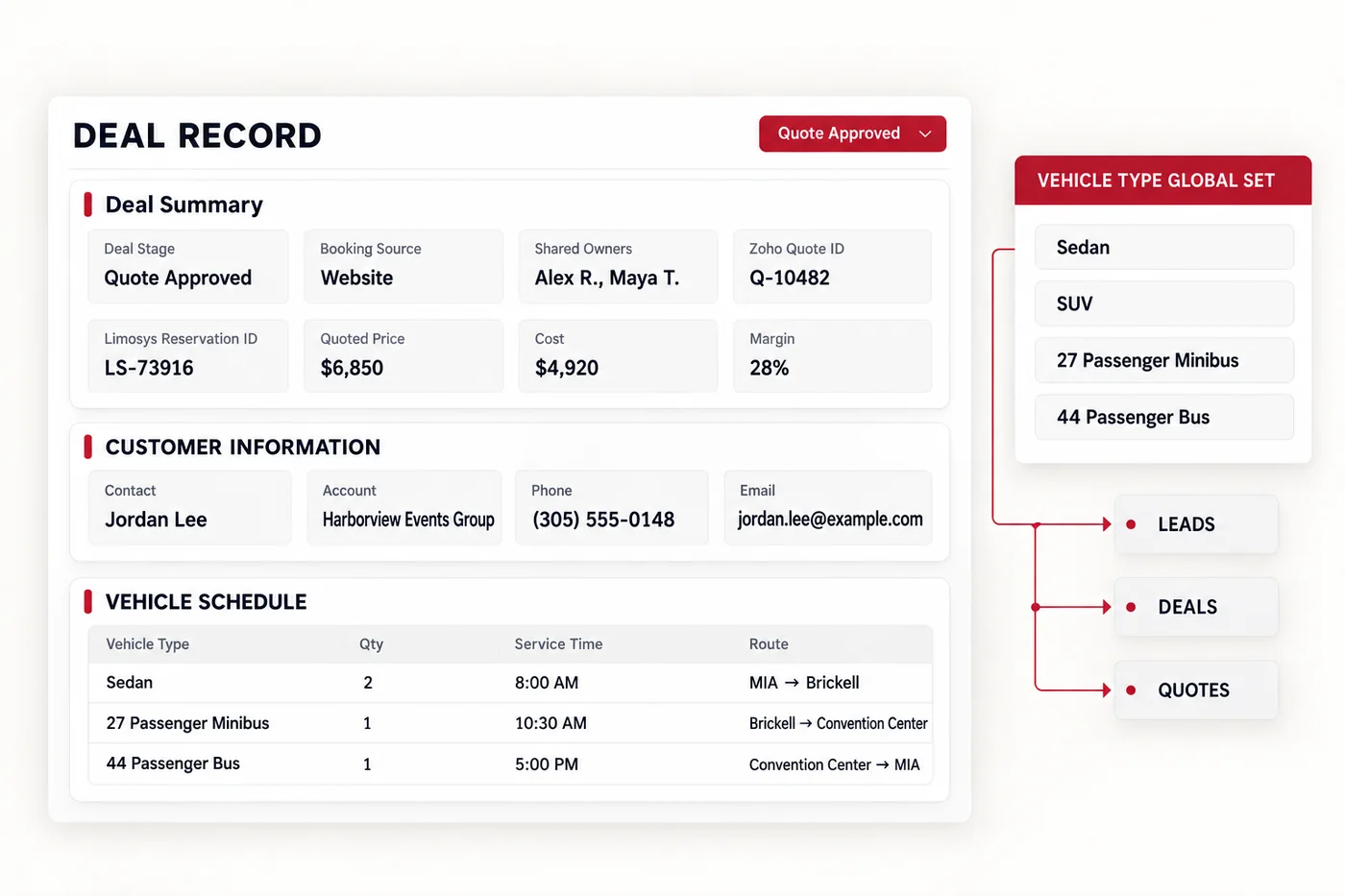
Fig 1 - Deals model with Customer Information and Vehicle Schedule subforms, and the Vehicle Type Global Set.
The CRM structure, pipeline stages and lead assignment rules were reshaped against the Client's actual sales floor operations.
Zoho CRM Global Set used across Deals, Leads, and Quotes. The Global Set carries the full fleet mix, so a single edit propagates to every consuming module.
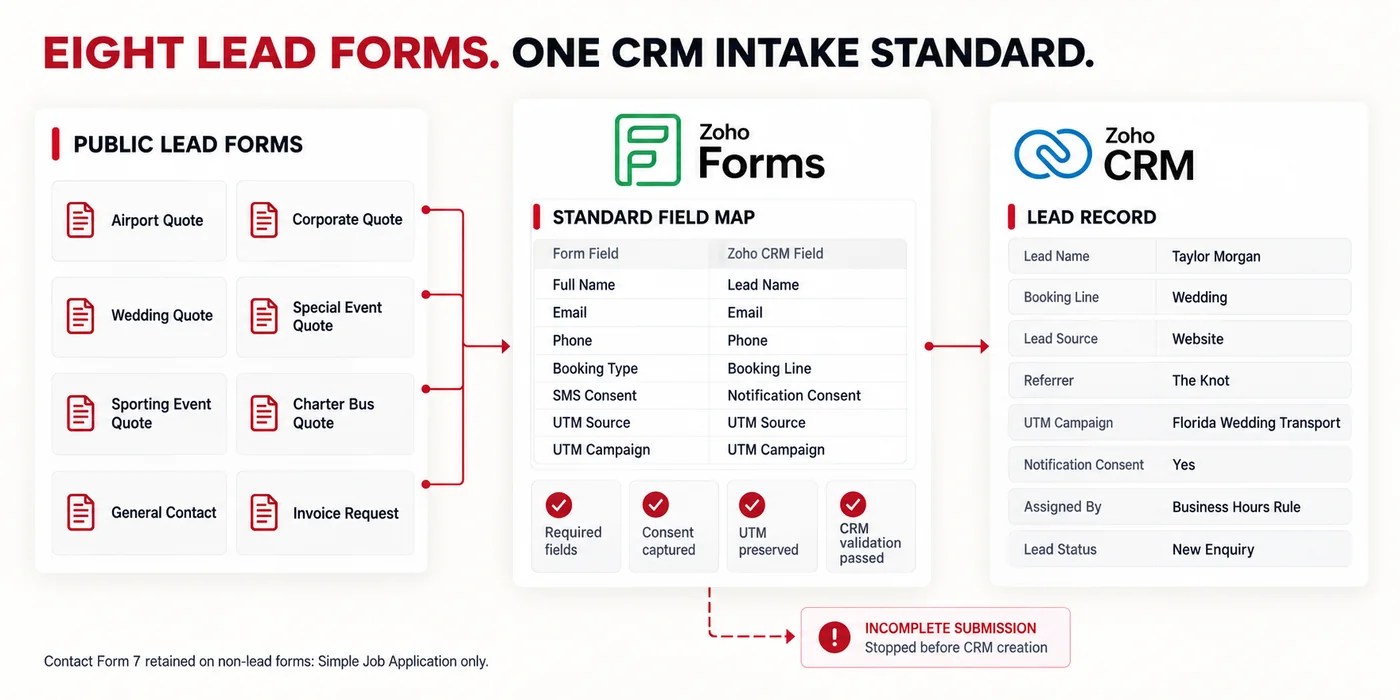
Fig 2 - Lead capture consolidated on Zoho Forms with CRM field mapping and SMS consent at submission.
Every public lead capture page was audited. Working through the Client's external WordPress contractor, Clixlogix delivered a consolidated form inventory and a consent language block that matched A2P 10DLC registration and consent controls as implemented by Zoom Phone.
Zoho Forms with CRM field mapping maintained in Zoho Forms integration settings.Contact Form 7 instances on lead generation pages were retired, leaving Contact Form 7 in place only for non lead forms such as the Simple Job Application.Clixlogix registered the Zoom Phone A2P 10DLC campaign with a documented consent trail from public website form to CRM Leads record to the opt in flag on outbound SMS. The submission attached the consent statement live on the Privacy Policy and Policies pages, the full form inventory, and the mapping between the SMS Consent Checkbox on each form and the CRM Notification Consent field. The campaign went live on the registered path.
Approved message templates targeted sales process and quoting process reminders at the dead points and friction areas identified through sales floor manager interviews. Post sales operational messaging continued to run through Limosys and the floor manager workflow. Inbound STOP, HELP and opt out replies on the registered path are handled through Zoom Phone configuration that Clixlogix set up as part of the campaign registration work.
Consent Trail
Florida is an all party consent state under Fla. Stat. §934.03, so recorded calls on the Client's sales floor require consent from every party on the call. The A2P 10DLC campaign registration adds the SMS compliance anchor against the CTIA Messaging Principles and Best Practices, a documented consent trail from the public website form to the CRM Leads record to the opt in flag on outbound SMS. The two anchors pair the Client's call and messaging compliance posture on one trail.
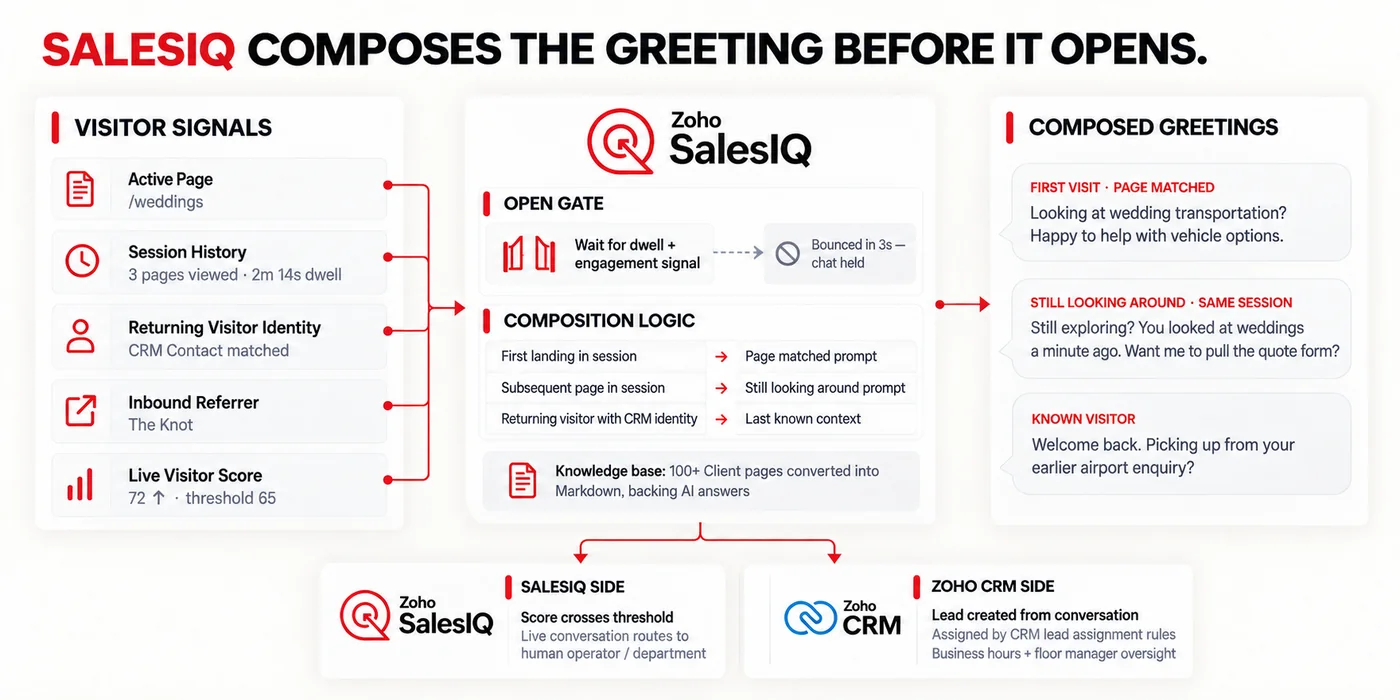
Fig 3 - Zoho SalesIQ composes the greeting from active page, session history, returning visitor identity, inbound referrer and live visitor score before opening the chat.
Zoho SalesIQ runs across the public website as the page aware chat entry point alongside Zoho Forms. The configuration reads the active page, the visitor's session history, the recognised identity on return visits and the inbound referrer, then composes a greeting that fits the moment the visitor is actually in.
SalesIQ identity signals and the matching Zoho CRM Contact or Lead where one exists. The chat opens on a different footing for a known visitor, and the recognition itself feeds into the Lead score inside Zoho CRM so sales floor priority reflects return intent alongside first time traffic.The Knot referrer sees a different opener from a visitor arriving from paid search.SalesIQ routes the live conversation out of the AI first path to a human operator or department. The Lead the conversation creates in Zoho CRM is then assigned to a representative queue by the CRM lead assignment rules.SalesIQ AI answers were backed by a knowledge base built from the Client's existing website content. More than 100 pages were converted into Markdown and imported into SalesIQ, with additional entries authored for gaps identified against the Client's SOPs.SalesIQ conversations create Zoho CRM Lead records with the Notification Consent field prompted alongside standard contact fields so SMS consent capture holds across both chat and form intake paths.
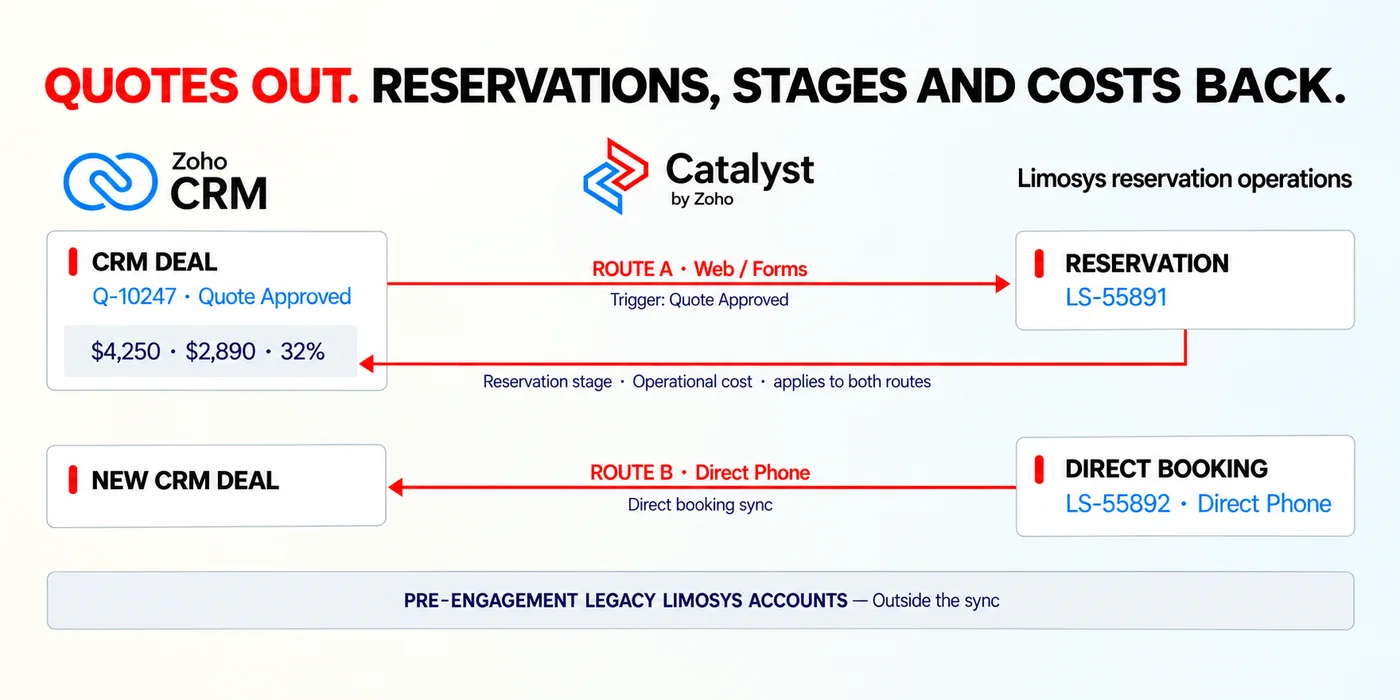
Fig 4 - Approved quotes flow from Zoho CRM into Limosys through Zoho Catalyst. New direct reservations, subsequent stage changes and cost data updates flow back onto the matching CRM Deal.
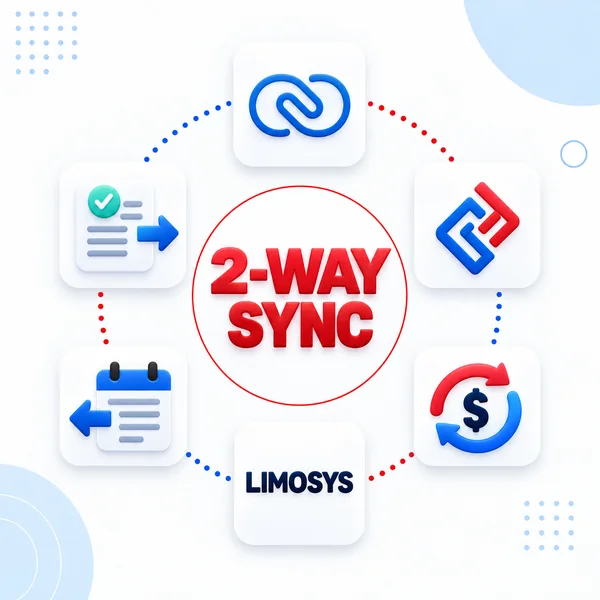
The engagement added a new quote origination path on top of the retained prior sync. Representatives now raise quotations in Zoho CRM on the Deal, and a Zoho Catalyst function syncs each approved quotation into Limosys for invoicing. The Limosys to Zoho CRM side continues to run as before, with three kinds of change crossing onto the Deal: new direct reservations created after the engagement went live, subsequent stage changes on synced Deals, and cost data updates onto the matching Deal custom fields. Pre engagement legacy Limosys only accounts stayed outside the sync at the Client's request.
The integration carries two Deal entry routes. For opportunities that start on the website or in Zoho Forms, the Deal is created in Zoho CRM, the representative builds the quotation on that Deal, and Zoho Catalyst syncs the approved quotation into Limosys for invoicing. For direct phone bookings taken into Limosys by the president or the floor managers, Limosys creates the reservation and the sync creates the corresponding Deal. From there, booking stage changes on either route reflect back onto the matching Deal.
Limosys identifier on the CRM side, and each approved quotation retains the Zoho CRM quote identifier on the Limosys side, for matching and duplicate prevention.Limosys direct reservation sync without replacing the original lead source used for sales attribution.Limosys lands on a defined Deal stage covering dispatch, reconciliation and billing readiness.Limosys matches enter an integration exception queue in Zoho CRM for operator review.Operator Economics
Before the build, representatives raised quotes directly in Limosys and retyped them into Zoho CRM by hand, so every quote attempt carried the Limosys per quote cost against unconverted and converted business alike. The Catalyst integration moves quote origination into Zoho CRM and syncs only approved quotations into Limosys for invoicing, so the per quote cost carries only against business the customer has approved.
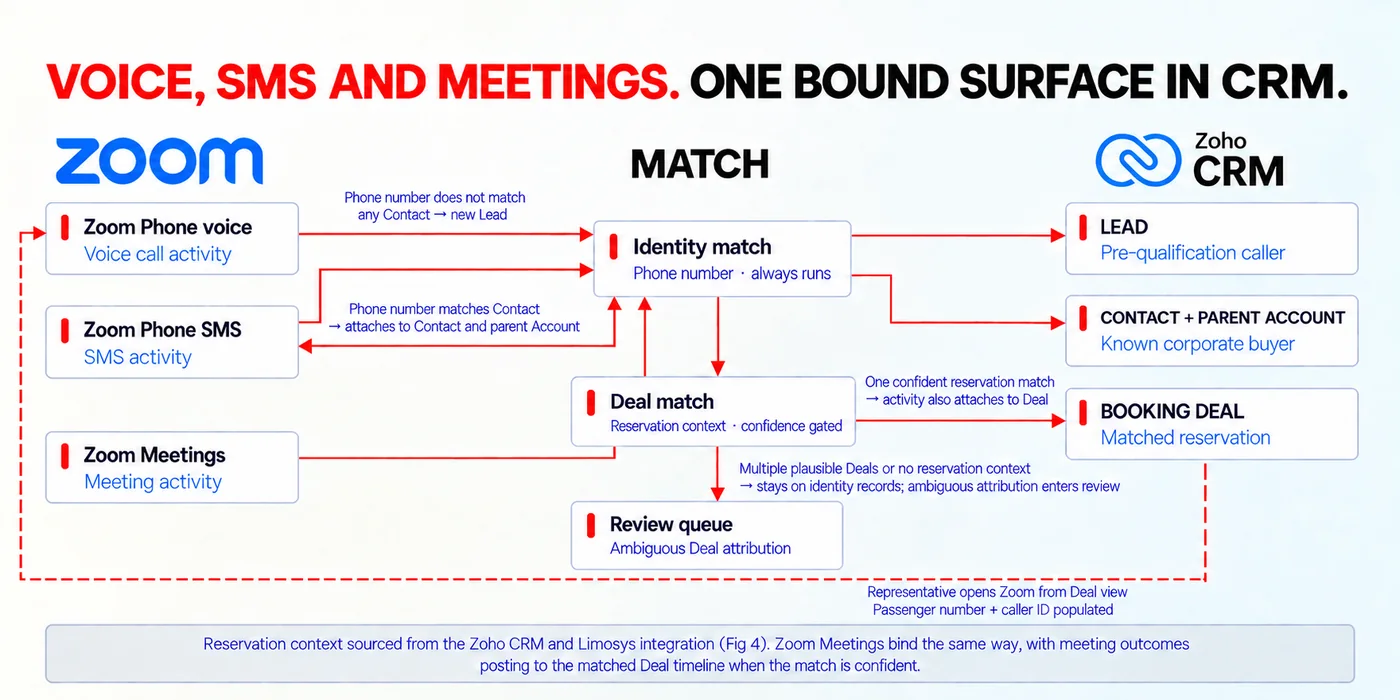
Fig 5 - Voice, SMS and meeting records attach to the matching Lead or to the matching Contact and parent Account, and to a booking Deal on a confident match.
Voice calls, outbound SMS, inbound SMS replies, and meeting records flow into Zoho CRM Lead, Contact, Account and Deal records on one bound surface. Calls at the pre qualification stage attach to the matching Lead. Calls from converted individual customers attach to the matching Contact. Calls from converted corporate customers attach to the matching Contact and the parent Account that holds the company, so a corporate buyer carries one Account level view of every call across the people on their side.
Each communication is first associated with the matching Lead, or the matching Contact and parent Account where one exists. It is also associated with a booking Deal when reservation context produces one confident match. If more than one Deal remains plausible, the activity remains on the Lead, Contact and Account or enters review. It is never forced onto a Deal.
Zoom Phone outbound SMS send events and inbound reply events post into the same timeline, so voice and text appear on one audit trail for the records they belong to.zoomphonesms:// URI scheme, which opens the Zoom client with the passenger number and caller ID populated from CRM context.Zoho CRM view opens the Zoom Phone dialer with the number already loaded, and representatives send pre approved SMS from the Deal view through a template library.Zoom Meetings records bind to the Lead or to the Contact and parent Account, and to the matching Deal where the consultation is scheduled against a specific booking. The volume runs at one or two meetings a month, mostly for large wedding consultations.
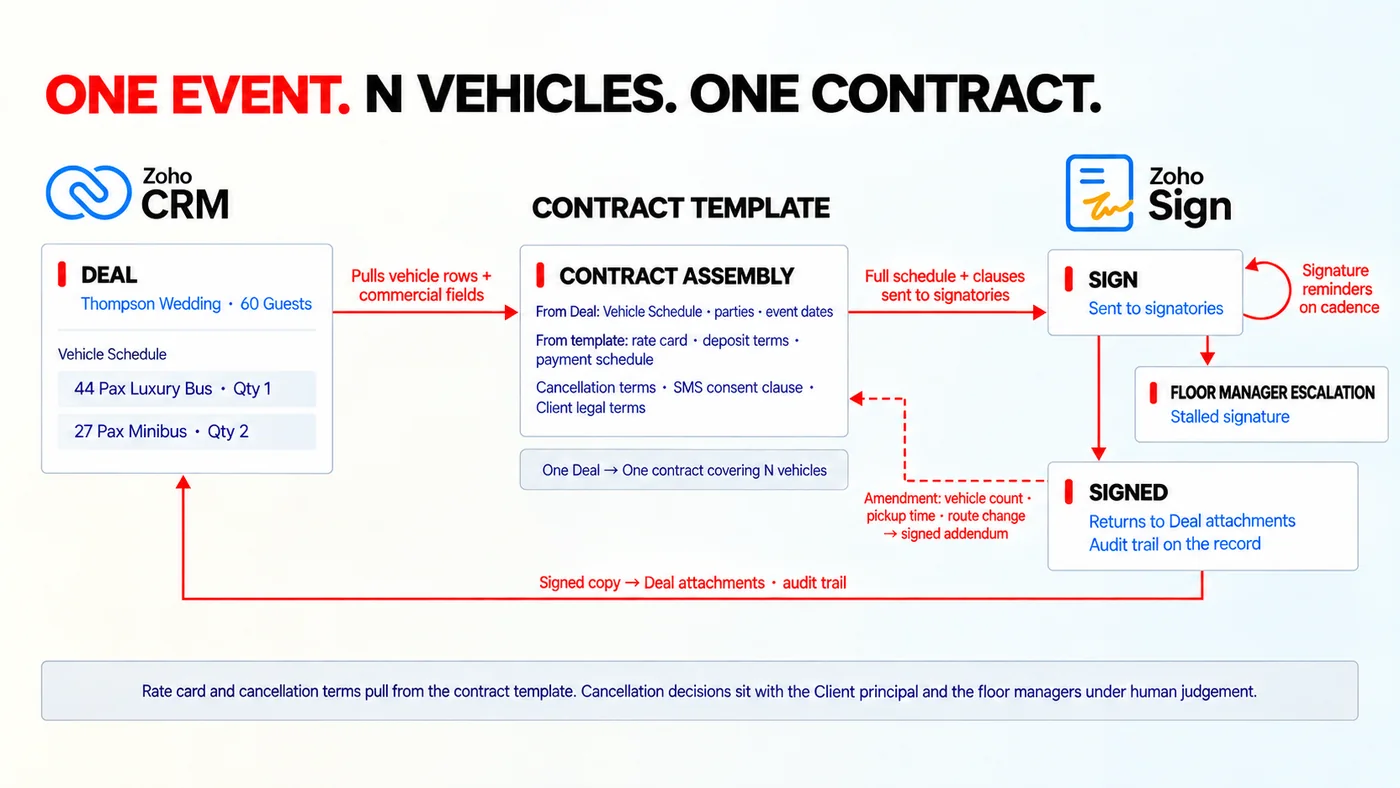
Fig 6 - Contract document assembly driven by the Deal Vehicle Schedule subform.
Contract documents assemble from the Deal and its Vehicle Schedule subform, with Zoho Sign carrying the signature flow.
Zoho Sign.Zoho Sign sends signature reminders on a cadence, with stalled signatures escalated to the sales floor manager.Zoho Sign sends the contract to the signing parties and returns the signed copy to the Deal attachments, so the full audit trail lives on the Deal record.
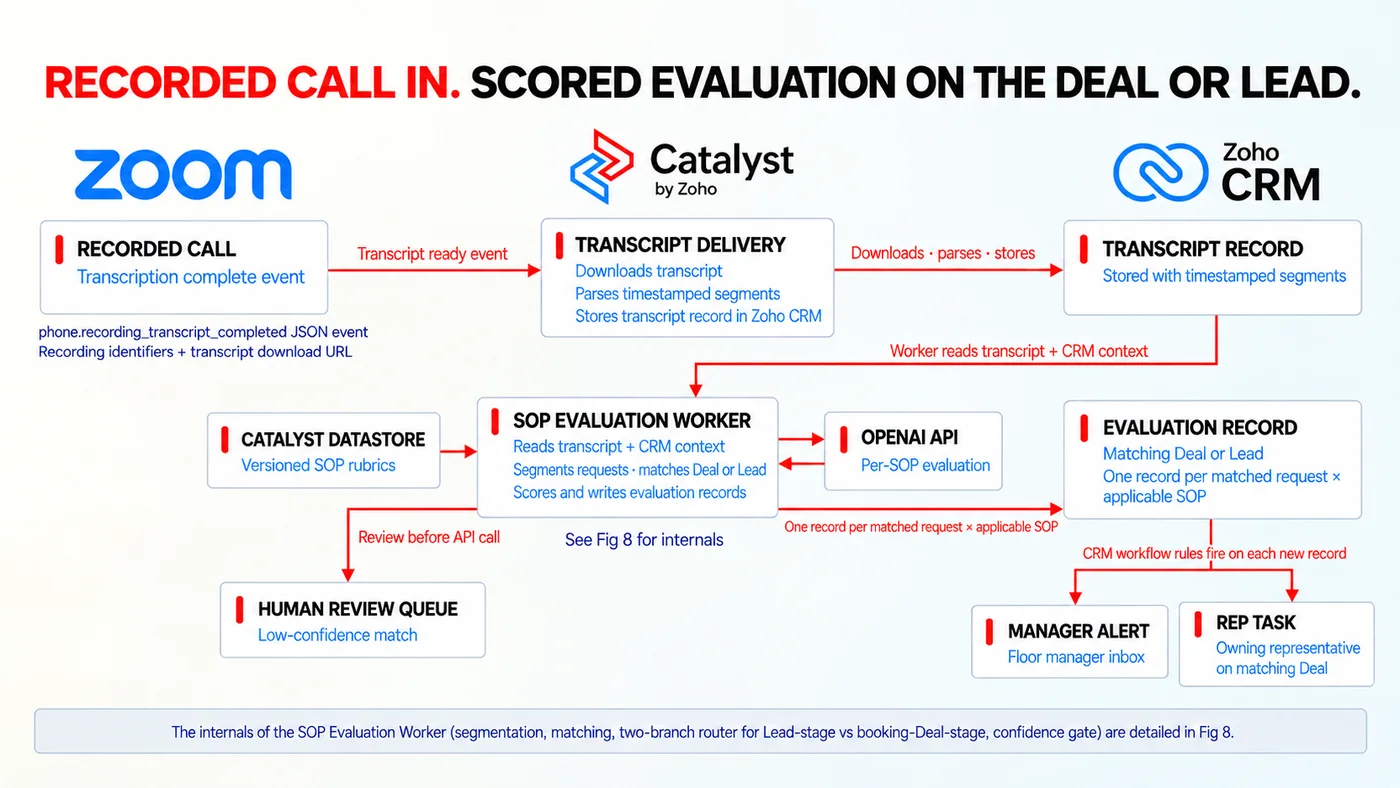
Fig 7 - Zoom Phone transcript ingestion through Zoho Catalyst into SOP evaluation and write back to the matching booking Deal or Lead in Zoho CRM.
All sales numbers were configured for Zoom Phone call recording and recording transcription. When Zoom Phone finishes transcribing a recorded call, it sends the phone.recording_transcript_completed JSON event with the recording identifiers and a transcript download URL. Zoho Catalyst downloads the transcript, parses it into timestamped segments and stores the resulting transcript record in Zoho CRM.
The Zoho Catalyst function runs the evaluation pipeline. The worker loads the transcript along with whatever CRM context the earlier Zoom Phone binding already attached to the call record. For a pre qualification call that is a Lead. For a converted customer that is the Contact and the parent Account, and in some cases a booking Deal.
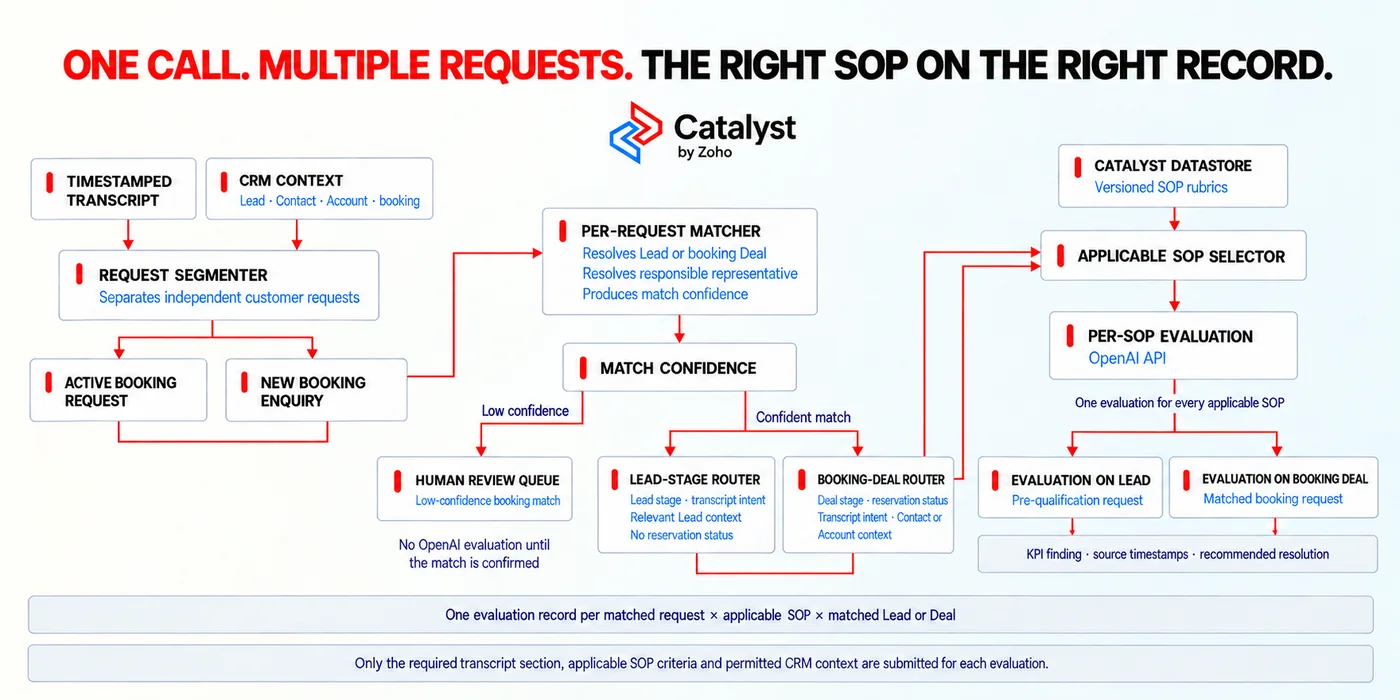
A single call can carry more than one booking inside it. A repeat customer might call to confirm an airport transfer on an active Deal and ask for a quote on a new wedding Deal in the same conversation. For that reason the worker runs its own per segment match on the transcript, independent of whichever Deal the earlier binding attached, so each request in the call lands on the right Deal.
The pipeline runs in order. The transcript is first separated into independent customer requests. For each request the worker resolves the correct booking Deal and the responsible representative, with a confidence score. Requests from a conversation still at the Lead stage stay on the Lead and carry no Deal, because no booking Deal exists yet at pre qualification. Low confidence matches route to a human review queue in Zoho CRM and do not reach the OpenAI call, so a wrong booking never carries a scored evaluation.
Confident matches continue. The worker reads the applicable SOP rubrics from a Zoho Catalyst Datastore table that holds every SOP keyed by rubric identifier and version. The router runs on two branches. For a pre qualification request still at the Lead stage, SOP selection uses the Lead stage, the transcript intent and the relevant customer context on the Lead. For a request matched to a booking Deal, SOP selection uses the Deal stage, the Limosys reservation status, the transcript intent and the customer context on the Contact or Account. For each applicable rubric, the worker submits an evaluation to the OpenAI API. Each response returns a KPI finding, the transcript segment timestamps that anchor the finding back to the recording, and a recommended resolution.
Each evaluation record carries the customer identity, the booking Deal and the representative where one is matched, the SOP identifier and rubric version used, the source call and recording identifiers, the transcript segment timestamps that triggered the finding, and the match confidence and processing status. The cardinality is one evaluation record per matched request, per applicable SOP, per matched booking Deal or Lead.
Fig 8 - Evaluation architecture inside the Zoho Catalyst SOP worker.
The Catalyst function sends only the transcript sections, SOP criteria and CRM fields required for each evaluation. CRM permissions govern access to the stored transcripts and evaluation records.
Transcript Economics
Every operational input on this sales floor is already metered. Limosys charges per quote, Zoom Phone by call minute and message, OpenAI by evaluation. The Catalyst and OpenAI route preserves that variable cost shape, so SOP evaluation volume scales against actual sales floor activity. A per seat alternative places a fixed licence against every representative regardless of SOP exception volume, and the demonstrated setup did not surface evaluation records onto the matching booking Deal or fire the workflow rules that route representative tasks and manager alerts. Current OpenAI model pricing governs the ongoing cost. The pilot has run on a single $50 credit through its first weeks of production.
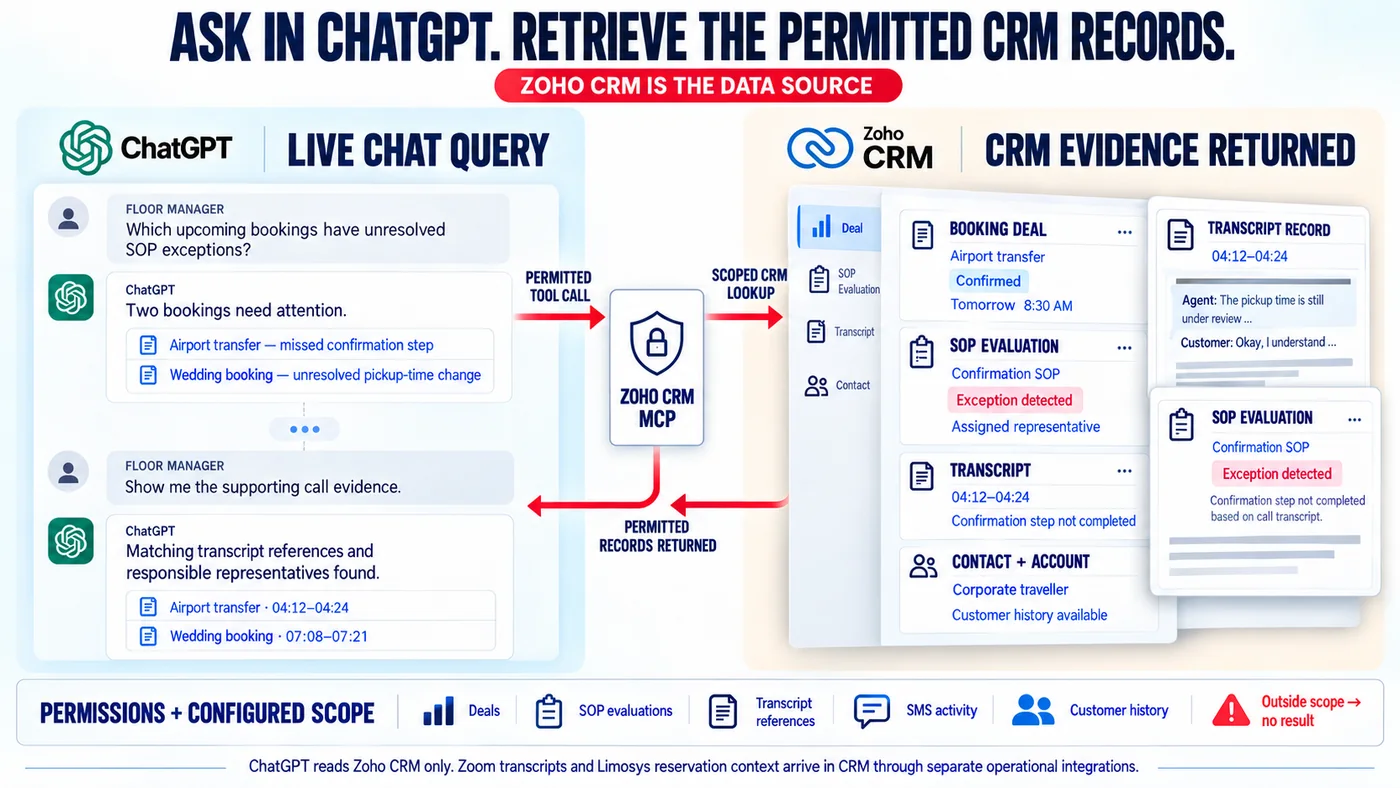
phone.recording_transcript_completed event is detected as already processed and does not create a second evaluation on the same booking.Zoho CRM write failures retry a limited number of times. On repeated failure the item moves to a processing exception queue for operator review.ChatGPT access through the configured Zoho CRM MCP is a separate interactive route for the floor managers and the Client principal. It retrieves permitted records across the modules in scope, covering SOP evaluation records and transcript references on Deals as well as the pipeline, SMS volume, lead flow and customer history reads that the two roles need for day to day visibility.
Fig 9 - ChatGPT retrieving permitted Zoho CRM records through the configured MCP connector for floor manager and Client principal queries.
Zoho CRM MCP connection for ChatGPT.Zoho CRM modules and operations required for the floor managers' and the Client principal's queries.The Client reported that the system surfaced three KPI exceptions in the first week of running against live sales call transcripts, two in the quoting category and one in the customer care category. Each carried Zoom transcript timestamp attribution and a recommended resolution recorded on the matching booking Deal.
UAT ran on a weekly cycle through the engagement. Clixlogix shipped sandbox deployments and demonstrated each release to the Client's stakeholders. On demo approval the build moved into UAT on the Client's Zoho CRM tenant, with defect resolution carried within a one week window and alternative paths planned for issues that could not wait.
The engagement handed over the production system with a documented operations model scoped to the Client's preference for lightweight documentation. Working notes carried the iteration record through the engagement. The formal handoff consisted of the versioned SOP registry and the admin runbook.
ChatGPT queries through the configured MCP.zoomphonesms:// launch from a Deal view. The floor managers reviewed the integration exception queue for failed Limosys sync events.Production validation and ongoing optimisation continue beyond the build sign off.
Zoho Catalyst function logs are retained for operator review, with alerting on repeated transcript download, OpenAI call or Zoho CRM write failures.| Area | What surfaced | How it was handled |
|---|---|---|
| External WordPress contractor coordination | Privacy Policy and Policies pages required changes outside Clixlogix's direct access, held by an external WordPress contractor. | Coordinated through shared email threads and per change permission grants. Expectation setting on turnaround windows added to project tracking. |
| Residual Contact Form 7 instances | Earlier WordPress build left live Contact Form 7 forms on quote pages running alongside newer Zoho Forms embeds, creating duplicate lead paths with inconsistent CRM mapping. | Audited every public lead page, retired Contact Form 7 on lead generation flows, cutover remaining forms to Zoho Forms with CRM mapping and SMS consent capture. |
| Vehicle Type reference set | Vehicle additions arrived as ad hoc tickets, bypassing a shared reference set. | Converted Vehicle Type to a Zoho CRM Global Set so one edit propagates to Deals, Leads, and Quotes. |
| Zoho CRM and Limosys integration surface | The prior build included a sync limited to post sales stage reflection. Quote origination inside CRM, new direct phone bookings reaching CRM, and the sales floor retyping quotes by hand all sat outside its scope. | A Zoho Catalyst function adds the quote origination side. The retained prior sync carries new direct reservations onto a corresponding Deal and reflects stage changes. Legacy Limosys only accounts remained outside the sync at the Client's request. |
Table 1. Friction surfaced during the engagement and the resolution applied in each case.
The figures below cover the period after each workstream went live. Six of the eight are reported by the Client from their own analytics and CRM reporting. The remaining two describe implemented structure and carry no measured change.
| Area on this engagement | Technologies and tools |
|---|---|
| CRM structure and master data | Zoho CRM Deals, Leads, Modules and Fields, Global Sets, Subforms |
| Lead capture binding to CRM | Zoho Forms with mandatory CRM field validation and SMS Consent Checkbox mapping, Contact Form 7 retained on non lead flows |
| Wedding marketplace lead source | The Knot listing originating wedding enquiries into Zoho CRM |
| Website page aware chat | Zoho SalesIQ page matched greetings and routing across the six booking lines |
| Business voice and SMS on a registered A2P 10DLC campaign | Zoom Phone outbound SMS, inbound and outbound SMS events, representative launch via zoomphonesms://, Zoom Meetings for group booking consultations |
| Reservation and dispatch backbone | Limosys reservations, dispatch state and cost data |
| Zoho CRM and Limosys integration | Zoho Catalyst function running the quote origination sync, with the retained reverse sync carrying reservations, stage changes and cost data, plus an integration exception queue |
| Transcript ingestion and SOP evaluation | Zoom Phone transcript events downloaded by a Zoho Catalyst function, SOP rubrics versioned in a Catalyst Datastore table, per request matching with confidence scoring and a human review queue |
| AI analysis and interactive queries | OpenAI API calls from the Catalyst function for per SOP transcript analysis, ChatGPT through the configured Zoho CRM MCP connector with scoped access |
| Alerts, contracts and delivery | Zoho CRM workflow rules on new evaluation records, Zoho Sign for contracts and SOW execution, Zoho Projects for phase tracking |
Table 2. Technologies and tools used across the engagement, grouped by area.
Our team can share client references, scope your project, and answer any question about your delivery.
More engagements where our delivery teams shipped similar outcomes for clients across industries. Read on for context on the patterns we reused, the trade offs we navigated, and the metrics that landed in production.