Wholesale selling moves on relationships, so pricing bends to each buyer, orders stretch to hundreds of line items, and payment runs on net terms with purchase orders and account credit behind them. A single customer may hold several buyers under one approval chain, and fulfillment data flows between the storefront, an ERP, a warehouse system, and sometimes a marketplace feed.
All of that sits on the e-commerce platform, so comparing platforms starts with three axes that cover how each one handles the load.
This guide compares seven B2B e-commerce platforms on three axes.
- Axis 1 - Wholesale fit - How closely the platform models the pricing, catalog, and account rules a serious wholesaler needs. A platform that handles customer specific pricing and company account hierarchy out of the box reduces reliance on extensions and custom work.
- Axis 2 - Platform model - Hosted, open source, enterprise commercial, or development framework. The model drives who owns hosting, updates, security patches, and the ongoing cost base.
- Axis 3 - Custom work level - How much engineering a buyer should expect to fund before the system runs the business day to day. Low means the platform covers most workflows natively. High means paying for a build on top of a product.
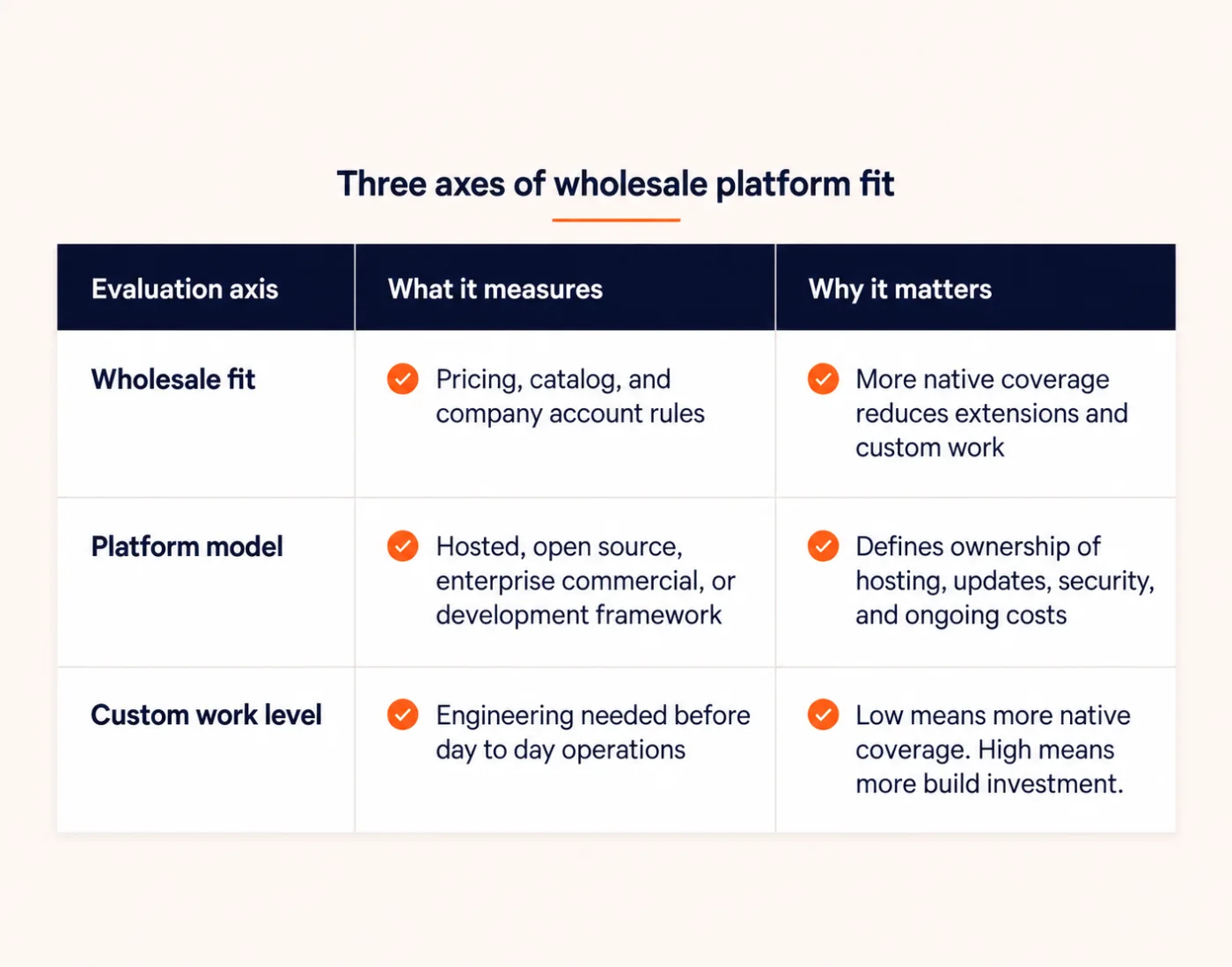
Fig 1 - Three axes of wholesale platform fit
Comparison at a glance
Seven B2B wholesale platforms at a headline level. Each platform name links to its detailed card below.
Table 1 - Seven B2B wholesale platforms compared on model, wholesale fit, custom work level, and main caution
Wholesale fit, the first of the three axes, needs the most detail. A wholesale business runs through specific moments every day where pricing, catalog visibility, inventory, and payments all have to work for the buyer. A platform that covers those moments in its base product reduces downstream cost.
Where it does not, the business pays for the gap in extensions, services, or operations headcount. The eight moments below each name the specific platform capabilities that moment needs.
Agreeing a price with a buyer
Wholesale pricing rarely comes from a single list. A buyer may hold a contract rate from the last annual review, a volume tier that kicks in at 500 units, or a quote the sales team negotiated last quarter. For the platform to show the right price at checkout, these specific pricing rules have to live in the system.
- Customer specific pricing
- Tier and volume pricing
- Negotiated rates attached to each account
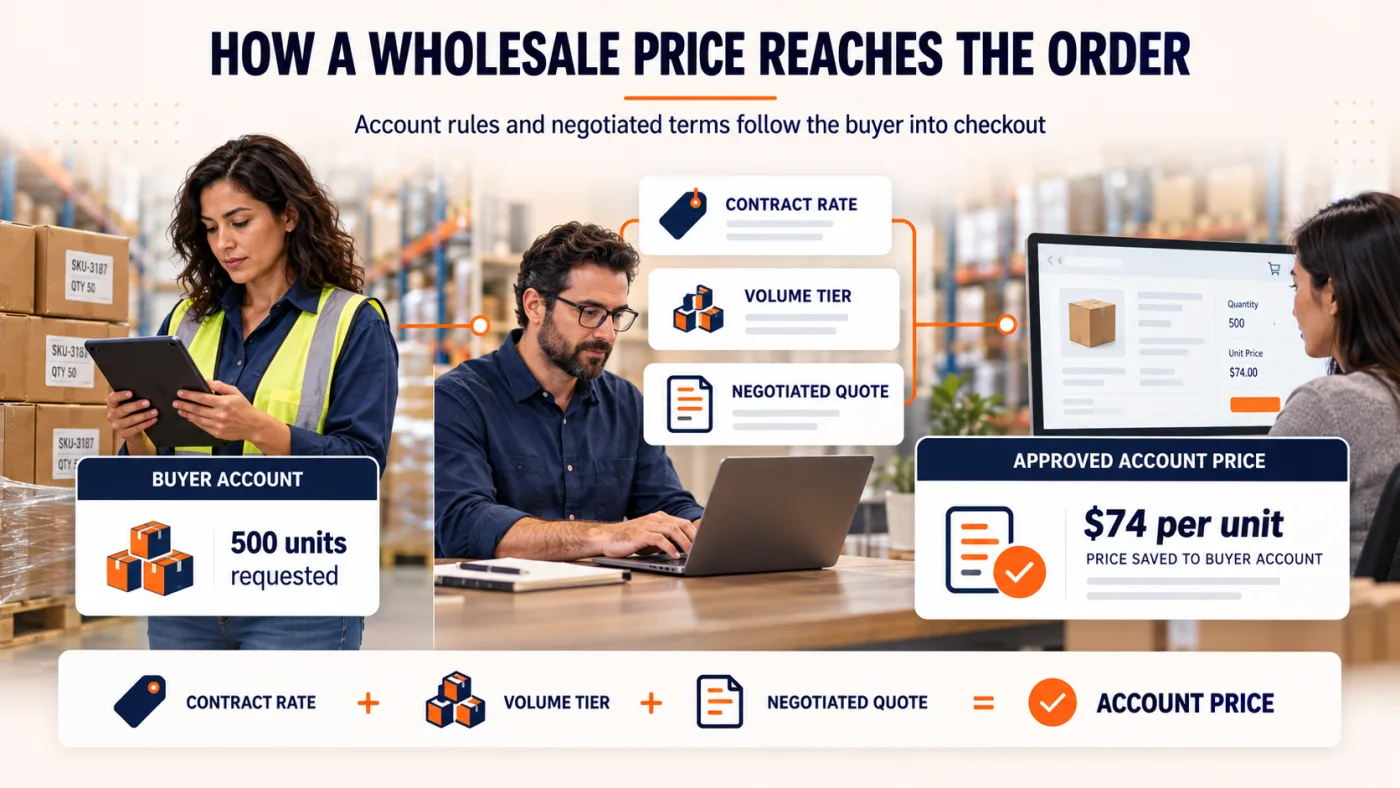
Fig 2 - Mapping a buyer to the right price
Pick a platform without these and the finance team ends up fixing orders after they drop. The buyer sees retail pricing on the invoice, the sales rep sends a corrected amount by email, and reconciliation across the ERP and the storefront becomes a weekly task. For a wholesaler with hundreds of accounts, that gap turns into real cost and real risk of overcharging a key customer.
Showing the right catalog to the right buyer
Wholesale customers do not all see the same catalog. A dealer catalog differs from a direct retail catalog, a regional distributor sees a trimmed list, and a prospect may see nothing at all until the sales team approves them. For the platform to carry that complexity, these control points have to be built in.
- Private catalogs by account
- Product visibility controls per customer
- Hidden prices or SKUs until approval
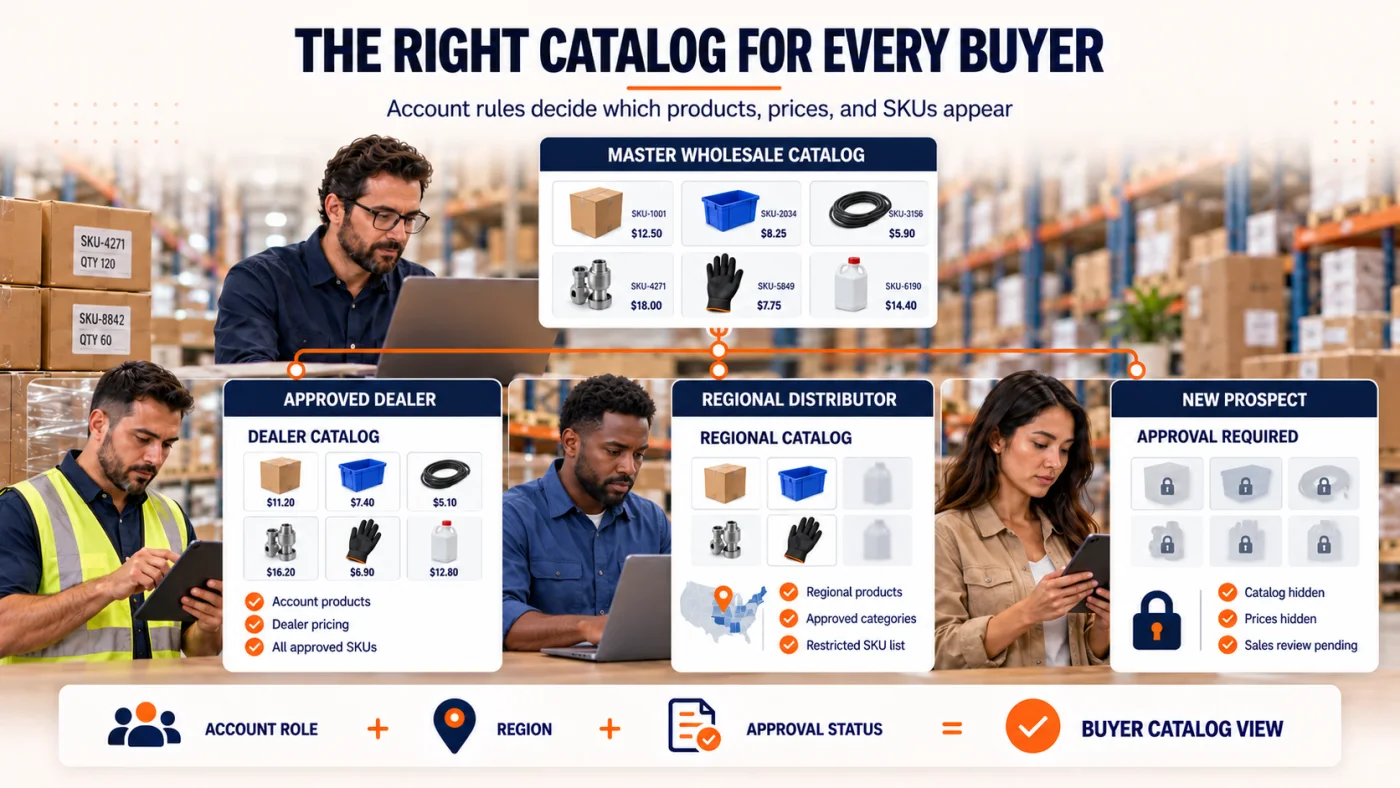
Fig 3 - Visibility by buyer segment
If the platform cannot filter the catalog per account, the business falls back to pricing rules, private pages, or a separate store, and the manual effort to keep each buyer on the right view grows every quarter. The real cost shows up when a dealer finds a reseller SKU they should never have seen, or when a prospect sees pricing that only existing accounts should see.
Taking a large order quickly
A wholesale order often runs 50 or 500 line items. Entering it line by line through a retail cart turns the sales floor into a bottleneck. These are the tools that let a buyer or a sales rep place an order of 500 lines in minutes.
- Quick order forms with SKU lookup
- Spreadsheet upload for new orders
- Saved reorder lists
- Minimum and maximum order quantities per variant
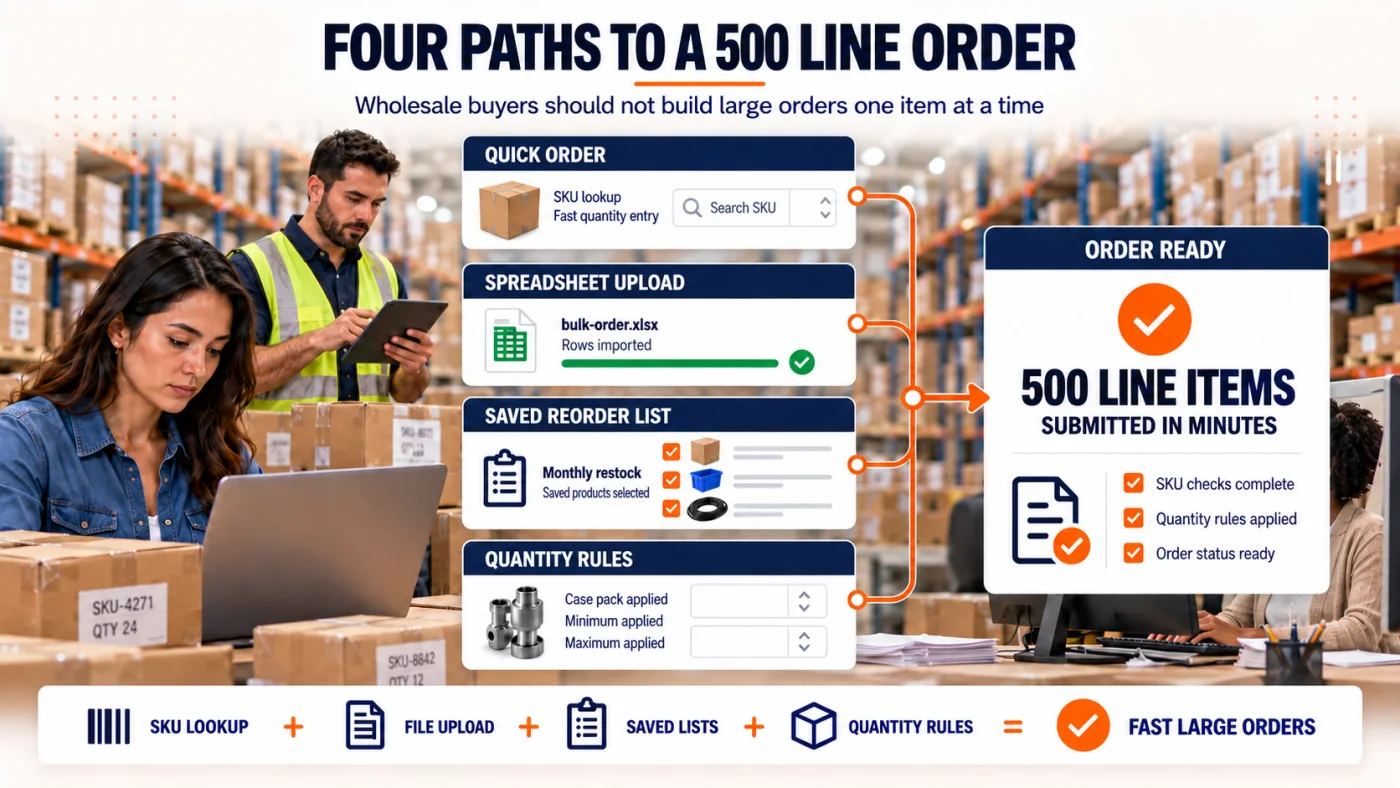
Fig 4 - Large order entry paths
Miss these entry tools and the sales team ends up keying the order themselves, the buyer waits a day for an acknowledgement, and simple reorders need a phone call to find out which SKUs are still active. Every bottleneck in the ordering step costs sales as buyers who cannot place orders quickly start looking at a competitor who can.
Negotiating before the sale
Many wholesale deals need a conversation. A buyer requests a quote, a sales rep adjusts the price and terms, the buyer accepts, and the order closes. For the platform to carry that negotiation inside the system, these capabilities belong in it.
- Quote request flows
- Sales rep approval steps
- Draft orders that lock price and inventory while the buyer decides
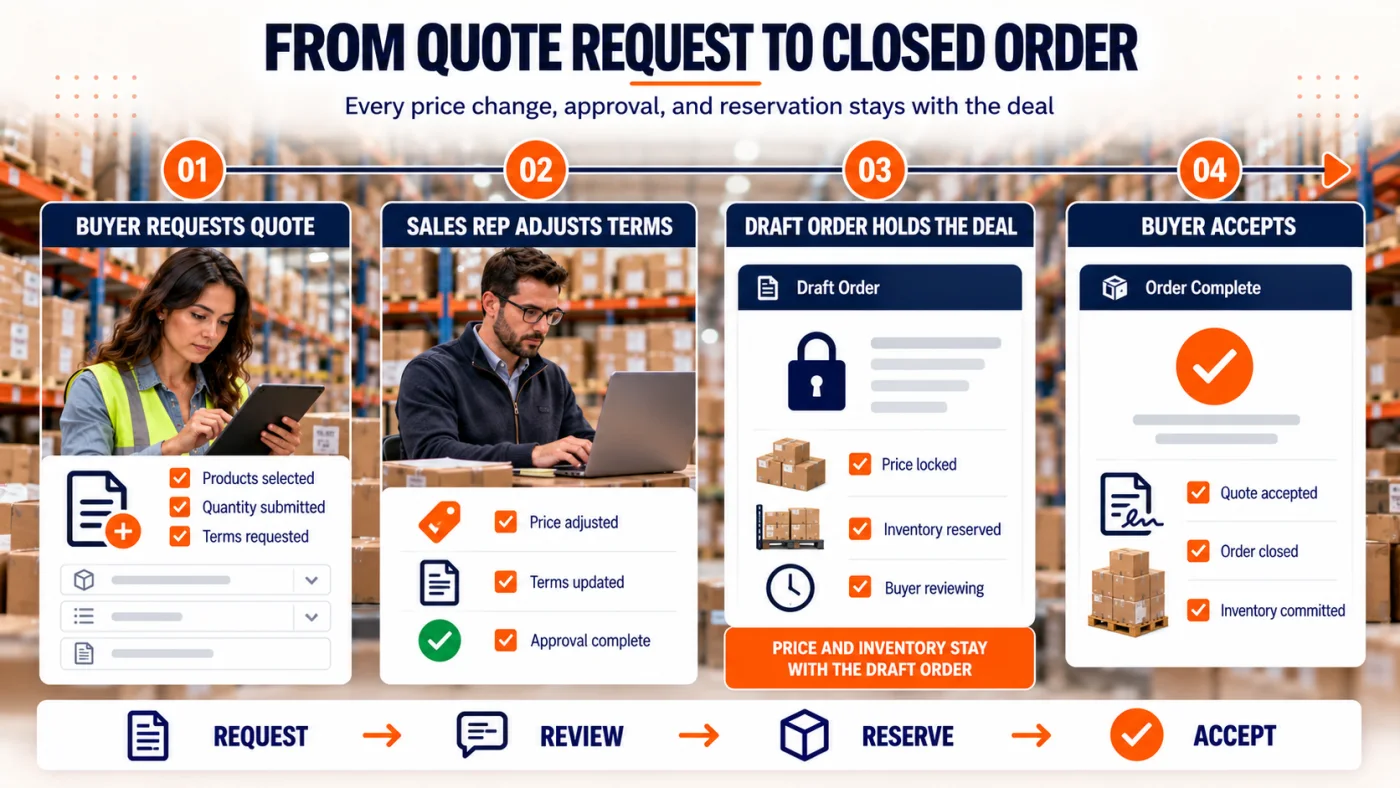
Fig 5 - Quote to order lifecycle
When the quote workflow lives outside the platform, the quote itself sits in an email thread, the sales rep manages the deal from memory, and the inventory the buyer thought was reserved may be sold to someone else before the order confirms. Every negotiation that falls out of the system moves at the speed of the slowest email reply.
Getting paid on wholesale terms
Wholesale rarely runs on a card swipe. Buyers submit purchase order numbers, carry net terms, draw against a credit limit, or settle with a deposit against a scheduled balance. For the finance team to work from one ledger, the platform has to carry these payment capabilities.
- Purchase order fields on every order
- Net terms by customer
- Credit limits with balance tracking
- Tax exemptions by jurisdiction
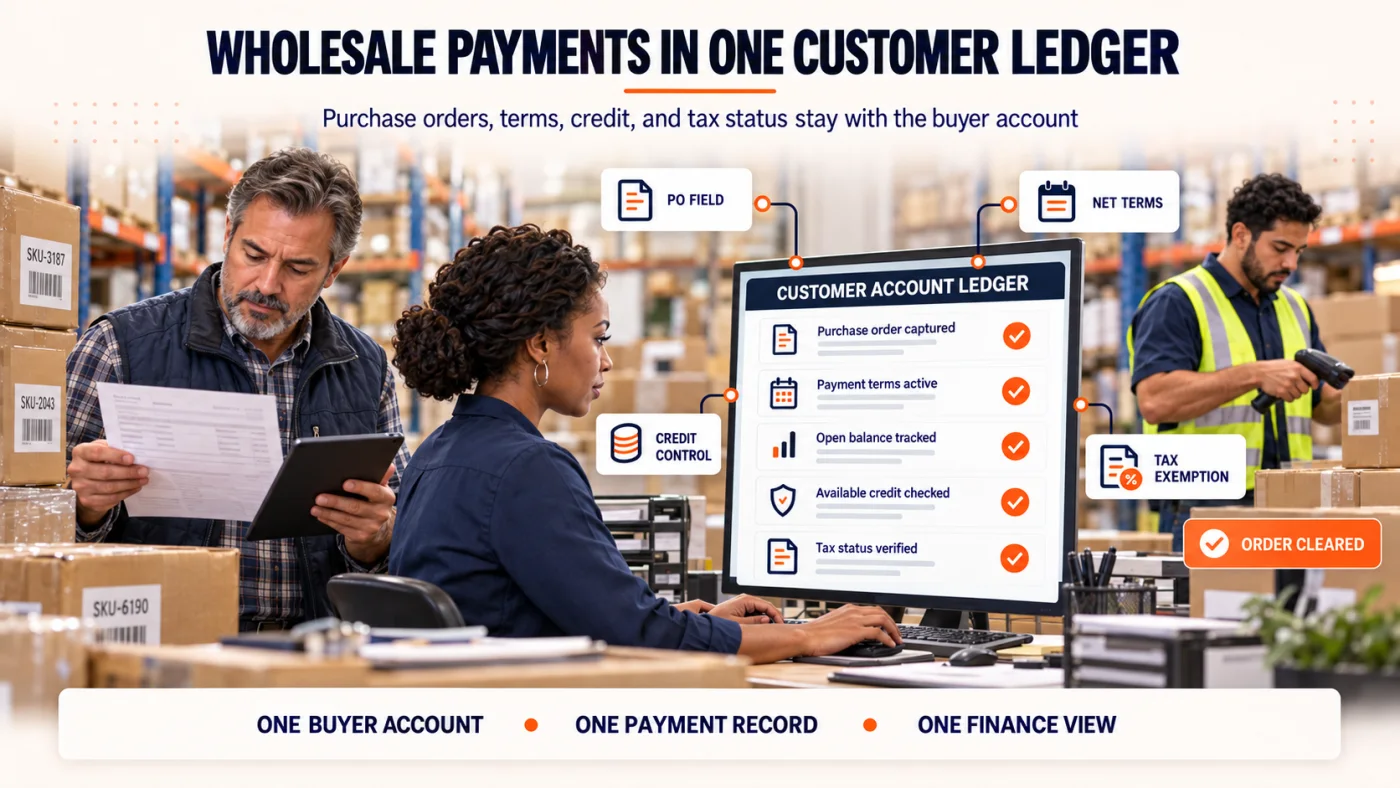
Fig 6 - Wholesale payment capabilities
A platform that cannot track these payment rules forces the accounts team into a parallel ledger in another system, late payments get noticed days later than they should, and a buyer who has exceeded their credit limit can keep placing orders until someone catches it manually. Cash flow suffers, and the finance team spends weekly cycles on reconciliation.
Running a buying company with several buyers
A single customer may have a procurement manager, two location managers, and a finance approver, each with different rights. For the platform to model this correctly, these account capabilities belong in the system.
- Company accounts with multiple buyers
- Buyer roles with permission sets
- Approval chains for orders over a threshold
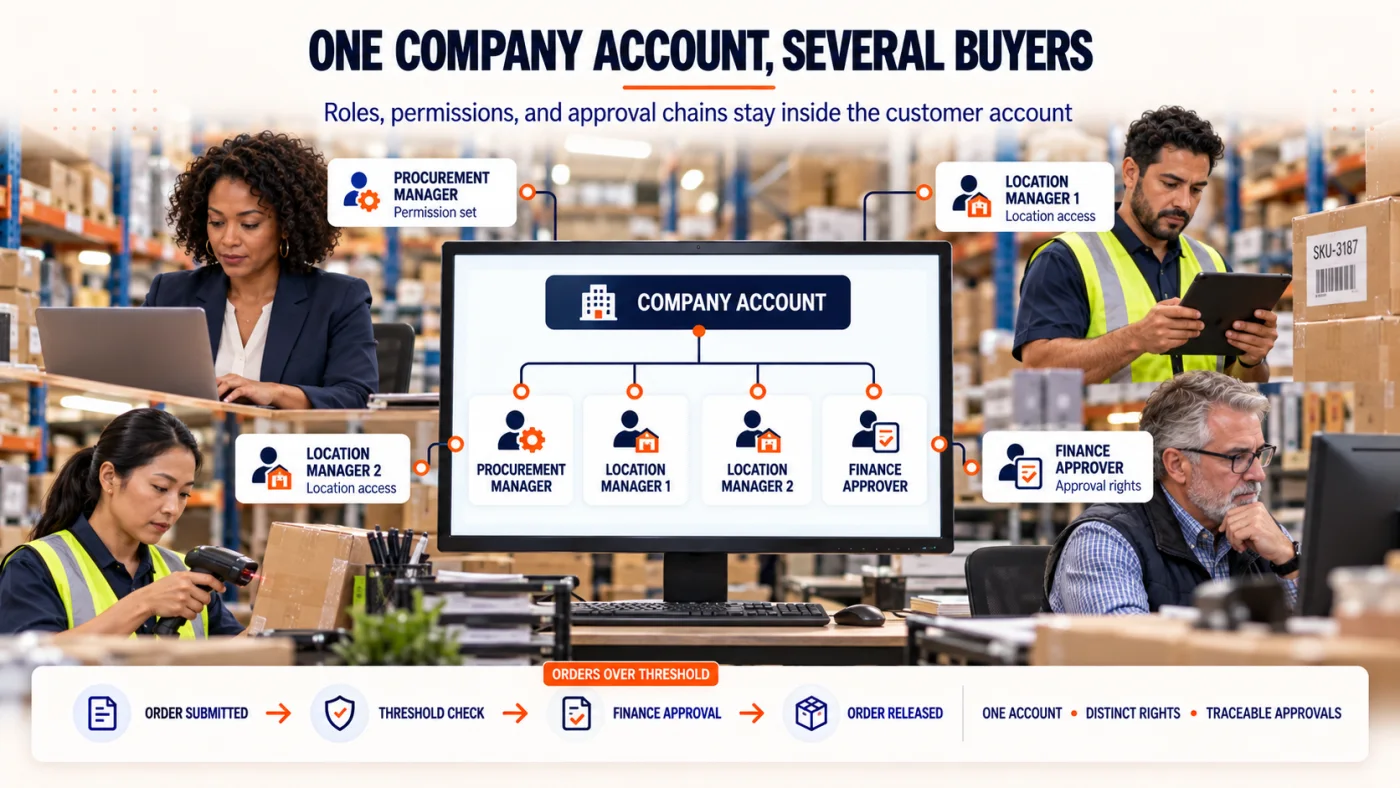
Fig 7 - Company account structure
Where the platform cannot model company accounts, every buyer logs in as the same user, the approval chain happens over email, and audit trails become hard to reconstruct when a disputed order needs review. For enterprise buyers, the lack of a proper company account structure is often reason enough to pick a different supplier.
Fulfilling from several places
Wholesale inventory often sits in two or three warehouses, a drop ship vendor, and sometimes the manufacturer. For the platform to give buyers and the operations team an accurate view, these fulfillment capabilities have to be in place.
- Inventory visibility across sites
- Split shipment routing
- Location level pricing for international orders
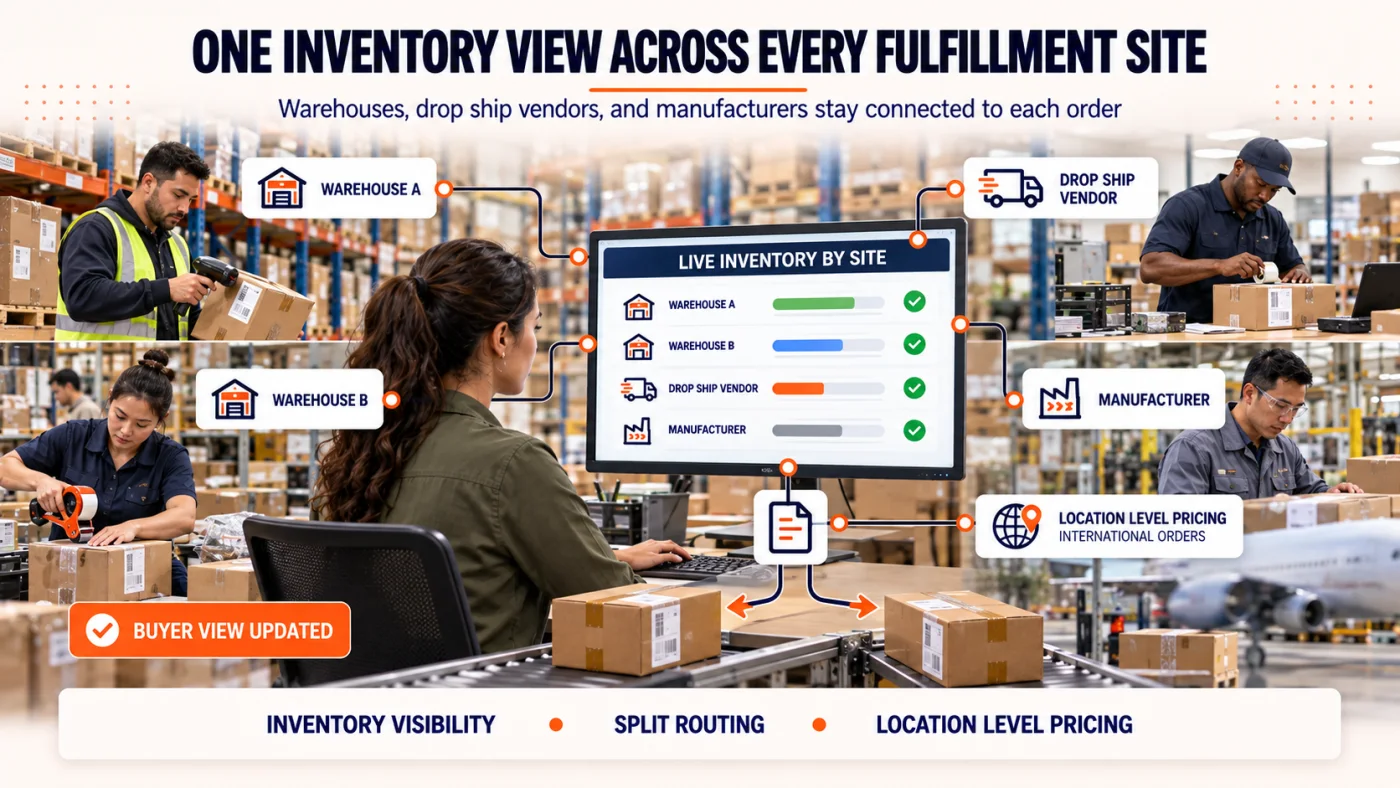
Fig 8 - Inventory across sites
Treating inventory as a single warehouse number leaves the warehouse team allocating stock after the fact, orders oversold during peak demand, and the buyer finding out about a backorder two days later. Every oversell costs a buyer’s trust, and a buyer who cannot rely on inventory numbers starts carrying their own safety stock.
Keeping the systems in sync
Orders flow to the ERP, products arrive from the PIM, inventory updates the catalog, invoices reach the accounting system, and marketplace feeds publish stock. For all of that to happen without a human in the loop, the platform has to expose these integration surfaces.
- Clean APIs for every record type
- Event webhooks for lifecycle changes
- Prebuilt connectors to common commerce systems
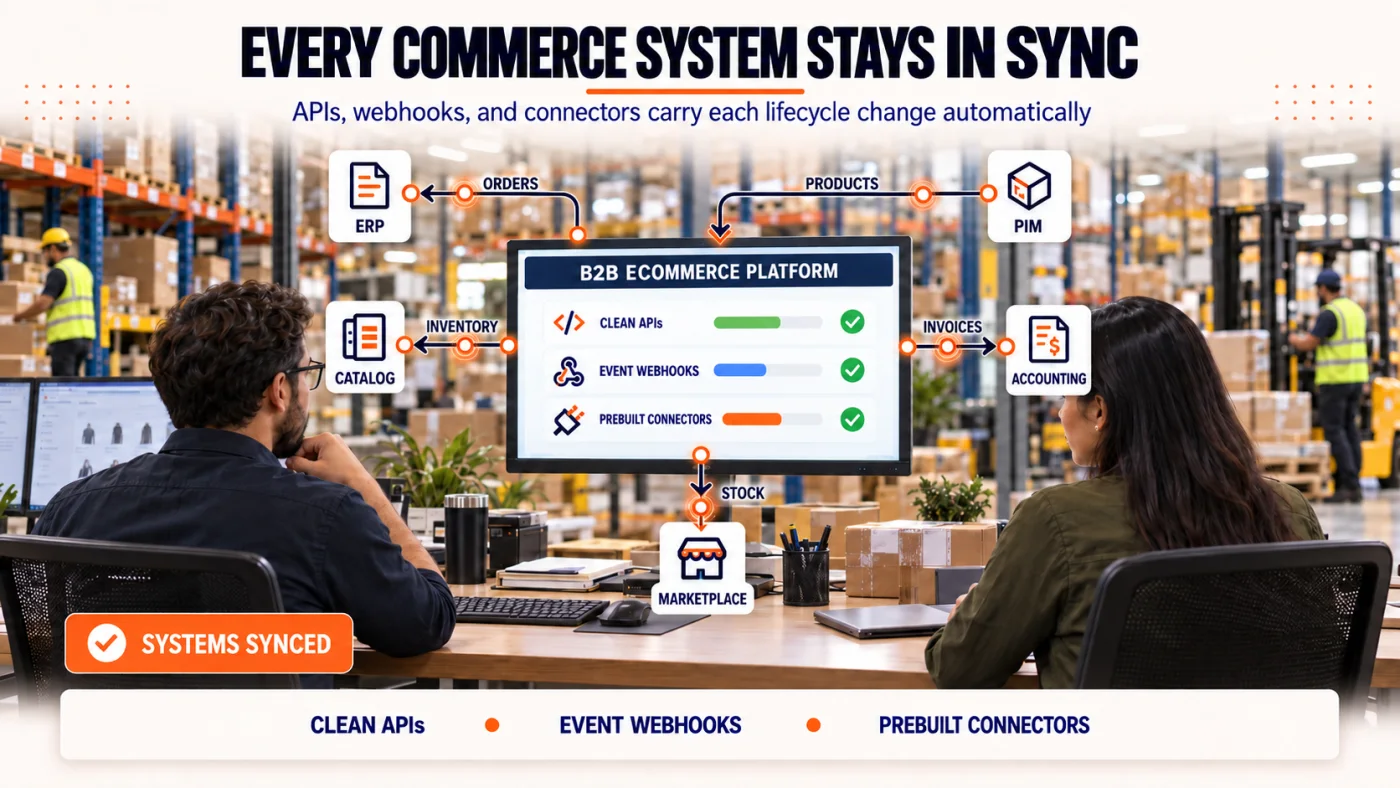
Fig 9 - System sync surface
A thin API surface forces the integrations team to build and maintain a middleware service every year, which runs anywhere from 50 to 200 engineer hours per quarter depending on the number of connections. Every schema change in the ERP, every new product field in the PIM, every new tax rule triggers a code change, and the maintenance cost grows with every system added.
The eight moments add up to one picture, and that picture is specific. Wholesale fit is the sum of how a platform handles pricing, catalog, ordering, negotiation, payment, account structure, fulfillment, and system sync for a buyer who does not look anything like a retail shopper.
The rest of this guide looks at seven platforms through that same picture and shows where each one carries the work and where the business picks it up.
Shopify B2B
Table 2 - Shopify B2B at a glance

Shopify B2B is best suited to
Retail brands that already run on Shopify and want to open a wholesale channel inside the same admin, products, and inventory.
Shopify is a hosted commercial platform that sells four plan tiers, each stepping up in transaction limits, reporting depth, and sales staff seats.
- Basic - Entry tier for new and small merchants.
- Grow - Higher transaction limits and more reporting for merchants moving into steady volume.
- Advanced - Lower transaction fees, deeper reporting, and more staff seats for merchants running at scale.
- Shopify Plus - Enterprise tier for brands with high transaction volume. Carries higher API call limits, more sales staff seats, and checkout extensibility that smaller plans do not include.
- Catalogs and Shopify Markets - A catalog is the Shopify construct that pairs a product selection with customer specific pricing for a given company. On Basic, Grow, and Advanced, catalogs run through the Shopify Markets experience, which groups buyers into segments that share pricing and visibility rules. Plus runs catalogs directly without going through Markets.
B2B functions ship across all four plans, with some advanced controls reserved for Shopify Plus.
Shopify B2B wholesale capabilities
Shopify B2B carries wholesale functions across the whole merchant experience, from the account structure down to the checkout.
- Company accounts - Each company and its locations hold their own payment terms, shipping addresses, catalogs, tax exemptions, and checkout settings.
- Catalogs and pricing - Catalogs set custom pricing and product availability per company. Basic, Grow, and Advanced run up to 3 active catalogs through the Shopify Markets experience, and Plus supports unlimited catalogs with direct location level assignment.
- Payment terms - Net 7 through Net 90 or due on fulfillment, with customer added purchase order numbers on every order.
- Quantity rules - Minimum, maximum, and increment order quantities per variant.
- Volume pricing - Tiered price breaks apply when a buyer orders a set quantity in one order.
- Fast ordering - Quick order lists and reorder from past orders.
- B2B checkout - One page checkout supports draft order review when a company location requires negotiation before confirmation.
Together these let a Shopify merchant run a wholesale channel inside the same admin, products, and inventory as the retail store.
Shopify B2B strengths and limitations
Shopify B2B has clear strengths for brands already on the platform and clear limits that show up at scale.
Table 3 - Shopify B2B strengths and limitations
The strengths play to a brand that wants one admin and simple pricing rules. The limitations push large wholesalers with complex workflows toward Plus or toward a different platform.
How Shopify B2B features are supplied
Company accounts, catalogs, payment terms, quantity rules, volume pricing, quick order lists, and B2B checkout are native across supported plans. Unlimited catalogs, customer specific deposits, partial payments, and some sales staff permissions are a commercial add on through Shopify Plus. Quote workflows, ERP integrations, custom buyer portals, and headless B2B storefronts are custom development, often using third party apps or the Shopify Admin, Storefront, and Customer Accounts APIs.
Shopify B2B integration requirements
ERP, accounting, PIM, and warehouse integrations use the Shopify Admin API, B2B APIs, or a middleware tool. Shopify Flow automates lifecycle tasks such as order tagging and payment reminders. A fully custom buyer experience uses Hydrogen or a headless build on the Storefront and Customer Accounts APIs.
Shopify B2B implementation complexity
Low to medium. A retail brand that already runs on Shopify can turn on B2B, set up companies and catalogs, and transact within weeks. Custom buyer portals, headless storefronts, and ERP integrations shift the project toward medium or higher depending on scope.
Recommended wholesale model for Shopify B2B
Retail brands adding a wholesale channel, direct to retailer or direct to small business sellers who want self serve ordering, consistent catalog pricing, and payment terms inside a familiar admin.
BigCommerce B2B Edition
Table 4 - BigCommerce B2B Edition at a glance

BigCommerce B2B Edition is best suited to
Growing distributors and brands that want a packaged B2B product with company accounts, quotes, and shared lists built in, on a hosted commerce platform that scales with transaction volume.
BigCommerce is a hosted commercial platform with four US plans, Core, Growth, Scale, and Performance. B2B Edition is a separately provisioned application that integrates with the BigCommerce control panel and adds company accounts, sales quotes, invoice management, buyer roles, sales staff tools, shared lists, and the Buyer Portal.
- Core - Self service entry plan with a $30,000 trailing twelve month GMV limit. Accounts automatically move to Growth above that threshold.
- Growth - Self service plan with a $100,000 trailing twelve month GMV limit. Accounts automatically move to Scale above that threshold.
- Scale - Self service plan with a $33,333 monthly GMV allowance and a 0.9 percent charge above that amount. Scale provides 60,000 API calls per hour.
- Performance - Contract plan with custom pricing, custom volume terms, Price Lists, API support, and a Customer Success Manager.
- B2B Edition - Separately provisioned B2B application with company accounts, quotes, invoice management, shared lists, and the Buyer Portal.
B2B Edition uses custom pricing and requires provisioning through BigCommerce. Plan eligibility and commercial terms should be confirmed before publish.
BigCommerce B2B Edition wholesale capabilities
BigCommerce B2B Edition carries wholesale functions through a separately provisioned application that sits on top of the storefront, so a distributor gets these capabilities out of the box.
- Company accounts - Companies can have several buyers. Current standard company roles are Company Administrator, Senior Buyer, and Junior Buyer. Sales staff permissions are managed separately on the backend.
- Customer pricing - Customer groups, SKU pricing, discounts, and catalog controls support account specific offers. Under current US pricing, Price Lists are available on the Performance plan. Price Lists support variant pricing by customer group, sales channel, or both, with optional quantity tiers.
- Quote lifecycle - Buyers request quotes, sales staff adjust products, pricing, shipping, discounts, and expiration terms, and submitted quotes can be purchased by buyers or converted into orders by sales staff.
- Shared shopping lists - Company buyers save and share lists for repeat orders and procurement.
- Invoice portal - Buyers view, track, and pay outstanding invoices from the Buyer Portal, with credit card, ACH, purchase order, partial payment, and multiple invoice payment flows.
- Sales rep assistance - Authorized sales staff enter a company account, prepare quotes, add discounts, manage lists, and place orders for buyers.
- Quote drafts - Sales staff save quotes as drafts, submit finalized versions for buyer review, enable buyer checkout, or convert quotes into manual orders.
- Buyer Portal - Company buyers manage quotes, invoices, orders, shopping lists, and account functions through the Buyer Portal. BigCommerce publishes the Buyer Portal source code for customization. Headless support is available, with the current App Marketplace listing still carrying a beta label.
These capabilities cover the main account, quote, purchasing, and invoice workflows required by many distributors. ERP connections, specialized approval rules, and custom buyer experiences may still require apps, integration work, or development.
BigCommerce B2B Edition strengths and limitations
BigCommerce B2B Edition has strong wholesale depth for distributors and clear boundaries tied to how the Edition is provisioned and priced.
Table 5 - BigCommerce B2B Edition strengths and limitations
The strengths play to distributors that need quotes, roles, and shared lists on day one. The limitations push smaller wholesalers toward packaged alternatives and large wholesalers toward Performance contracts.
How BigCommerce B2B Edition features are supplied
Company accounts, quotes, shared shopping lists, invoice management, sales staff access, and the Buyer Portal are supplied through B2B Edition. Customer groups, Price Lists, catalog functions, and reporting also depend on the underlying BigCommerce plan. Existing apps or connectors may cover common ERP and accounting requirements. Custom buyer portals, specialized approval flows, and headless storefronts require development using the BigCommerce APIs and B2B Edition APIs.
BigCommerce B2B Edition integration requirements
ERP, accounting, PIM, and warehouse integrations may use a marketplace app, a BigCommerce integration partner, a middleware tool, or custom API development through the BigCommerce REST and GraphQL APIs. BigCommerce supports webhooks for commerce events. Apps and integrations for ERP, CRM, PIM, WMS, accounting, shipping, and other systems are available through the BigCommerce App Marketplace. Connector availability and supported data flows vary by system. A fully custom buyer experience uses the Storefront API or the open source Buyer Portal code.
BigCommerce B2B Edition implementation complexity
Medium. A standard implementation includes B2B Edition provisioning, company setup, buyer roles, customer pricing, quote configuration, invoice settings, and Buyer Portal branding. Complexity rises when the project includes data migration, ERP synchronization, custom account approval rules, or a headless storefront. Typical Clixlogix estimate is four to eight weeks for an existing BigCommerce store with clean product data, standard Buyer Portal branding, and no major ERP migration. This range is Clixlogix’s estimate. BigCommerce does not publish a standard implementation timeframe.
Recommended wholesale model for BigCommerce B2B Edition
Growing distributors and manufacturers that want a packaged B2B product with company accounts, quote lifecycle, and shared lists out of the box, on a hosted platform that scales with transaction volume.
Adobe Commerce B2B
Table 6 - Adobe Commerce B2B at a glance

Adobe Commerce B2B is best suited to
Enterprise wholesalers, manufacturers, and distributor networks that need complex customer catalogs, company structures, negotiated quotes, company credit, bulk ordering, and formal purchase order approval processes.
Adobe Commerce is a commercial commerce platform built from the Magento technology base. Current Adobe offerings include two main cloud deployment models and supported on premises deployments.
- Magento Open Source - Free commerce software that merchants host and maintain themselves. Magento Open Source provides the core catalog, cart, checkout, order, and customer functions. Magento Open Source does not support Adobe Commerce B2B.
- Adobe Commerce as a Cloud Service - Multi tenant SaaS product with automatic feature and security updates, elastic scaling, and Adobe managed infrastructure.
- Adobe Commerce on Cloud - Single tenant PaaS product on dedicated cloud infrastructure. Adobe manages the hosted platform. The merchant manages application patches, custom code, configuration, extensions, and supported service versions.
- Adobe Commerce on premises - Commercial Adobe Commerce software hosted by the merchant or a hosting provider. The merchant or provider manages the infrastructure, application updates, patches, and operations.
- Adobe Commerce B2B - Commercial B2B capabilities covering company accounts, shared catalogs, negotiable quotes, requisition lists, quick ordering, purchase orders, approvals, and company credit.
For Adobe Commerce on Cloud and Adobe Commerce on premises, the B2B capabilities ship as a separate extension that merchants install after Adobe Commerce. Magento Open Source does not support the Adobe Commerce B2B extension. Feature availability varies between SaaS and PaaS deployments. Verify specifics against the chosen deployment.
Adobe Commerce B2B wholesale capabilities
Adobe Commerce B2B carries deep wholesale functions once the commercial license, B2B entitlement, and relevant configuration are in place.
- Company accounts - Multiple buyers operate under one company account. Company administrators create teams, divisions, users, and reporting structures that reflect the customer organization.
- Company hierarchies - Related businesses, subsidiaries, franchises, or locations sit under a parent company, with selected settings applied across the organization.
- Roles and permissions - Company administrators create custom roles and assign permissions for checkout, orders, quotes, company profiles, credit information, purchase orders, and approval rules.
- Shared catalogs - Public and private catalogs control which products and categories buyers see. Merchants assign custom shared catalogs to selected company accounts.
- Custom catalog pricing - Merchants configure company specific product pricing within shared catalogs.
- Negotiable quotes - Authorized buyers and sales representatives create quotes, adjust products and quantities, propose discounts, exchange comments, and continue negotiations until the two sides reach agreement. Quotes begin as drafts and convert into orders after acceptance.
- Requisition lists - Buyers maintain reusable lists of frequently purchased products and add those products to the cart for repeat ordering.
- Quick Order - Buyers enter several SKUs manually or import SKU and quantity data into the Quick Order form. Current Adobe Storefront components also support CSV upload for bulk orders.
- Purchase orders - Company purchases enter a purchase order process before becoming sales orders. Depending on payment method and approval status, an approved purchase order converts automatically or returns to the buyer for payment information.
- Purchase order approval rules - Approval rules consider order total, shipping cost, number of SKUs, company role, manager relationship, and designated approvers.
- Company credit - Payment on Account lets qualified companies buy against a company credit line. Administrators configure credit limits, available balances, outstanding balances, credit currency, and permission to exceed the assigned limit.
Purchase Order is also a standard offline payment method available in Adobe Commerce and Magento Open Source. The Adobe Commerce B2B purchase order function adds company permissions, approval processes, and conversion into sales orders.
These capabilities cover complex account structures, restricted catalogs, negotiated sales, bulk ordering, company credit, and controlled procurement. External system synchronization and organization specific workflows typically require marketplace extensions, middleware, App Builder applications, or custom development.
Adobe Commerce B2B strengths and limitations
Adobe Commerce B2B carries a wide set of wholesale functions, with commercial and technical responsibilities that vary across deployment models.
Table 7 - Adobe Commerce B2B strengths and limitations
The strengths suit enterprise wholesalers with formal purchasing controls and complex account requirements. The commercial and technical commitment generally requires a substantial implementation and maintenance budget.
How Adobe Commerce B2B features are supplied
Company accounts, company structures, custom company roles, shared catalogs, negotiable quotes, requisition lists, quick ordering, company credit, purchase orders, and approval rules are Adobe Commerce B2B capabilities.
For Adobe Commerce on Cloud and on premises deployments, B2B ships through a separate installation package. B2B functions require installation, enablement, and configuration before use. Adobe’s B2B installation documentation lists Adobe Commerce as a requirement.
The core catalog, cart, checkout, order, customer, and payment functions exist across Adobe Commerce and Magento Open Source. The commercial B2B extension adds company purchasing and procurement functions.
Adobe Commerce Intelligence is an add on and is not included with every Adobe Commerce license. The current Adobe package comparison lists Commerce Intelligence as an add on across the Cloud Service and Cloud (PaaS) packages.
ERP, CRM, PIM, accounting, tax, shipping, and warehouse connections may use a marketplace connector, Adobe integration starter kit, middleware product, App Builder application, or custom API work. Adobe Commerce integrations and the Adobe Commerce Marketplace provide starting points for connector research.
Adobe Commerce B2B integration requirements
Integration architecture depends on the selected Adobe Commerce deployment.
- REST APIs - Available for SaaS and PaaS deployments. Endpoint coverage differs between Adobe Commerce as a Cloud Service and Adobe Commerce on Cloud.
- GraphQL APIs - Primary interface for storefront development, customer experiences, catalog access, carts, checkout, and supported B2B functions.
- Adobe I/O Events - Asynchronous event delivery for workflows such as sending order or catalog changes to an ERP.
- Adobe Commerce webhooks - Synchronous HTTP callbacks for business validation and external system communication. Configuration differs across SaaS, PaaS, and on premises environments.
- Adobe Developer App Builder - Integration runtime for external applications that communicate with Commerce through APIs, events, webhooks, and supported extension points.
- Message Queue Framework - Queued processing for PaaS and on premises deployments.
- PWA Studio - Tools and libraries for developing a Progressive Web Application storefront on Adobe Commerce or Magento Open Source.
- Adobe Commerce Storefront - Adobe Commerce as a Cloud Service uses a fully headless storefront architecture with commerce data exposed through GraphQL.
Adobe promotes prebuilt connectors through the Adobe Commerce Marketplace. Each connector requires verification for supported records, synchronization direction, update frequency, deployment compatibility, and vendor support. Marketplace availability does not establish direct Adobe development or support for every connector.
Adobe Commerce B2B implementation complexity
Medium to high. A standard Adobe Commerce B2B implementation includes commercial provisioning, B2B installation, company account setup, roles, shared catalogs, custom pricing, negotiable quotes, requisition lists, company credit, purchase orders, approval rules, storefront development, and external system connections.
Complexity increases with multiple websites, brands, currencies, customer groups, parent company hierarchies, large catalogs, ERP synchronization, custom checkout requirements, data migration, marketplace extensions, and headless development.
Typical Clixlogix estimate is twelve to twenty four weeks for a new Adobe Commerce B2B implementation with defined requirements, prepared product data, standard B2B workflows, and a limited number of established integrations. This duration is a Clixlogix planning estimate. Adobe does not publish a universal implementation timeframe.
SaaS and PaaS projects require different implementation assumptions. SaaS removes manual core upgrades and infrastructure maintenance. PaaS gives the merchant greater application control and continuing responsibility for custom code, patches, extensions, configuration, and supported service versions.
Recommended wholesale model for Adobe Commerce B2B
Enterprise wholesalers, manufacturers, and distributor networks that need company structures, restricted catalogs with custom pricing, negotiated quotes, company credit, bulk order entry, purchase order approvals, and extensive integration options.
Adobe Commerce fits organizations prepared to fund commercial licensing, specialist implementation, integration work, and continuing platform management. Magento Open Source supports custom wholesale development through extensions and engineering. The commercial B2B extension does not install on the free edition.
osCommerce v4
Table 8 - osCommerce v4 at a glance

osCommerce v4 is best suited to
Small and mid sized US wholesalers, manufacturers, and distributors that want ownership of their commerce code and need customer group pricing, gated catalogs, trade registration, and specialized payment methods.
osCommerce fits companies with access to an internal developer or implementation partner. Wholesalers requiring several buyers under one company, formal spending approvals, contract credit management, or extensive large order tools should expect custom development.
osCommerce v4 is a free open source commerce platform that merchants can host and modify. The merchant controls the code, database, hosting arrangement, and update schedule. osCommerce states that the platform charges no platform payment processing fee.
The product has four relevant parts.
- osCommerce v4 core - The core commerce engine covers products, pricing, checkout, content management, themes, and multiple frontends. The official source repository publishes the code and identifies GNU GPL v2 in its license file.
- Wholesale App Pack - The official Wholesale App Pack adds customer pricing groups, group and customer price lists, hidden prices, login restricted catalogs, trade registration, and special payment methods. The pack is listed at $999 with one year of support.
- Individual modules - Wholesale functions can also come from separate App Shop modules. The official extensions directory lists modules for quotations, promotions, personal catalogs, customer fields, reports, and other store functions.
- Enterprise services - The Enterprise offering adds commercial services and functions such as supplier management, warehouse management, stock management, import and export routines, backend roles, custom reporting, and broader integration support. Pricing is not publicly listed.
Optional osCommerce hosting starts at $4.99 per month. Managed cloud plans are listed from $19.99 per month. A merchant can also use another hosting provider.
osCommerce v4 license and production use
The v4 license file combines GNU GPL v2 with additional terms. The additional terms state that osCommerce v4 is not a complete fully tested E-commerce solution, and as such may only be used for testing purposes and at your own risk. The main osCommerce site positions v4 as the current product, so a buyer should obtain written confirmation covering the production distribution, the supported release, the security update process, paid module rights, and commercial support terms before a commercial implementation.
osCommerce v4 wholesale capabilities
osCommerce covers several foundational wholesale requirements through the Wholesale App Pack and individual modules.
- Customer pricing - The Wholesale App Pack supports B2B price groups, discounts, group pricing lists, and pricing assigned to individual customers.
- Restricted prices and products - The same pack supports hiding prices and restricting prices or the product catalog to signed in customers. These controls can support a trade only storefront. Public documentation does not establish private catalogs assigned separately to individual company accounts.
- Trade account onboarding - The Wholesale App Pack includes a trade customer registration form. A separate Trade Form module collects company, contact, banking, discount, trade reference, and declaration information.
- B2B payment methods - The pack supports payment methods assigned to B2B customers. Exact support for net terms, company credit limits, account balances, aging, and credit holds should be confirmed during implementation.
- Quote negotiation - A separate Quotations module allows customers and sellers to negotiate pricing before payment. The module appears in the official extensions documentation. It should not be described as part of the free core unless osCommerce confirms the current pack contents.
- Volume promotions - The separate Promotions module supports quantity based discounts, minimum quantities, cart discounts, category promotions, coupon rules, and order limits.
- Multiple storefronts - The v4 repository lists multiple frontends among the platform capabilities. This can support separate trade, retail, regional, or brand storefronts from a shared implementation.
The current public documentation does not confirm company buyer hierarchies, buyer permission sets, order approval thresholds, customer CSV order upload, or a dedicated large order grid as standard Wholesale App Pack capabilities. Those requirements should be treated as custom development until osCommerce confirms otherwise.
osCommerce v4 strengths and limitations
Table 9 - osCommerce v4 strengths and limitations
The strengths favor wholesalers that value code ownership and can fund development. The limitations become material when a buyer needs company hierarchies, procurement approvals, credit management, large order entry, and documented enterprise support.
How osCommerce v4 features are supplied
Core catalog management, checkout, themes, content management, product configuration, and multiple frontends are supplied through osCommerce v4.
Customer groups, group pricing, individual customer pricing, hidden prices, login restricted catalogs, trade registration, and specialized payment methods are marketed through the Wholesale App Pack. The current pack page lists a $999 purchase price and $299 annual support renewal.
Quote negotiation, promotions, personal catalogs, additional customer fields, reporting, and similar functions come from separate modules documented in the osCommerce extensions directory. Buyers should request a written list of modules included in the current Wholesale App Pack before comparing the price with other platforms.
Supplier management, warehouse management, stock controls, backend roles, custom reporting, integration services, and ongoing maintenance are associated with the osCommerce Enterprise product. Those capabilities are not part of the free core by default.
Company account hierarchies, buyer roles, spending approvals, large order entry, CSV ordering, contract credit controls, custom sales representative portals, and specialized US tax or freight workflows should be scoped as custom development unless a current module can be demonstrated.
osCommerce v4 integration requirements
The official API guide describes API keys, access permissions, and SOAP service endpoints. Each ERP, PIM, warehouse, accounting, and marketplace connection should be checked against the records and operations available through that interface.
The official repository references plugins for Amazon, eBay, Sage, QuickBooks, Exact, and MYOB. Availability, supported versions, US product coverage, synchronization direction, and maintenance status should be verified for each connector before inclusion in project scope.
A US wholesale implementation should separately validate support for ACH payments, sales tax services, resale certificates, address validation, LTL freight, customer credit, accounting synchronization, and the chosen ERP. Middleware or custom services may be required when a maintained connector does not cover the required records.
osCommerce v4 implementation complexity
Medium to high. A standard project includes hosting setup, server configuration, deployment, theme development, catalog migration, customer group creation, Wholesale App Pack installation, payment setup, shipping rules, testing, backups, monitoring, and staff training.
Complexity rises when the project includes company buyer structures, approval chains, ERP synchronization, customer credit, large order entry, several storefronts, or custom sales representative tools.
Typical Clixlogix estimate is eight to sixteen weeks for a greenfield osCommerce v4 wholesale store using the official Wholesale App Pack, prepared catalog data, standard theme work, and one or two established integrations. This range is a Clixlogix estimate. osCommerce does not publish a standard implementation timeframe.
Before production use, the implementation agreement should identify the supported v4 distribution, update channel, security maintenance process, paid module license terms, and production support commitment. The repository license file contains testing related language that requires direct clarification from osCommerce.
Recommended wholesale model for osCommerce v4
Small and mid sized US wholesalers, manufacturers, and distributors that need customer group pricing, customer specific price lists, hidden trade pricing, restricted catalogs, trade account registration, and selected custom workflows.
osCommerce is a better match for developer led businesses that value code and hosting control. Wholesalers needing enterprise company hierarchies, buyer permissions, formal approval chains, large order entry, and account credit management should budget for substantial custom development or evaluate a more complete B2B suite.
PrestaShop
Table 10 - PrestaShop at a glance

PrestaShop is best suited to
Small and mid sized US wholesalers, manufacturers, and distributors that want an open source store with customer groups, customer specific pricing, quantity discounts, hidden trade prices, credit allowances, payment deadlines, and several storefronts.
PrestaShop suits wholesalers with relatively simple buyer account structures and access to a development partner. Companies requiring several buyers under one business account, formal order approvals, quote negotiation, shared purchasing lists, or advanced warehouse allocation should budget for modules and custom work.
PrestaShop provides two main commercial routes.
- Classic - The Classic offer provides the open source software as a free download. The merchant selects hosting, manages the server, installs updates, and controls the code and data. PrestaShop 9.2 is the current stable Classic release.
- Hosted - The Hosted offer includes installation, 50 GB hosting, essential modules, themes, and support six days per week. The published price is €24 excluding VAT per month with annual billing or €29 excluding VAT with monthly billing. The offer page states that Hosted stores run on PrestaShop 8.
The official source repository shows an active project with extensive public development history. The license file assigns OSL 3.0 to the core and AFL 3.0 to PrestaShop modules.
For a new US wholesale implementation, the Classic offer on PrestaShop 9.2 is the more suitable evaluation target. The Hosted offer uses PrestaShop 8 and packages several services aimed at general online retail.
PrestaShop wholesale capabilities
PrestaShop carries more native wholesale pricing and account credit functions than many open source retail platforms.
- B2B customer records - Activating B2B mode adds company name, company identifiers, website, authorized credit, maximum payment days, and risk rating to customer records. French fields such as SIRET and APE can be ignored or replaced for a US implementation.
- Customer specific pricing - The specific price system can assign a fixed price or discount by customer, customer group, country, currency, quantity, and date range. This supports individual contract prices and volume breaks without a separate wholesale module.
- Customer groups - The customer group controls support store wide discounts, category discounts, tax included or tax excluded price display, hidden prices, and module access restrictions. Customers can belong to several groups, with one group assigned as the default.
- Volume pricing - Specific prices can start at a defined purchase quantity. Catalog price rules apply price reductions across groups of products using conditions such as customer group, country, currency, and minimum quantity.
- Minimum order quantities - Product and variant records support a minimum quantity for sale. The stock configuration guide also covers stock quantities, low stock thresholds, and location labels.
- Hidden trade pricing - Customer groups can prevent visitors or selected users from seeing prices. The price visibility guide describes this configuration for confidential and negotiated pricing.
- Credit allowances - Native B2B mode records an allowed outstanding amount, maximum payment days, and risk rating for each professional customer. The outstanding balance screen gives the finance team a view of purchases made against those allowances.
- Several storefronts - The multistore system manages several front offices from one back office. Stores can use different domains, themes, catalogs, currencies, and configurations. Store groups can also share customers, orders, or available quantities when configured accordingly.
- United States localization - The localization settings provide a United States pack containing state, currency, tax, language, and unit data. PrestaShop describes the tax functions as basic support, so automated nexus calculations and resale certificate validation require further scoping.
The native production model still treats each buyer as an individual customer. Several buyers under one company, shared purchasing controls, buyer permissions, and approval thresholds require custom development or a Marketplace module.
PrestaShop 9.2 introduces an improved B2B foundation with native business entities, B2B customer profiles, B2B addresses, and role based buyer access. The developer documentation places the capability behind the improved_b2b feature flag, which is in beta and disabled by default. PrestaShop states that the improved B2B mode is under heavy development, that the database schema and APIs are expected to change before the final release, and that it does not recommend building on it yet. Current production projects should not depend on that function.
PrestaShop strengths and limitations
Table 11 - PrestaShop strengths and limitations
The pricing and credit controls fit wholesalers with straightforward customer accounts. The missing procurement structure raises the development requirement for larger distributors.
How PrestaShop features are supplied
Customer groups, customer specific pricing, quantity pricing, catalog price rules, hidden prices, B2B customer fields, credit allowances, outstanding reporting, minimum quantities, multistore management, and basic stock tracking are native PrestaShop functions.
PrestaShop 9.2 also supplies a native one page checkout and Extra Properties for adding custom fields to core records. Extra Properties can help a developer add wholesale data fields without modifying core files.
Company buyer structures, quote requests, sales representative tools, quick order forms, bulk product entry, purchase order numbers, shared purchasing lists, and approval flows generally come from the official PrestaShop Marketplace or custom development.
For example, the Marketplace lists a company account module for grouping buyers under a business account. Marketplace listings also include a quick order form aimed at bulk purchasing. These are third party modules, so version compatibility, security maintenance, vendor support, renewal cost, and interaction with other modules must be checked before selection.
The improved company and buyer role model under PrestaShop 9.2 should be treated as future functionality until PrestaShop removes the beta status and publishes stable implementation documentation.
PrestaShop integration requirements
PrestaShop 9 provides two integration surfaces.
The Admin API uses API Platform 3, OAuth authorization, and business focused endpoints based on CQRS commands. The API is enabled by default in PrestaShop 9 and requires HTTPS in production.
The established Webservice API provides CRUD access to resources such as customers, groups, products, addresses, carts, orders, invoices, payments, carriers, and stock records.
The hook system lets modules respond to events such as order creation or insert functions into the storefront and back office. External webhooks, message queues, and real time ERP synchronization may require an integration module or custom middleware.
A US wholesale project should validate connectors for the chosen ERP, PIM, accounting system, sales tax service, payment provider, warehouse system, shipping carriers, and marketplaces. Data ownership and an available API do not guarantee that every required connector is already maintained.
PrestaShop implementation complexity
Medium to high. A standard PrestaShop wholesale implementation includes hosting, deployment, theme development, US localization, customer groups, specific prices, quantity rules, credit settings, payment methods, shipping rules, catalog migration, security controls, backups, monitoring, and staff training.
Complexity increases with company buyer accounts, approval chains, quote workflows, purchase order checkout, customer contract imports, sales tax automation, ERP synchronization, several storefronts, or warehouse routing.
Typical Clixlogix estimate is eight to sixteen weeks for a greenfield PrestaShop 9.2 wholesale store with prepared catalog data, standard B2B pricing, one storefront, Marketplace modules for selected gaps, and one or two established integrations. This range is a Clixlogix estimate. PrestaShop does not publish a standard wholesale implementation timeframe.
Module compatibility should be tested in staging before release. The PrestaShop 9.2 release guidance recommends backups, staging tests, and compatibility reviews for themes and modules before upgrading.
Recommended wholesale model for PrestaShop
Small and mid sized US wholesalers, manufacturers, importers, and distributors that need customer specific prices, volume discounts, hidden trade prices, minimum quantities, credit allowances, payment deadlines, and direct ownership of their store.
PrestaShop works best when each trade buyer can operate through an individual customer account. Companies requiring several buyers per business, shared budgets, formal approval chains, negotiated quote lifecycles, spreadsheet order uploads, and warehouse allocation should expect a module based or custom build.
nopCommerce
Table 12 - nopCommerce at a glance

nopCommerce is best suited to
US wholesalers, distributors, and manufacturers that want source code ownership, role based pricing, restricted catalogs, quote negotiation, assisted ordering, and multi warehouse inventory, backed by an internal or agency team familiar with Microsoft technologies.
nopCommerce is an open source, self hosted commerce platform built on ASP.NET Core. The official source repository supports Windows, Linux, macOS, Docker, SQL Server, PostgreSQL, and MySQL. Version 4.90.8 is the current stable production release reviewed for this comparison.
The platform runs under the nopCommerce Public License, which combines AGPL 3.0 with an additional requirement to display “powered by nopCommerce” attribution linking back to the nopCommerce site on every user interface screen. Businesses that cannot accept the public license conditions can request a commercial license from nopCommerce.
The core software has no license fee. Removing the required attribution costs $500 for one site URL, with a wildcard key at $1,500 covering subdomains or subfolders on one domain. Optional premium support costs $499 for three months or $999 for one year and carries a stated response time of one business day.
The official nopCommerce Web API plugin costs $1,400 per store URL and includes source code. The first purchase includes twelve months of fixes and version upgrades. Continued access to updates requires renewal, priced at 50 percent of the original price within the stated renewal window.
nopCommerce wholesale capabilities
nopCommerce covers several important wholesale workflows through a combination of core functions and official plugins.
- Role and volume pricing - Native tier pricing assigns a price to a quantity threshold, customer role, store, and date range. The cart applies the appropriate tier automatically when the required quantity is reached.
- Wholesale customer groups - Native customer roles group buyers and can carry discounted pricing, tax exemption, free shipping, and tax display settings.
- Private catalogs - Individual products and categories can be limited to selected customer roles. This supports dealer catalogs, distributor catalogs, and products hidden from retail customers.
- Quote negotiation - The free official Request for Quote and Quotes plugin lets a buyer submit cart contents with proposed quantities and unit prices. An administrator can edit the request, prepare a quote, set an expiration date, and send the offer. An accepted quote creates a checkout cart containing the quoted products and prices.
- Sales rep ordering - The native customer impersonation function lets an authorized administrator enter the storefront as a customer and complete an order. This supports phone orders and sales rep assisted ordering.
- Quantity controls - Native inventory settings include minimum cart quantity, maximum cart quantity, and predefined allowed quantities. These controls support case quantities and basic wholesale order rules.
- Multi warehouse inventory - The same inventory system tracks stock, reserved stock, and planned stock by warehouse. Availability can be shown to buyers. Backorders and low stock behavior can be configured per product.
- Multiple storefronts - Native multi store management runs several domain based storefronts from one installation and administration area. Catalog data can be shared across stores. Products, categories, currencies, themes, and settings vary by store.
- Offline business payments - The check and money order method can be restricted to wholesale customer roles. The documented workflow handles most PO and payment processing outside the platform, so this should not be treated as a complete purchase order or account credit system.
nopCommerce strengths and limitations
Table 13 - nopCommerce strengths and limitations
The central limitation is the customer account model. Native customer records can carry a company name and customer roles. The official documentation does not describe a parent company account containing several buyers with separate permissions, spending limits, and approval chains.
A third party extension such as BSS B2B Management can add company profiles, quick order entry, contract pricing, price lists, reusable order templates, and threshold based approval. Such functions should be classified as extension supplied and not native nopCommerce functionality.
How nopCommerce features are supplied
Customer roles, tier pricing, catalog restrictions, tax exemptions, sales rep impersonation, quantity rules, inventory tracking, multiple warehouses, and multi store management are native core functions.
Request for quote and quote management come from a free plugin published by the nopCommerce team. REST access comes from the paid official Web API plugin.
Company accounts, several buyers under one organization, buyer approval chains, company budgets, quick SKU ordering, spreadsheet order upload, account credit limits, net payment terms, and company specific contract price lists require a third party extension or custom development.
nopCommerce integration requirements
ERP, PIM, CRM, accounting, and warehouse connections can use the official REST Web API. The plugin provides backend and storefront methods, JWT authentication, OpenAPI definitions, and source code with more than 1,100 methods.
The API license is purchased per store URL. A multi store deployment with three API enabled domains therefore requires three licenses unless nopCommerce agrees to different commercial terms.
Projects can also use custom nopCommerce plugins for system connections and scheduled synchronization. Each connection should define data ownership, update frequency, retry behavior, error reporting, and conflict handling during implementation.
nopCommerce implementation complexity
Medium. A standard wholesale implementation includes hosting, deployment, theme development, customer role design, tier pricing, restricted catalogs, quote plugin configuration, payment setup, multi warehouse inventory configuration, and integration work.
Complexity moves toward high when the project requires formal company accounts, buyer permissions, approval chains, customer credit management, quick order tools, several ERP connections, or a heavily modified checkout.
Typical Clixlogix estimate is eight to sixteen weeks for a greenfield nopCommerce 4.90.8 wholesale build with clean product data, a standard custom theme, native role pricing, the official quote plugin, and one or two standard integrations. This is a Clixlogix estimate. nopCommerce does not publish a standard implementation timeframe.
Recommended wholesale model for nopCommerce
Mid sized US wholesalers, distributors, and manufacturers with Microsoft development support, quantity based pricing, buyer groups, restricted product catalogs, negotiated quotes, sales rep assisted orders, and inventory spread across several warehouses.
Wholesalers that require formal procurement organizations, several buyers under each company, spending limits, multi step approvals, account credit controls, and fast spreadsheet ordering should budget for a B2B extension or a custom nopCommerce build.
WooCommerce
Table 14 - WooCommerce at a glance

WooCommerce is best suited to
Small and mid sized US wholesalers, manufacturers, and distributors that want to run retail and wholesale from one WordPress website, control their source code and hosting, and select extensions around their particular pricing and purchasing processes.
WooCommerce also suits businesses already using WordPress for content and retail commerce. A wholesale channel can use the existing products, customers, orders, inventory, content, and administration area.
WooCommerce is a free, open source commerce plugin for WordPress. The official WooCommerce repository publishes the source code, and the core license permits use and modification under GPL version 2 or any later version.
WooCommerce 11.2.0 is the current stable release reviewed for this comparison. The platform is self hosted, so the merchant or hosting provider manages infrastructure, WordPress updates, WooCommerce updates, extension updates, security, backups, monitoring, and performance.
Wholesale commerce is assembled through Woo Marketplace extensions. WooCommerce core supplies the catalog, checkout, customer records, order management, basic inventory, APIs, and webhooks. B2B pricing, company accounts, quotes, payment terms, approvals, private catalogs, and quick ordering require extensions.
WooCommerce pricing
WooCommerce core has no platform license fee. The official WooCommerce pricing guide estimates hosting at $25 to $350 per month for most stores and extensions at $29 to $299 annually per extension.
Two relevant wholesale suites are currently available through the Woo Marketplace.
The more established Wholesale for WooCommerce extension costs $129 annually. The Marketplace reports more than 4,000 active installations and 137 verified reviews. The extension focuses on wholesale roles, registration, pricing, catalog controls, quotes, product tables, and sales agent workflows.
The broader Extend B2B E-commerce AIO extension costs $99 annually. The Marketplace reports more than 100 active installations and six verified reviews. The suite covers pricing, catalogs, quotes, quick order entry, payment terms, company accounts, company credit, purchasing limits, and shared cart approval.
Hosting, themes, development, payment processing, tax services, warehouse management, ERP integration, premium extensions, monitoring, and ongoing maintenance create the remaining cost base.
WooCommerce wholesale capabilities
WooCommerce can support a broad wholesale operation. Most wholesale functions come from extensions outside the core installation.
- Customer and role pricing - The Extend B2B E-commerce AIO documentation covers percentage adjustments, fixed prices, quantity pricing, geographic pricing, customer specific price lists, and role specific pricing. Price lists can also be imported through CSV files.
- Private wholesale catalogs - Extend B2B can hide products, categories, prices, checkout, or the complete store based on an individual customer, user role, or buyer location. Wholesale for WooCommerce provides similar controls for wholesale roles.
- Wholesale registration and approval - B2B extensions can add application forms with business name, tax ID, expected order volume, and custom fields. Administrators can review applications before assigning wholesale access and pricing.
- Quote negotiation - Extend B2B and Wholesale for WooCommerce both provide quote baskets and quote conversion. A buyer can select products and quantities, request different pricing, communicate with the seller, accept an offer, and convert the accepted quote into an order. Stores that need only quoting can use the separate Request a Quote for WooCommerce extension. The extension costs $69 annually and supports quote rules by role, product, and category.
- Quick order entry - Extend B2B includes a searchable order form where buyers find products by name, SKU, or variation. Buyers can add several products from one screen or upload an order through CSV.
- Reordering - Reorder rules can add previous order contents back into the cart. Rules can apply to selected customers, roles, countries, and order statuses.
- Minimum order controls - Extend B2B supports minimum and maximum quantities, order values, pack multiples, product rules, category rules, and restrictions by customer role or location.
- Company accounts - The Companies module creates a company profile with an owner and several users. Each company can hold internal roles, permissions, centralized order history, purchase limits, shared carts, credit balances, and credit transaction logs.
- Buyer permissions - Company roles can control who adds users, manages roles, views company orders, shares carts, approves carts, completes checkout, uses company credit, and manages purchase limits.
- Purchase approvals - The shared cart approval workflow lets an employee prepare a cart and send the cart to the company. A manager can edit, approve, or reject the cart. An authorized buyer can convert an approved cart into an order.
- Payment terms - Extend B2B supports Net 15, Net 30, Net 60, and custom payment term rules assigned to customers or roles.
- Company credit - Company accounts can hold a credit balance with permissions controlling which buyers can use the balance. Transactions record the user, amount, date, and related order.
- Purchase order numbers - PO number capture needs another extension. The WooCommerce Purchase Order Gateway adds a purchase order field to checkout. Invoice payment extensions can also accept PO numbers and offline invoice payments.
- Tax exemption - Wholesale for WooCommerce can mark selected wholesale roles as tax exempt. US wholesalers that must collect and validate resale certificates should connect a suitable tax service or exemption management extension.
- Basic inventory management - Native WooCommerce inventory settings track stock quantity, stock status, low stock thresholds, held stock, and backorders. Stock can be managed at the product or variation level.
- Multiple warehouses - Core WooCommerce keeps an aggregate stock number with no native inventory by warehouse. A warehouse extension such as StockTrack or an ERP, WMS, or inventory platform is required for stock by location.
WooCommerce strengths and limitations
Table 15 - WooCommerce strengths and limitations
WooCommerce offers more wholesale configuration choices than most hosted platforms. Those choices place greater responsibility on the implementation team to select compatible extensions and define which extension owns each business rule.
The company account capability deserves particular care. Extend B2B documents multiple users, internal roles, shared carts, approvals, company credit, and purchase limits. Current Marketplace adoption is much lower than Wholesale for WooCommerce, so testing, vendor support, upgrade history, and staging procedures should influence the selection.
How WooCommerce features are supplied
Table 16 - How WooCommerce B2B capability is supplied
A smaller wholesaler can start with WooCommerce core and one wholesale suite. A distributor with formal company procurement, several warehouses, tax certificates, ERP synchronization, and account credit will need a planned extension set and integration work.
WooCommerce integration requirements
WooCommerce includes a native REST API for products, customers, orders, coupons, refunds, and related commerce records. Version 3 is the current recommended API.
Native webhooks can notify connected systems when products, customers, orders, or other resources change. Webhook payloads can be signed so the receiving service can verify the source.
ERP, accounting, PIM, CRM, marketplace, tax, and warehouse connections may use a prebuilt connector, automation service, or custom integration. The integration design should identify which system owns products, prices, customers, inventory, orders, invoices, shipment status, and credit balances.
B2B extension data needs separate review. A connector supporting WooCommerce products and orders may not automatically support company accounts, quote records, credit logs, payment terms, or approval status created by a wholesale extension.
WooCommerce implementation complexity
Medium. A wholesale implementation normally includes hosting configuration, WordPress and WooCommerce installation, theme development, B2B extension selection, customer roles, pricing rules, catalog visibility, registration approval, tax rules, quote configuration, payment terms, and quick order setup.
An existing WooCommerce retailer can add a straightforward wholesale channel in approximately four to eight weeks when product data is clean and no major ERP work is required.
Typical Clixlogix estimate is eight to sixteen weeks for a greenfield WooCommerce wholesale build with a custom storefront, company accounts, pricing rules, quotes, quick ordering, purchase approvals, US tax configuration, and one or two standard integrations. This is a Clixlogix estimate. WooCommerce does not publish a standard implementation timeframe.
Complexity moves toward high when the project includes several warehouses, extensive catalogs, several approval stages, customer credit exposure, custom product configuration, several ERP entities, or heavy traffic.
WooCommerce 11.2.0 was released on October 7, 2026. The shortlisted B2B extensions currently list testing against earlier WooCommerce releases. Version 11.2.0 should therefore be tested on staging before production deployment.
Recommended wholesale model for WooCommerce
Small and mid sized US wholesalers, distributors, and manufacturers that want a content rich WordPress website, a combined retail and wholesale operation, control over hosting and code, and the freedom to choose B2B functions through extensions.
WooCommerce is particularly suitable when buyers need customer pricing, private catalogs, quote requests, quick SKU ordering, CSV order upload, company accounts, shared cart approval, payment terms, and account credit, provided the business accepts an extension based platform model.
Large distributors with many warehouses, high order volume, strict procurement controls, and extensive ERP dependencies should treat WooCommerce as the storefront and place inventory, financial control, and fulfillment authority in the appropriate ERP or WMS.
Detailed feature matrix
A wholesale buyer evaluates these platforms through the three axes defined at the start of this guide. Wholesale fit measures how closely each platform models the pricing, catalog, and account rules a serious wholesaler needs. Platform model names the deployment shape (hosted, open source, enterprise commercial, or development framework), which drives who owns hosting, updates, security, and the ongoing cost base. Custom work level indicates the engineering a buyer should expect to fund before the platform runs the business day to day.
The matrix below sets every platform side by side across those three axes. The chip row at the top is the quick read, showing where each platform sits on each axis so a buyer can narrow the field to two or three contenders in one glance. The capability sections below mirror the axes exactly, so a reader focused on one axis, such as pricing and procurement under Wholesale fit or hosting responsibility under Platform model, can jump to the relevant section and skim only those rows.
Axis positions at a glance
Table 17 - Axis positions for the seven platforms
Wholesale fit capabilities
How each platform handles the pricing, catalog, account, and procurement workflows a wholesaler uses day to day. Native means the capability ships with the standard product or the qualifying plan. Extension means a paid add on supplies the capability. Free plugin means an officially published no cost extension. Partial means the capability is covered to a limited extent. Custom means a developer builds the capability on top of the platform. A dash means the capability is not available through the platform’s documented product line.
Table 18 - Wholesale fit capabilities across the seven platforms
How each platform ships, who owns infrastructure, and what integration surfaces come standard. These rows map directly to the Platform model axis.
Table 19 - Platform model capabilities across the seven platforms
Custom work level indicators
What a wholesaler should expect to fund in time, specialist talent, and extension dependency before the platform runs the business. These rows map directly to the Custom work level axis.
Table 20 - Custom work level indicators across the seven platforms
How the matrix lands
The matrix makes three business rooted truths visible.
Hosted commercial platforms carry B2B natively - Shopify B2B, BigCommerce B2B Edition, and Adobe Commerce B2B supply company accounts, pricing, quotes, approvals, and multi warehouse inventory as first party functions on the right plan. The platform fee and implementation range absorb complexity that an open source platform charges separately through extensions, developer time, and ongoing maintenance.
Open source platforms require a planned extension set - WooCommerce, osCommerce v4, PrestaShop, and nopCommerce place wholesale depth within reach through paid modules, individual plugins, or a complete B2B suite. The lower software starting cost comes with ongoing operational cost in selecting, maintaining, upgrading, and supporting that extension set.
Custom work level is the fastest cost indicator - A Low to Medium rating usually means a shorter runway to live wholesale, with the platform running mostly as delivered. A Medium to High rating opens deeper flexibility and reshaping, with longer and more expensive projects as the result.
The right platform depends on the wholesale operating model. The buyer type, the catalog shape, whether retail runs alongside, and which codebase the development team already supports all affect the fit. Seven wholesale operating models follow, each paired with the platform that fits best and a strong alternative when the primary pick is out of reach.
Implementation ranges below are Clixlogix estimates for the described scope. They are not vendor published delivery timelines. Actual timing depends on product data, integrations, design requirements, migration scope, and approval workflows.
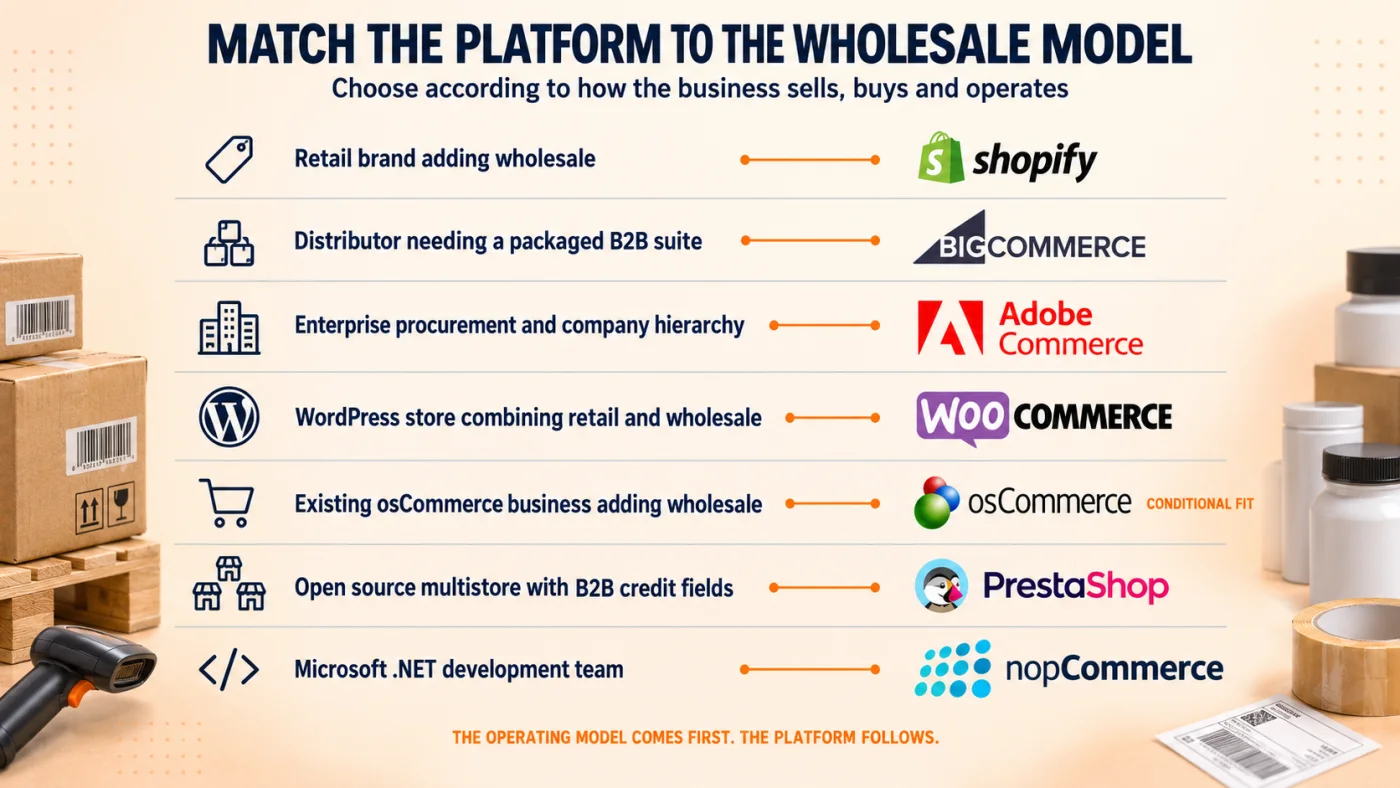
Fig 10 - Wholesale operating model to platform decision
1. Retail brands on Shopify adding wholesale
A DTC brand or retailer already running production commerce on Shopify, with a growing trade or dealer channel that needs company accounts, net payment terms, custom catalogs, and quick order entry on the same storefront.
Primary pick: Shopify B2B on Basic, Grow, Advanced, or Plus. Basic through Advanced suit simpler wholesale channels using B2B markets and up to three active catalogs. Shopify Plus fits operations that need unlimited catalogs, direct catalog assignment by company location, deposits, partial payments, and deeper B2B controls.
Strong alternative: BigCommerce B2B Edition when the buyer workflows, specifically the quote lifecycle, invoice management, Buyer Portal, and shared shopping lists, are a deeper day one requirement than Shopify B2B supplies.
2. Distributors needing a packaged B2B suite from day one
A pure wholesale business whose growth plan assumes company accounts with several buyers, buyer roles, sales rep assisted ordering, shared shopping lists, quote negotiation, and invoice payment inside a hosted commercial platform.
Primary pick: BigCommerce B2B Edition. The Buyer Portal, quote workflow, invoice management, company accounts, and shared shopping lists are supplied through the separately provisioned B2B Edition application. B2B Edition uses custom pricing. Supporting features such as Price Lists also depend on the underlying BigCommerce plan. Implementation runs eight to sixteen weeks for a greenfield wholesale build.
Strong alternative: Shopify B2B on Plus when the storefront experience, payment integration depth, and app marketplace matter more than packaged quote and invoice workflows.
3. Enterprise wholesalers with complex company hierarchies
Multi tier parent and child company structures, shared catalogs assigned per company, company specific pricing, formal purchase order approval rules, negotiable quotes, and account credit limits across hundreds of trade customers.
Primary pick: Adobe Commerce B2B. Native company accounts with hierarchy, shared catalogs with per company pricing, negotiable quotes, requisition lists, purchase order approval rules, and Payment on Account cover the full enterprise B2B operating need. Implementation runs twelve to twenty four weeks on PaaS or on premises deployments.
Strong alternative: BigCommerce B2B Edition. BigCommerce supplies company accounts, buyer roles, customer pricing, quotes, and invoice tools through a lighter hosted model. Adobe Commerce remains stronger where the operation requires parent and child company structures, extensive purchasing permissions, or formal approval rules.
4. Businesses on WordPress combining retail and wholesale
WordPress runs the content, blog, retail store, and brand site. The wholesale channel needs to live on the same WordPress installation, use the same products and inventory, and share admin, developers, and hosting with the existing retail operation.
Primary pick: WooCommerce with Extend B2B E-commerce AIO. WooCommerce core supplies the catalog, checkout, orders, inventory, and APIs. Extend B2B supplies company accounts with several users, shared cart approvals, pricing, catalogs, quotes, quick order, payment terms, and company credit for $99 per year. Implementation runs eight to sixteen weeks for a greenfield build with a complete B2B extension in place. Because the extension has a relatively small public installation base, compatibility with the selected theme, payment plugins, tax tools, and current WooCommerce release should be validated through a proof of concept before production.
Strong alternative: WooCommerce with Wholesale for WooCommerce when the operation needs role based wholesale pricing, catalog controls, quotes, and sales agent workflows without the full company account structure.
5. Existing osCommerce businesses adding wholesale
A trade wholesaler already operating or rebuilding on osCommerce, with simple customer groups, hidden retail prices, trade registration, special payment methods, and a developer or implementation partner.
Conditional primary pick: osCommerce v4 with the Wholesale App Pack. This option fits businesses already operating or rebuilding an osCommerce estate. The Wholesale App Pack supplies customer pricing groups, customer and group price lists, hidden pricing, restricted catalogs, trade registration, and wholesale payment controls. Multiple frontends support separate trade and retail storefronts from one installation. Obtain written confirmation of current production licensing before committing to a new implementation, since the repository LICENSE.TXT still carries testing only language.
For a completely new open source build, PrestaShop or nopCommerce is easier to defend, with established production licensing and documented release processes.
6. Open source wholesalers needing native B2B customer credit fields and multiple storefronts
A small to mid sized wholesale operation that needs native B2B customer credit fields, authorized payment deadlines, risk ratings, outstanding balance reporting, and several storefronts under one back office, on an open source platform with an active development community.
Primary pick: PrestaShop. B2B mode records company name, authorized credit, maximum payment days, risk rating, and outstanding balances. Specific prices, customer groups, catalog price rules, and native multistore cover most wholesale pricing and catalog requirements. OSL 3.0 core and AFL 3.0 modules support commercial deployment. Implementation runs eight to sixteen weeks on PrestaShop 9.2. These fields support credit tracking without a complete accounts receivable ledger or automated credit enforcement, so collections workflows and payment term enforcement may still need development.
Strong alternative: WooCommerce with Extend B2B E-commerce AIO when the business already runs WordPress or wants the broader WordPress plugin and theme marketplace.
7. Microsoft shops running wholesale on .NET
A wholesale operation whose development team runs on ASP.NET Core, SQL Server, and Windows or Azure infrastructure, and prefers to extend commerce in C# over PHP. The business needs role based tier pricing, native multi warehouse inventory, sales rep assisted ordering, and quote handling.
Primary pick: nopCommerce. Native tier pricing by quantity, role, store, and date; customer roles with discounted pricing and tax exemption; multi warehouse inventory with reserved and planned stock; customer impersonation for sales rep ordering; and a free Request for Quote and Quotes plugin. Implementation runs eight to sixteen weeks on nopCommerce 4.90.8. The Web API license and copyright removal key are two published platform add on costs. Wholesale extensions, company account development, integrations, and custom procurement workflows may form a larger part of the implementation cost.
nopCommerce does not provide a complete native company account model with several buyers, approval chains, net payment terms, and company credit workflows. Those capabilities come from third party extensions or custom development.
Strong alternative: no close alternative within this comparison. Adobe Commerce B2B is the functional alternative when company hierarchy, purchasing permissions, and approval workflows matter more than retaining the .NET development framework. Choosing it requires a move from C# and ASP.NET Core to the Adobe Commerce platform.
Licensing and who manages the infrastructure
Two separate decisions get bundled together in platform comparisons. The first is the software licence, which is either commercial or open source. The second is who runs the infrastructure, which can sit with the vendor, be shared, or sit with the merchant. They vary independently. Adobe Commerce is commercially licensed in every one of its deployments, including the ones a merchant hosts, while Magento Open Source is the free edition without the B2B suite. The comparison below is organised by licence, and the deployment spectrum that follows it shows where infrastructure responsibility actually sits.
Two platform categories cover the seven platforms in this guide.
- Hosted commercial - Shopify B2B, BigCommerce B2B Edition, and Adobe Commerce as a Cloud Service. The vendor runs infrastructure, updates, and the core platform contract.
- Open source - WooCommerce, PrestaShop, nopCommerce, and osCommerce v4. The merchant runs the platform, with the vendor supplying the software and in some cases a Marketplace of extensions.
Adobe Commerce on Cloud and Adobe Commerce on premises sit across the two. The software is commercially licensed in every Adobe deployment, while the infrastructure is shared with Adobe on Cloud and merchant managed on premises.
The choice between the two categories affects every downstream decision a wholesaler makes about the platform, from day one implementation runway to five year total cost of ownership.
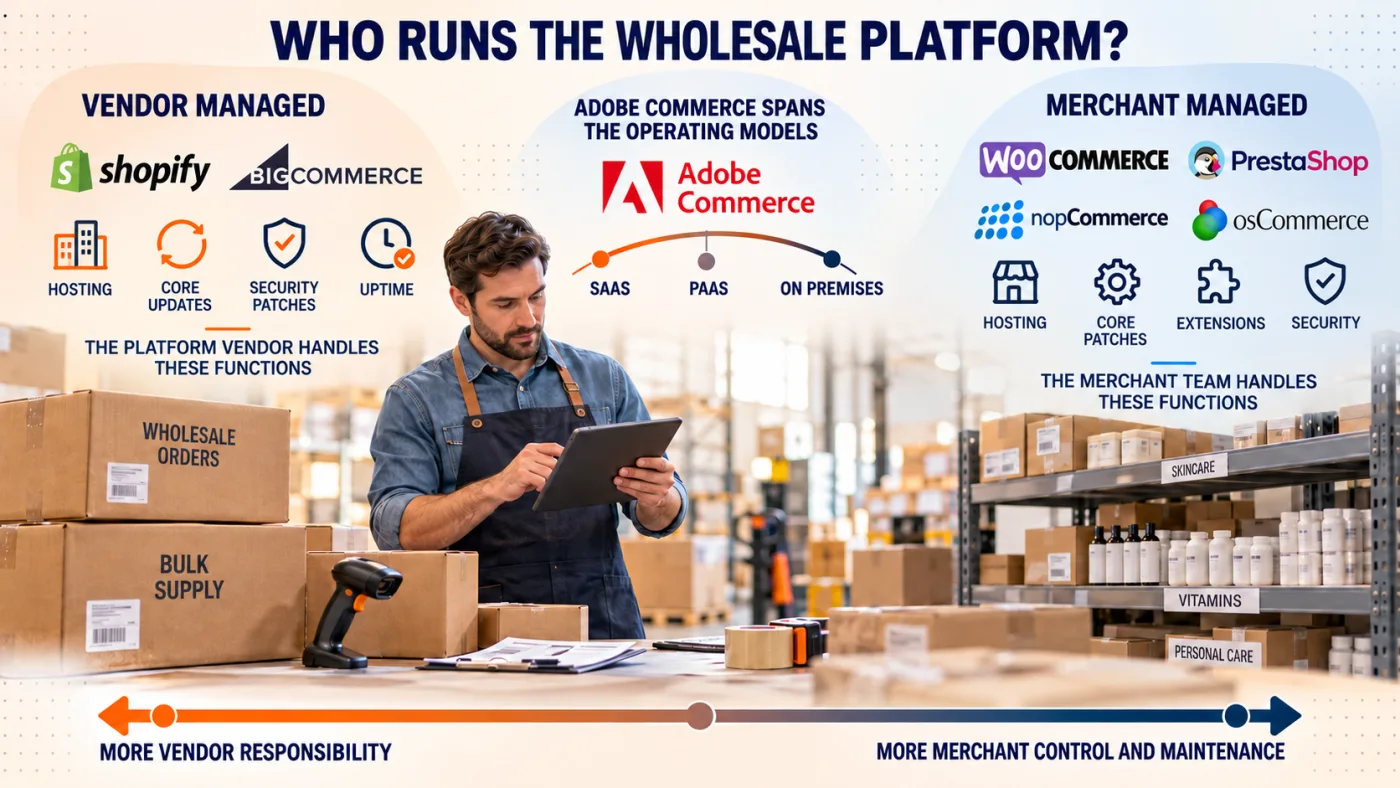
Fig 11 - Vendor managed to merchant managed spectrum of wholesale platforms
Side by side comparison
Table 21 - Hosted commercial and open source wholesale platforms side by side
What each model charges you on
The subscription line is the visible cost. For a wholesale business the more useful question is which costs scale with revenue, because wholesale order values are high and a percentage applied to them compounds quickly.
- Hosted commercial - A plan fee, plus cost that tracks volume. BigCommerce Core and Growth carry trailing twelve month GMV limits of $30,000 and $100,000 and move an account up a plan automatically above them, and Scale adds a 0.9 percent charge above a $33,333 monthly GMV allowance. Shopify reduces transaction fees as the plan ladder rises, so the effective rate depends on the tier a wholesaler sits on.
- Enterprise commercial - A licence negotiated against volume, with infrastructure on top. Adobe publishes no rate card, so pricing is quoted per account.
- Open source self hosted - No platform share of revenue. osCommerce states that the platform charges no platform payment processing fee, and the official WooCommerce guide estimates hosting at $25 to $350 per month with extensions at $29 to $299 annually each. nopCommerce prices renewals at 50 percent of the original price inside the renewal window.
Why this lands differently in wholesale
A large share of wholesale volume settles on invoice, net terms or a purchase order instead of a card. A card processing rate therefore touches only part of the revenue. A GMV linked platform cost counts all of it, including orders for which the platform never processed a payment. The two behave differently as a wholesaler grows, and only one of them appears on a pricing page.
The trade
Self hosting converts a share of revenue into a fixed operating cost: hosting, extension renewals, PCI scope and the engineering time to patch. Hosted commercial platforms carry PCI compliance at the platform level and reduce the merchant PCI scope, while open source platforms place that responsibility on the merchant and the hosting provider. A wholesaler with steady volume, high order values and access to engineering capacity usually comes out ahead self hosting. A wholesaler without that capacity pays for it elsewhere, usually in deferred patching and downtime.
Where hosted commercial wins
Hosted commercial platforms absorb complexity the merchant would otherwise manage directly. Infrastructure, patching, PCI scope reduction, uptime, and compatibility of core platform updates sit with the vendor. For a wholesaler with no dedicated commerce engineering team, the platform fee is the fastest route to a working wholesale channel.
Shopify B2B ships native B2B capability on supported plans, with company accounts, customer specific catalogs and pricing, payment terms, quantity rules, and draft order checkout inside the same admin as the retail store. BigCommerce B2B Edition covers similar ground and adds a Buyer Portal with native quote and invoice management, though it is a separately provisioned application at custom pricing on top of the underlying BigCommerce plan. In both cases implementation runs shorter and ongoing maintenance stays lighter than an extension led build.
Where open source wins
Open source platforms give the merchant direct control over the code, the data, and the platform roadmap for the merchant’s own use. A wholesaler with specialized workflows (custom contract pricing, unusual approval chains, niche integrations) can modify core behavior without requesting a vendor feature. Hosting choice, database engine, caching strategy, and infrastructure budget sit under merchant control.
The lower starting software cost is partly offset by the operational cost of selecting, testing, maintaining, and upgrading the extensions that supply B2B functionality. Extension compatibility becomes an ongoing concern as the core platform releases new versions.
Adobe Commerce as a hybrid case
Adobe Commerce sits across both categories. Adobe Commerce as a Cloud Service is a true SaaS product with vendor managed infrastructure and automatic updates. Adobe Commerce on Cloud is PaaS, with shared responsibility between Adobe and the merchant. Adobe Commerce on premises is self hosted, with full merchant control. The B2B feature suite is commercial in all three cases. Magento Open Source remains available as a free, self hosted edition without the B2B feature suite.
Strategic implication
A wholesaler with fewer than fifty trade customers, basic catalog needs, and no dedicated engineering team usually gets a faster, cheaper outcome from a hosted commercial platform. A wholesaler with specialized workflows, large catalogs, specific hosting requirements, or an existing developer team usually gets more leverage from an open source platform with a planned extension set.
When a custom B2B build makes sense
A custom B2B build means a wholesale commerce application developed as a ground up project, with the merchant owning the architecture, data model, code, and roadmap. The seven platforms above are the alternative. Each one supplies a working commerce foundation that extensions, configuration, or paid licenses adapt to the wholesale operating model.
Custom builds have a specific place in wholesale. The decision to build custom depends on how standardized the business processes are and how strategic the commerce platform is to the overall business.
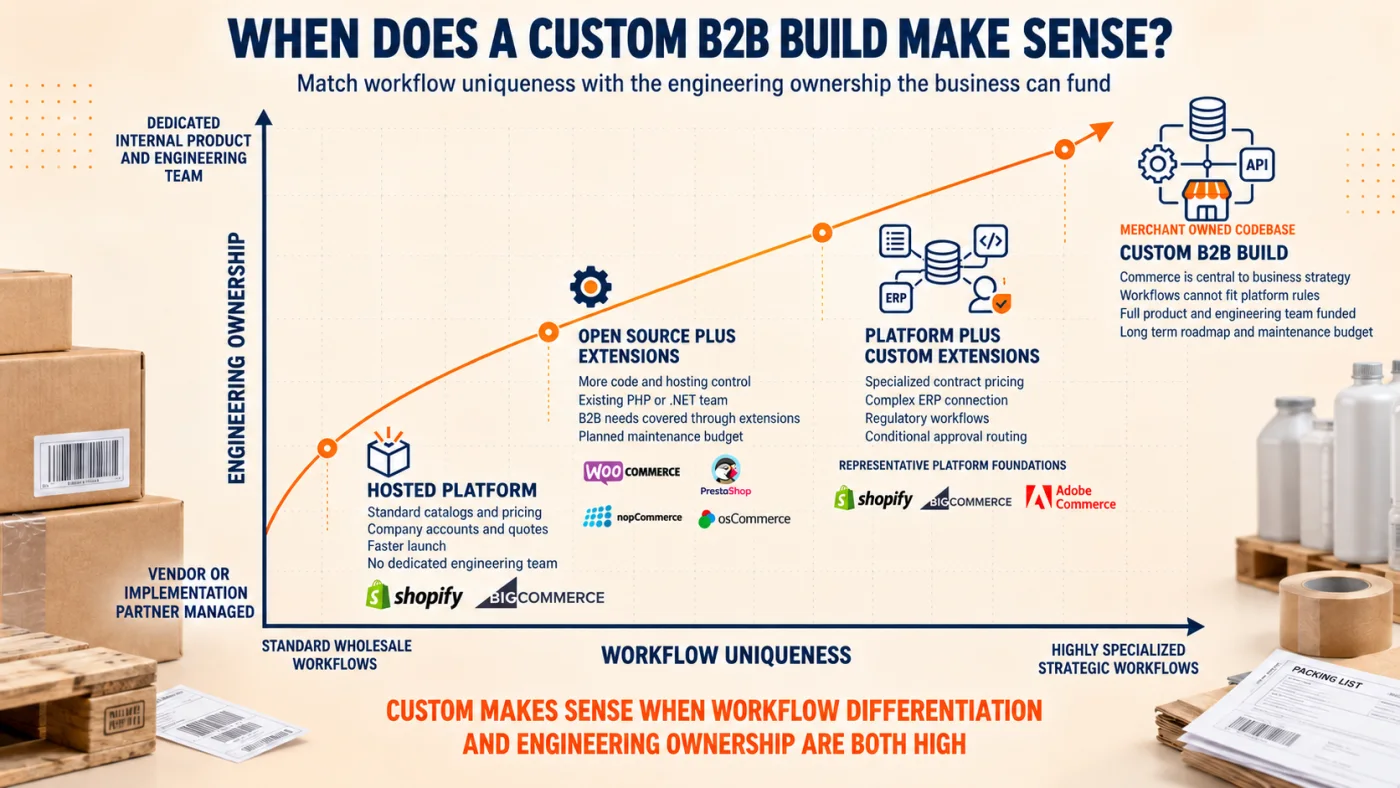
Fig 12 - Build versus buy decision matrix
Business signals and the matching path
Each row below names a specific business signal and the path a wholesaler should default to when that signal is strong.
Table 22 - Business signals mapped to the matching delivery path
Commerce frameworks as a starting point
A custom B2B build in 2026 is rarely greenfield from zero. A commerce framework supplies the catalog, cart, order, customer, inventory, and payment primitives that every commerce operation needs. The custom build extends that foundation with the business specific pricing, approval, catalog visibility, and procurement workflows that make the wholesale operation distinct.
Three framework foundations are strongest for an agent led custom B2B build.
- Medusa - Open source TypeScript commerce framework with modular core services. Products, carts, orders, inventory, payments, and tax ship as native modules. Custom modules carry the business specific wholesale workflow.
- Vendure - Node.js and TypeScript commerce framework, GraphQL first, plugin oriented. Admin UI, catalog, orders, and payments supplied natively.
- Saleor - Python backend with a GraphQL API, extensible through apps. Native support for multichannel catalogs, pricing, and promotions.
Agent led delivery extends a chosen framework. The build time, budget, and talent profile below assume this framework plus custom modules approach, which is how most custom B2B wholesale projects run today.
Table 23 - Factors that favour a platform against a custom build
Cost and timeline shape of an agent led custom build
Clixlogix delivers custom B2B commerce as part of a five stage AI native delivery discipline covering Intent and Specification, Architecture and Harness, Execution, Verification and Release, and Assurance. Senior architects own the specification, architecture, and merge decisions. Agents handle execution under explicit constraints inside a harness that defines the evaluation framework, brand safety rules, and data access scope. A reviewer model runs a rubric check first, with a human sign off on every artifact before the Verification and Release stage.
A greenfield agent led custom B2B build on a commerce framework typically runs twelve to twenty four weeks from kickoff to first production release. The initial development budget runs in the low to mid six figures for most scopes, with the exact number depending on integration count, catalog complexity, and the framework and model licenses included. Delivery runs through three fixed cost commercial milestones.
The post build Assurance stage covers continuous evaluation monitoring for drift, decay, and shift, plus corrective, adaptive, preventive, and perfective maintenance. Ongoing engineering capacity for an agent led codebase typically runs at ten to twenty percent of the original build cost per year to maintain the application and extend it as the business grows. Below that line, the application accumulates structural debt and falls behind the operational demands of the business.
Minimum team composition for an agent led custom B2B build
- Senior architect who owns Intent and Specification, Architecture and Harness, and the merge decisions between agent generated code and the production branch
- Agent operators running the Execution stage inside the harness, pairing frontier reasoning models for architecture with fast open source models for high volume production work
- Product and domain lead who scopes workflows, SOPs, and acceptance criteria
- Reviewer model plus a human reviewer for the rubric check and sign off before any artifact clears the merge gate
- Design partner for storefront and admin experience, supported by mockup tools and the Clixlogix graphics team for finishing
- QA and automation lead for test writing, regression harnesses, and production verification
- Named Assurance owner for each incident type across corrective, adaptive, preventive, and perfective maintenance
When custom should not be the choice
Three common situations push businesses into unnecessary custom builds.
First, teams dismiss hosted and open source platforms before testing whether a documented extension or configuration can meet the business requirement. An agent led discovery sprint can validate platform fit in days.
Second, early stage wholesalers conflate current workflow with future workflow and commission custom logic for processes that will likely change within a year. The Clixlogix workflow mockup diagnostic surfaces these mismatches in Intent and Specification, before the Architecture and Harness stage begins.
Third, teams ship an agent led build without the reviewer model, the human sign off gate, or a named Assurance owner for each incident type. Agent generated code that bypasses the review gate accumulates structural debt faster than conventionally written code, and typically needs a Containment Method rescue inside twelve to eighteen months.
A disciplined evaluation exhausts the native and extension options across the seven platforms above before scoping a custom build. The business signal table above is a starting checklist. If every signal from a wholesaler’s business matches a hosted or open source path, a custom build is not justified.
This checklist belongs to the shortlist stage. Run it against the two platforms you are actually deciding between and score every item as native, extension supplied, custom, or unavailable. An item you cannot answer from vendor documentation is itself the finding: the capability is not native, so it belongs in the implementation estimate and should be priced there.
Disqualifiers
A platform that fails any of the following is out, whatever else it does well. These are the capabilities a wholesale operation depends on every working day, and retrofitting one of them onto a platform that does not have it costs more than choosing a different platform.
- Customer specific pricing covers the pricing models the business runs today
- Private catalog assignment per company or per role is confirmed
- Company account structure supports the required number of buyers per company
- Buyer roles and permission scopes map to real procurement team structures
- Approval workflows support the actual decision stages, including conditional routing
- Purchase order checkout handles buyer purchase order numbers and PO payment status
- Payment terms (Net 30, Net 60, custom) are supported natively or through documented extensions
- Credit limits, account credit, and outstanding balance reporting match the finance team’s workflow
- Tax exemption at customer, group, or company level is supported, including US resale certificate handling
- Multi warehouse inventory supports the actual fulfillment network, with reserved and planned stock as needed
Nothing below removes a platform from the shortlist. These items price the build instead. Every answer that comes back as extension supplied or custom is a cost line, and the number of those lines predicts the real budget more reliably than any platform's pricing page.
Business fit
- The wholesale operating model matches one of the seven defined in this guide
- Current customer count, order volume, and growth trajectory are documented
- Retail and wholesale channel strategy is decided (combined platform or separate)
- Internal stakeholders in sales, finance, operations, and technology have signed off on the shortlist
- Decision timeline and budget range are documented
Wholesale capabilities
- Volume and quantity pricing matches current contract and tier structures
- Quote negotiation workflow matches the quote lifecycle in current practice
- Quick order entry and CSV upload cover the reorder volume the business handles
Catalog, inventory, and operations
- Catalog size and SKU count sit within tested platform limits
- Product variations and configurable products are supported for every item sold
- Multistore or multichannel configuration supports regional, brand, or storefront separation
- Stock levels, backorders, and low stock thresholds are configurable per product or variation
- Platform model (hosted commercial, open source, or enterprise commercial) matches the technical appetite of the business
- Hosting arrangement is defined, including who owns infrastructure, security, backups, and updates
- REST and GraphQL API coverage supports every integration planned for year one and year two
- Webhooks or event streams cover the real time workflows the operation depends on
- Core license terms are reviewed and acceptable to legal and procurement
- Platform PCI, SOC, GDPR, and other compliance posture matches the business risk profile
- Headless storefront support matches the storefront strategy (standard theme, custom frontend, or fully headless)
Cost and licensing
- Core software fee is budgeted for year one, two, and three
- Hosting, bandwidth, CDN, and database costs are estimated against expected traffic
- Each required extension or add on is priced and renewal terms are documented
- Implementation partner fees are quoted against a defined scope
- Ongoing maintenance and support retainer is budgeted
- Total three year cost of ownership is modeled and signed off
Implementation and delivery
- Implementation timeline is defined with named milestones and acceptance criteria
- Data migration plan covers products, customers, orders, pricing, catalogs, and inventory
- Integration scope lists every connected system (ERP, PIM, CRM, accounting, tax, warehouse, shipping, marketplace)
- Testing plan covers functional, performance, security, and user acceptance
- Change management plan addresses buyer communication, sales team training, and support staff training
Vendor and ongoing
- Vendor support SLA, response time, and escalation path are defined
- Platform release cadence and backward compatibility history have been reviewed
- Reference calls with two or three current wholesale customers on the platform have been completed
- Exit plan is documented, including data portability, contract termination terms, and migration options
- Internal owner is assigned for ongoing platform health, extension compatibility, and renewal cycles
A platform that passes every item on this checklist is defensible for a production wholesale implementation. A platform that fails more than two items in any category is a signal to narrow the scope, change the platform, or budget additional work to close the gaps before signing a vendor contract.
Next steps
The wholesale operating model decides the right platform. The axis chip row, the operating model section, the feature matrix, and the selection checklist above narrow seven options to a defensible shortlist of two or three. The final decision rests on the facts specific to the business: catalog shape, buyer organization structure, integration dependencies, implementation runway, and the engineering appetite the business can carry.
Where Clixlogix fits
Clixlogix architects a wholesale commerce platform decision end to end, from operating model review through platform shortlist, implementation plan, and production launch. The same team covers hosted commercial platforms (Shopify B2B, BigCommerce B2B Edition, Adobe Commerce B2B), open source wholesale builds (WooCommerce, PrestaShop, nopCommerce), and agent led custom builds on commerce frameworks under the five stage AI native delivery discipline.
Where this decision usually needs a second opinion
Most wholesale platform choices come down to two credible options and a handful of integration constraints. We will review your operating model, catalog, buyer structure and system dependencies, then set out a shortlist of two platforms with the reasoning behind each, an implementation sequence and a cost range. It takes about thirty minutes of your time.
Discuss your wholesale platform decision
Frequently asked questions