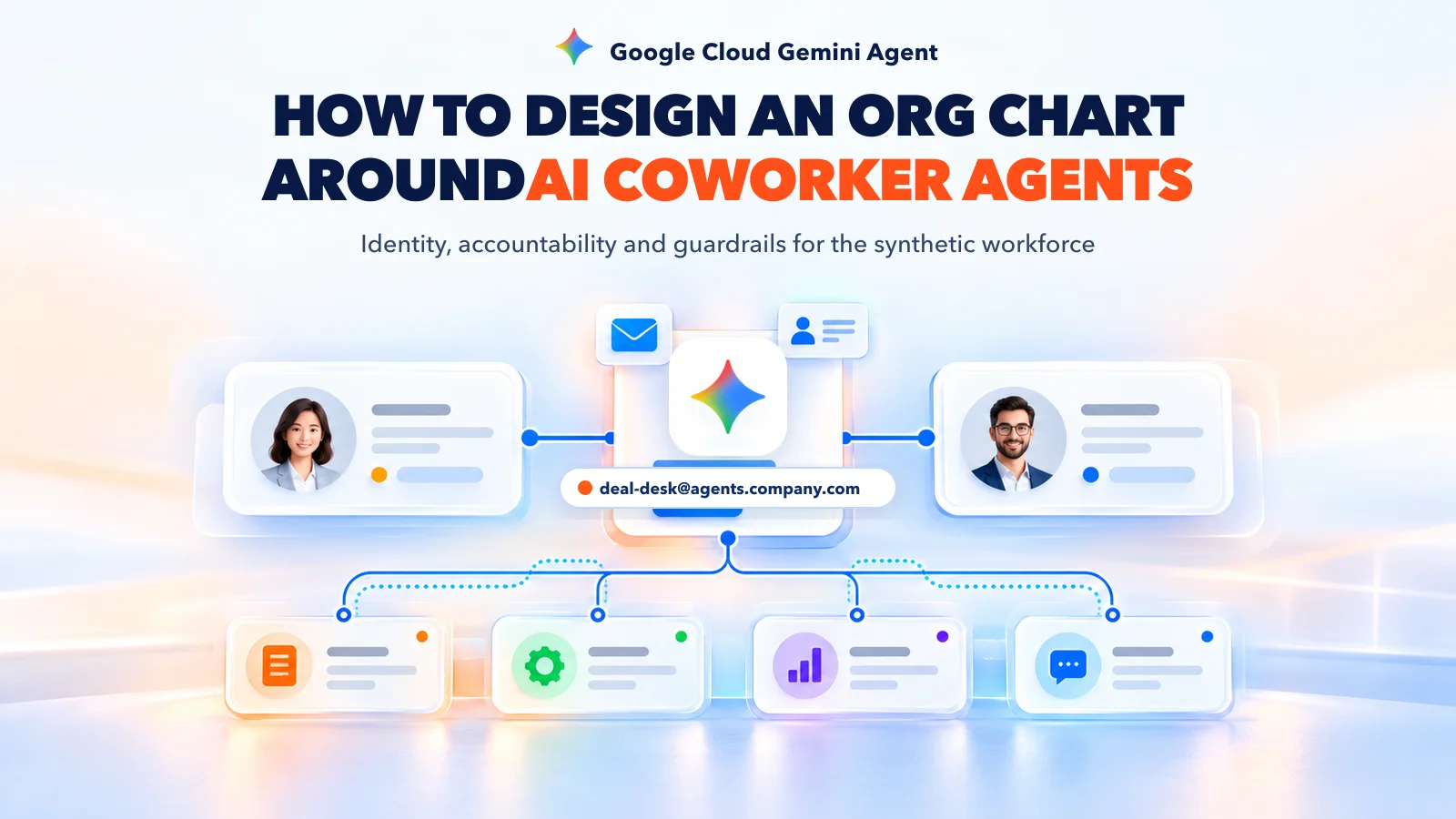
Google Cloud's Gemini Agent gives autonomous AI its own corporate identity. The enterprise AI bottleneck now sits in organizational design, IAM, and systems integration.
Most companies still treat an AI agent as a feature inside software. The architectural break happens when that agent survives the user's session, carries its own identity, and continues working across systems. At that point, the question is no longer what the model can answer. It is what the organization is willing to let it own.
TL;DR
Coworker Agents hold their own Workspace account, email address, and directory entry, so the enterprise AI bottleneck moves from model capability to organizational design and identity access management.
Map every persistent agent across 3 structures that run in parallel: business accountability, workflow participation, and technical governance. Then place it on 2 axes, scope and operating role.
Give every agent one named human owner recorded in the agent registry. An agent acting with nobody accountable is the first structural failure mode.
Isolate agents in a dedicated Organizational Unit with non human IAM policy, least privilege scoping, short lived credentials, and a hard token ceiling written into the agent code.
Reach systems beyond the office suite through MCP and Agent2Agent, and wire deterministic circuit breakers so a probabilistic model never runs unconstrained in production.
The Identity Shift in Enterprise Software
For 3 years, enterprise generative AI lived almost entirely as a personal browser tenant. The assistant sat inside sidebars, pinned chat tabs, and IDE extensions, and it depended on prompts from the one employee signed in at the keyboard.
The copilot model was an expedient shortcut from an IT and architectural standpoint. The assistant borrowed the active user's session token, so it inherited that user's permissions, ran only when the user clicked send, and produced work attributed to the user's name. The upside was speed of deployment. The downside was a hard ceiling on operational utility. The moment an employee shut their laptop or signed off Slack, the AI stopped working.
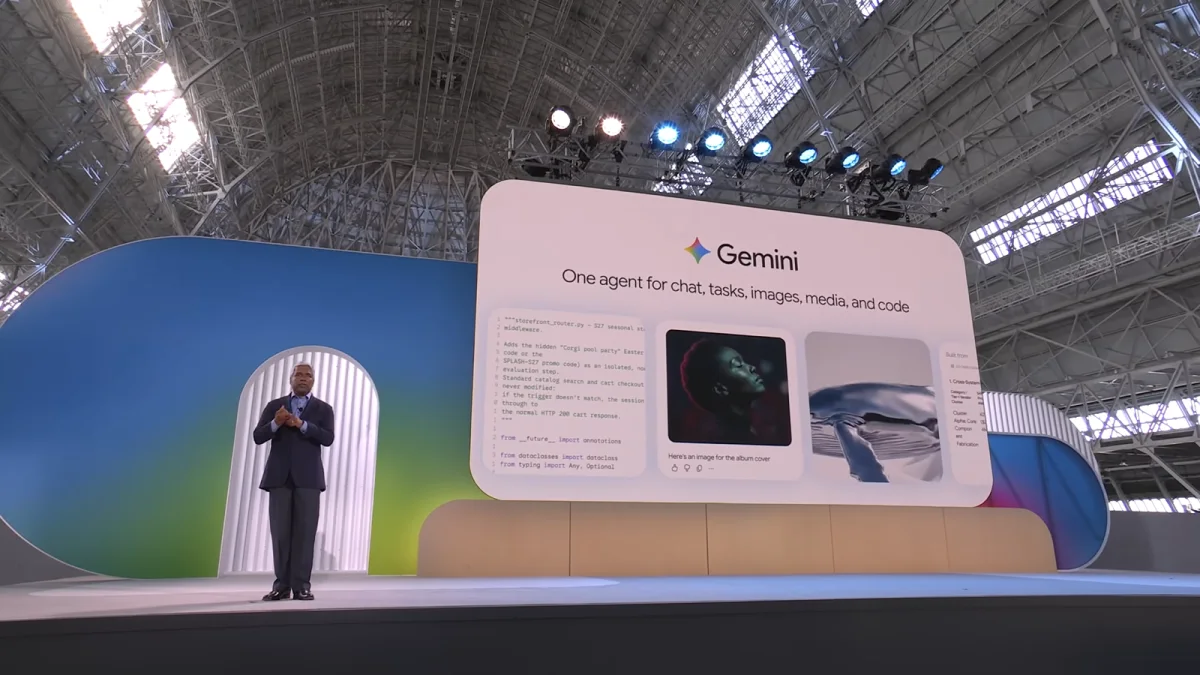
The Gemini at Work keynote from Google Cloud reset that model. Google Cloud announced Gemini Agent along with its persistent enterprise rollout as Coworker Agents.
Coworker Agents do not borrow an employee identity. An administrator provisions each agent with its own full Google Workspace account that carries:
- An assigned email address such as
agent-billing-audit@agents.company.com - A dedicated calendar and Drive storage
- A verified entry in the corporate directory
- The ability to receive tasks via @mention, spawn temporary subagents across the Gemini and Anthropic Claude model families through Smart Routing, and suggest edits in shared files under the agent's own name in version history
This is no incremental interface update. The moment software holds a persistent corporate identity, an email inbox, and permission to act asynchronously without a human holding the reins, the software becomes a synthetic coworker. Zoho opened early access to AgentInbox on 24 September 2026, giving each agent its own mailbox, its own credentials, and its own action log. Google announced Coworker Agents at the Gemini at Work keynote on 8 October 2026, with a full Workspace identity covering email, calendar, Drive, and a directory entry. The scopes differ, and so does the surface area each vendor asks an enterprise to adopt. Both start from the same premise, which is that the agent holds the identity.
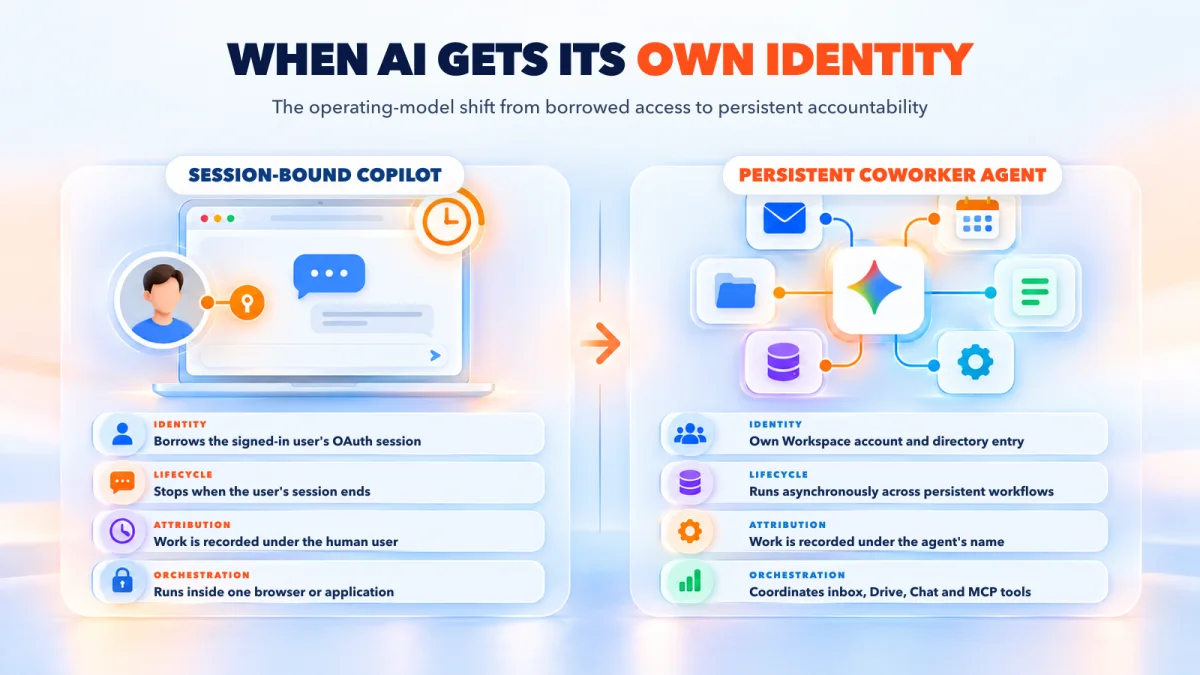
Fig 1 - Copilot and Coworker Model Comparison
Once software holds an email address and a directory entry, the bottleneck for enterprise AI sits in organizational design, delegation hierarchy, and identity access management.
Enterprise engineering teams who deploy autonomous agents in production treat agents as software the organization manages, with the lifecycle, ownership, and audit trail that any employee receives.
Redesigning the Org Chart for Machine Headcount
Traditional organizational design is calibrated around human constraints such as physical bandwidth, working hours, cognitive load, and human to human communication channels.
Standard workforce metrics break down when autonomous agents enter the picture as persistent workers. "Hours saved per employee" misreads the function of an autonomous agent. A completed run is a transport fact. Whether it produced a business outcome is a separate measurement. The business unit of autonomy is a state transition the organization can verify, attribute, and where possible reverse. As the Clixlogix read on what an AI agent is explains, agents execute outcome delegated roles that previously required coordination across several human teams.
The Universal Agent Org Chart Model
The instinct is to draw one box per agent and hang it under a manager. That arrangement breaks inside a quarter. A persistent agent answers to a budget holder, collaborates daily with teams that budget holder does not run, and lives inside an identity system governed by people who have met neither. When an agent is wrong, follow the cleanup. The person who repairs the record, calms the customer, or explains the spend is already part of its reporting structure, whether the diagram shows it or not. Before leaders draw anything, they map every persistent agent across 3 structures that run in parallel:
- Business accountability - the human owner responsible for the agent's mandate, budget, and outcomes
- Workflow participation - the cross functional teams and systems the agent collaborates with to execute tasks
- Technical governance - the
/Agents Organizational Unit, IAM roles, and audit controls that govern its identity
These 3 structures do not collapse into one diagram. To place agents on the business org chart, organizations map them on 2 axes.
Axis 1 - Scope
- Personal Assistant - a 1 to 1 user bound agent that sits off the org chart
- Departmental Agent - serves a specific team or function
- Enterprise Shared Service Agent - serves multiple departments; its dotted line relationships span the business while its solid accountability line stays with the department head that governs its policy and budget (an IT Onboarding Agent reports to the Head of IT Ops, with dotted lines to HR and Finance)
Axis 2 - Operating Role
- Specialist Agents - persistent agents with a narrow business mandate, defined permissions, measurable outputs, and a named human owner
- Orchestrator Agents - synthetic coordinators that monitor inboxes, parse intent, and delegate subtasks to Specialists through computational handoffs
Three structures and two axes stay theoretical until a real workflow runs through them. The clearest test is a process with money attached and several departments holding a veto.
The Worked Example - RevOps and Deal Desk
The slowest approval usually begins with an approver being asked to play detective. A deal becomes automatable only after the organization agrees what the fields, stages, exceptions, and owners mean. Consider a mid market B2B Deal Desk. Related agents maintain different human owners based on their functional risk, even while they collaborate on the same workflow.
Table 1 - RevOps Agent Ownership Distribution
Following a Deal Through the Synthetic Hierarchy
An org chart is a claim about who answers for what. The claim only holds up under traffic. Follow one awkward deal, the kind carrying a liability clause nobody wants to put their name against, and the structure either routes it cleanly or shows you exactly where it leaks. Here is the path that deal takes before a customer ever sees a signature page:
- Intake (Dotted Line) - an Account Executive submits a draft contract or non standard quote request that needs human review prior to customer signature.
- Triage & Validation (Orchestrator) - the
Deal-Intake-Orchestrator ingests the draft. It uses Zoho CRM tools exposed through MCP to retrieve the required deal fields, then validates those values against the Deal Desk schema. - Parallel Analysis (A2A Delegation) - the Orchestrator uses the Agent2Agent (A2A) protocol to delegate parallel analyses, so the
Quote-Compliance-Specialist checks pricing tiers, while the Margin-Analysis-Specialist verifies profitability floors. - Execution and Escalation - simultaneously, the Orchestrator delegates the PDF to the
Contract-Triage-Specialist. It cross references the legal playbook and flags a liability clause deviation. Escalations route directly to the human owner who carries that risk, so a pricing exception reaches the Deal Desk Director, a margin exception reaches the Finance Controller, and a legal exception reaches the Legal Operations Lead.
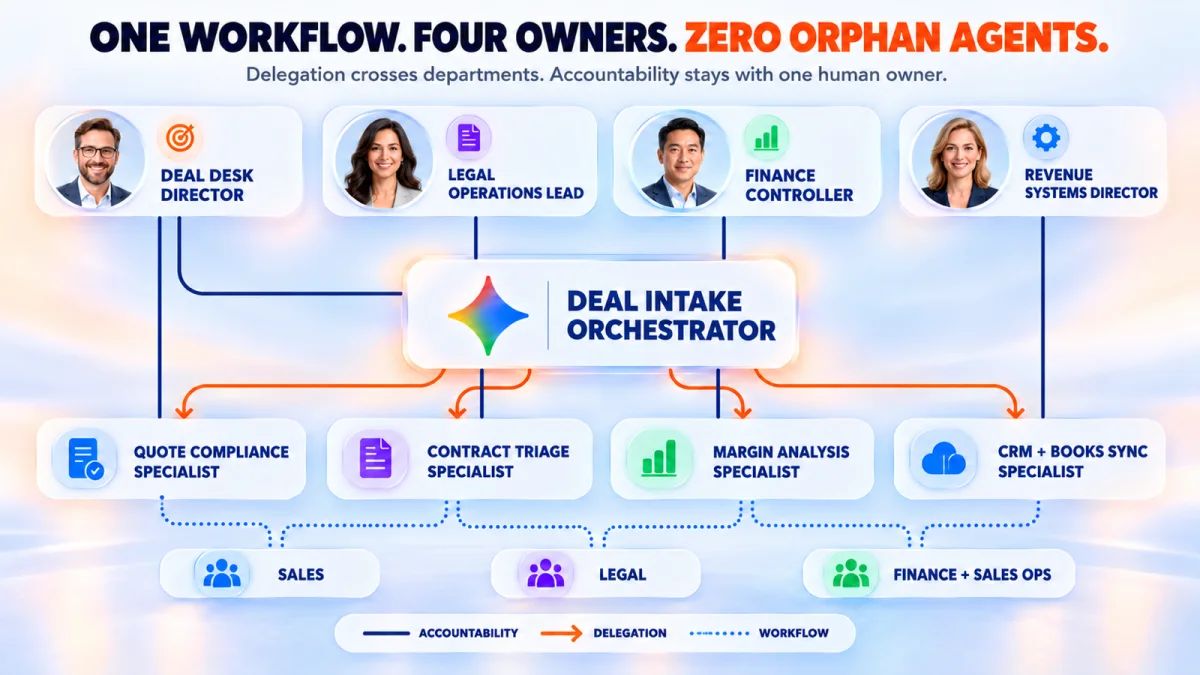
Fig 2 - Distributed RevOps Org Chart
- Human Approval Gate - the appropriate owner reviews the exception through an approval workflow surfaced in Google Chat. The workflow records the approver, timestamp, decision, applicable policy exception, and deal identifier in the system of record before execution resumes. (If several exceptions exist, all required approvals must be recorded).
- Synthesis - the Orchestrator receives all clears, generates the final execution package, and routes it to the corporate e-signature system for the customer.
- Fulfillment - after the customer signs, the Orchestrator delegates to the
CRM-Books-Sync-Specialist to update Zoho CRM to Closed Won and draft the Zoho Books invoice.
Seven steps, four human owners, and exactly one human approval gate. That ratio is the whole point. If every 5 percent discount reaches a human approver, the organization has built a reminder system with a model attached, so the gate belongs behind risk tiers and approval thresholds that let standard deals clear on their own. The Account Executive who submitted that draft never chased Legal for a reading on the liability clause, and the Finance Controller reviewed a margin exception that arrived already analysed. The same shape travels well beyond a Deal Desk.
Enterprise Variations
Deal Desk earns the worked example because its failure modes carry a price tag, and a mispriced quote costs something a CFO can point at. The same shape holds anywhere a request arrives, gets checked against a rule, and then waits on somebody who is already busy. Three departments, one architecture:
- Operations - a Dispatch Orchestrator monitors tickets, delegating to a Routing Specialist that checks technician proximity in Zoho FSM.
- Finance - an AP Orchestrator owns the
invoices@ inbox, using a Matching Specialist to cross reference supplier PDFs against ERP purchase orders. - Service Delivery - a Kickoff Orchestrator detects a signed SOW, delegating to a Specialist that clones a template in Zoho Projects and assigns resources.
Different departments, identical anatomy. One orchestrator holding the inbox, specialists holding narrow mandates, and a human holding the decision that carries consequences. That last holder is the one most rollouts forget to name.
The Single Human Owner Rule
The first structural failure mode for autonomous agents is the orphan loop. An agent performs actions without one human bearing regulatory and performance accountability. Orphans are rarely created deliberately. They appear when a pilot graduates into production and nobody updates the registry, or when the engineer who built the thing changes teams while the agent carries on working. Nothing breaks, which is precisely the danger, because the first real signal tends to be an audit question nobody in the room can answer. The agent can execute the workflow. It cannot own the apology.
Every provisioned Coworker Agent follows the Single Human Owner principle. Three rules carry the principle:
- Explicit lineage - every persistent agent has one human owner recorded in the organization's agent registry and business org chart
- Accountability assignment - the Single Human Owner carries internal operational accountability for the agent's actions, approvals, and error escalations. Legal liability remains governed by applicable law, contracts, and corporate policy
- Capacity rebalancing - a human manager's span of control accounts for synthetic reports; managing 3 senior engineers and 4 autonomous agents demands a management cadence different from managing 7 humans
Ownership settles who answers for an agent. It says nothing about what that agent is allowed to do, and a name on a registry line will not constrain a system holding write access to a CRM. The boundary has to be written down somewhere the agent actually reads.
Writing a Synthetic Job Description for an Agent
Long horizon autonomous tasks demand more structure than prompt engineering alone provides. Engineering teams write behavioral contracts with explicit scopes, deterministic fallback rules, and verifiable handoffs:
behavioral-contract.yaml
role_definition:
  agent_identity: "agent-contract-triage@agents.clixlogix.com"
  human_owner: "s.lee@clixlogix.com (Legal Operations Lead)"
  operational_scope:
    - "Ingest non-standard draft agreements from Deal Intake Orchestrator"
    - "Cross-reference terms against legal-playbook:v2026.3"
    - "Flag liability, indemnification, and governing law variances"
  deterministic_bounds:
    permitted_read_targets: ["zoho:crm/deals"]
    permitted_write_targets: ["drive:folder/deal-desk-drafts"]
    prohibited_actions: ["esign:send_envelope", "email:external_recipients"]
  escalation_trigger:
    - "Variance severity = High"
    - "Missing required schema fields in CRM"
  escalation_target: "google_chat:space/legal-deal-approvals"
The underlying enabler sits on the model side. Google's frontier Gemini 4 Argon model ships a 1 million token unified input and output limit. Through orchestrated routing policies, the Orchestrator can send heavy contract ingestion to Argon, while lightweight extraction or classification tasks route to the Flash model to optimize latency and token spend.
Managing a Hybrid Human and Agent Team
A manager who runs 3 engineers and 4 agents carries 2 lifecycles in parallel. The agent lifecycle borrows the shape of HR, applied in engineering terms.
Onboarding - the manager scopes the agent's operational boundaries, assigns its Single Human Owner, grants the first Drive folder and Chat space, and runs the agent on a bounded sandbox task before releasing it on production work.
Reviewing - the manager audits the agent's weekly action log, checks escalation triggers and spend drift, and samples 3 to 5 of the agent's output artifacts for quality against the behavioral contract.
Promoting - the manager widens the agent's scope by adding Drive folders, raising the token budget, or extending its permitted write targets after a defined track record of clean runs; a demotion rolls those back. An agent's permissions should expand through evidence and contract through disuse.
Table 2 - Hybrid RACI Matrix for Human and Agent Reports
Systems Architecture for Machine Identity and Enterprise Guardrails
An AI model that holds a corporate email address without rigorous identity architecture creates a serious security exposure.
Short lived OAuth credentials require managed refresh and delegation flows. Without that infrastructure, background workflows can fail mid execution, and delegated human credentials can make attribution difficult.
Clixlogix anchors agent identities inside established enterprise software standards before any production rollout.
A Dedicated Agent Organizational Unit
A shared API key turns attribution into group archaeology. Clixlogix recommends isolating Coworker Agents inside a dedicated Organizational Unit named /Agents or /Synthetic_Workforce. The isolation creates 3 security boundaries:
- Zero credential sharing - the coworker's Workspace account governs collaboration access to Gmail, Drive, Calendar, and Chat. Where the deployment includes customer managed Google Cloud infrastructure, runtime components use a separate Google Cloud Agent Identity or dedicated workload identity. IAM explicitly authorizes that runtime identity using short lived credentials and least privilege policies. No static service account keys are stored in prompts or application configuration.
- Least privilege resource scoping - a newly provisioned agent starts with 0 documents and 0 chat rooms; the agent gets access only when an owner shares a Drive folder or adds the agent to a Chat space, which mirrors strict human onboarding
- Deterministic egress controls - the
/Agents Organizational Unit enforces strict email routing rules; inbound and outbound traffic can stay confined to @company.com domains, which prevents accidental data exfiltration and phishing exposures
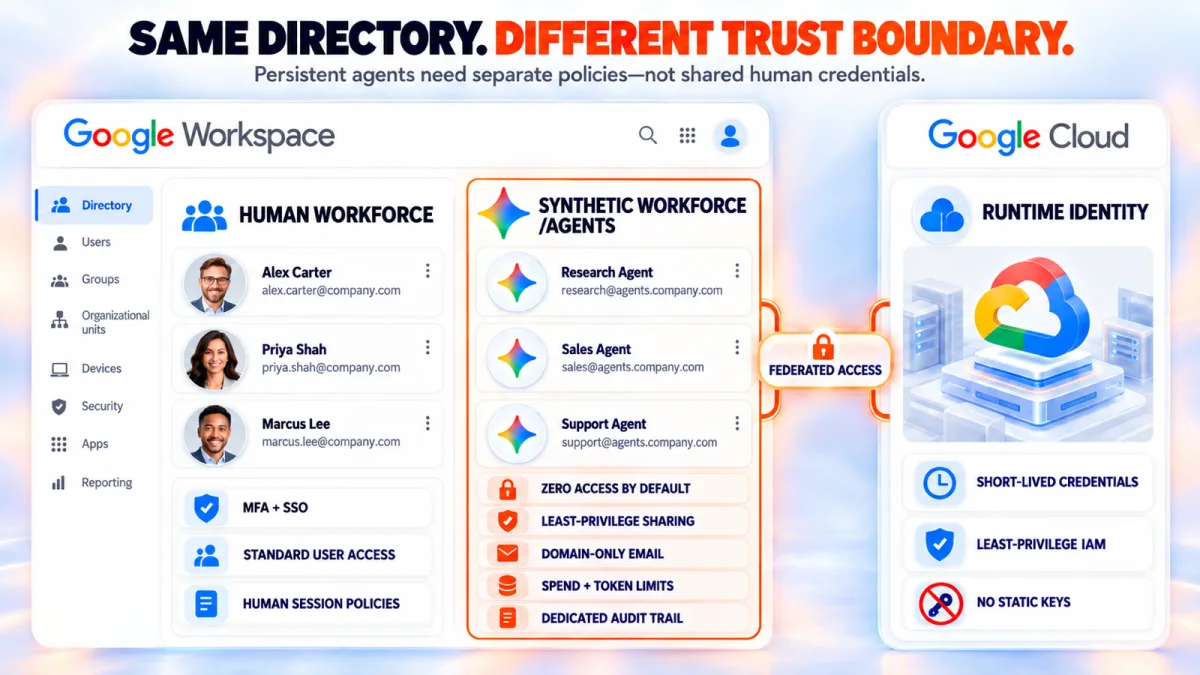
Fig 3 - Workspace Directory With an Isolated Synthetic Workforce Organizational Unit
RBAC policy sits at the center of this architecture. Each agent carries a role assignment that governs what the agent reads, writes, triggers, or calls across the Workspace surface and any downstream MCP connected systems. Security administrators review and approve role assignments the same way they review employee role changes.
Cross Cloud Federation - human Workspace domain identities may federate with Microsoft Entra ID through deliberately configured SAML/WS-Fed. Automated agent access to Microsoft workloads should use an explicitly provisioned Entra application, guest identity, or workload identity with independently governed permissions and Conditional Access policies.
Spend Caps
An autonomous agent caught in an infinite self correction loop can burn thousands of dollars of API credits before a human notices. It does not crash, and no alert fires. The agent simply retries, politely, several times a second, straight through a weekend. The invoice is usually the first honest signal, which is the problem. The billing dashboard should not be the first place an agent incident appears. Organizations put two financial circuit breakers at different levels:
- Application Level Token Ceilings - engineering teams define a strict per run token limit in the agent's code. When a run reaches the configured threshold, the runtime blocks further model calls and routes the workflow to escalation.
- Project Level Cloud Spend Caps - the Google Cloud Billing Console applies a secondary backstop based on the configured budget period. Enforcement is not instantaneous, limited overages can accrue, and requests already in flight may complete before new usage is blocked. However, it helps contain runaway spend and allows finance to charge AI costs back to the department.
Between the two, the ceiling written into the agent code does the real work. The billing console reacts on its own schedule, while the token limit refuses the call in the moment it is made.
Agent Memory and State Across Sessions
Persistent state belongs in approved, auditable stores, never in an ephemeral model session. Depending on the implementation, teams may use Workspace storage for work artifacts and a governed retrieval system such as Vertex AI Vector Search for longer term semantic memory. Retention, redaction, provenance, and deletion policies must be designed explicitly as governed data lifecycle operations.
Cross System Orchestration Beyond the Google Workspace Boundary
The engineering decisions ahead give synthetic workers the keys to the building and free human workers to focus on strategy and judgment. Coworker Agents live inside Gmail, Drive, Docs, Sheets, Chat, and Calendar.
Most enterprises run hybrid estates. Microsoft 365, Teams, and SharePoint sit alongside the Google surface in the typical IT Director's inventory, with Entra ID carrying identity for a large portion of the workforce. Zoho carries CRM, FSM, Projects, and Books across one tenant for the SMBs who standardize on it. Salesforce or HubSpot carries CRM in other shops. Jira carries engineering tasks. Workday carries HR. Proprietary cloud databases carry core services.
A coworker agent delivers business impact when it coordinates across the systems where the actual work lives, beyond the office suite boundary. Connecting those systems into a cooperative pipeline sits at the center of AI software and application development work.
Connecting Coworkers Through Open Interop Standards
Engineering teams use MCP for controlled access to tools and business systems, while Agent2Agent (A2A) supports delegation between independently addressable agents. Google Cloud Agent Gateway can govern traffic using either protocol.
Standardized integration contracts carry 3 capabilities beyond what point to point webhooks or custom scrapers provide:
- Context handoff - an agent monitoring customer inquiries in Gmail receives a high value client request
- Federated querying - the Workspace agent delegates a subtask to an internal CRM agent through an authenticated MCP connection, which retrieves the account ARR and open tickets
- Deterministic synthesis - the Workspace agent writes the data into a private Google Doc and drafts a reply in Gmail, then pauses at a Human in the Loop approval gate before sending
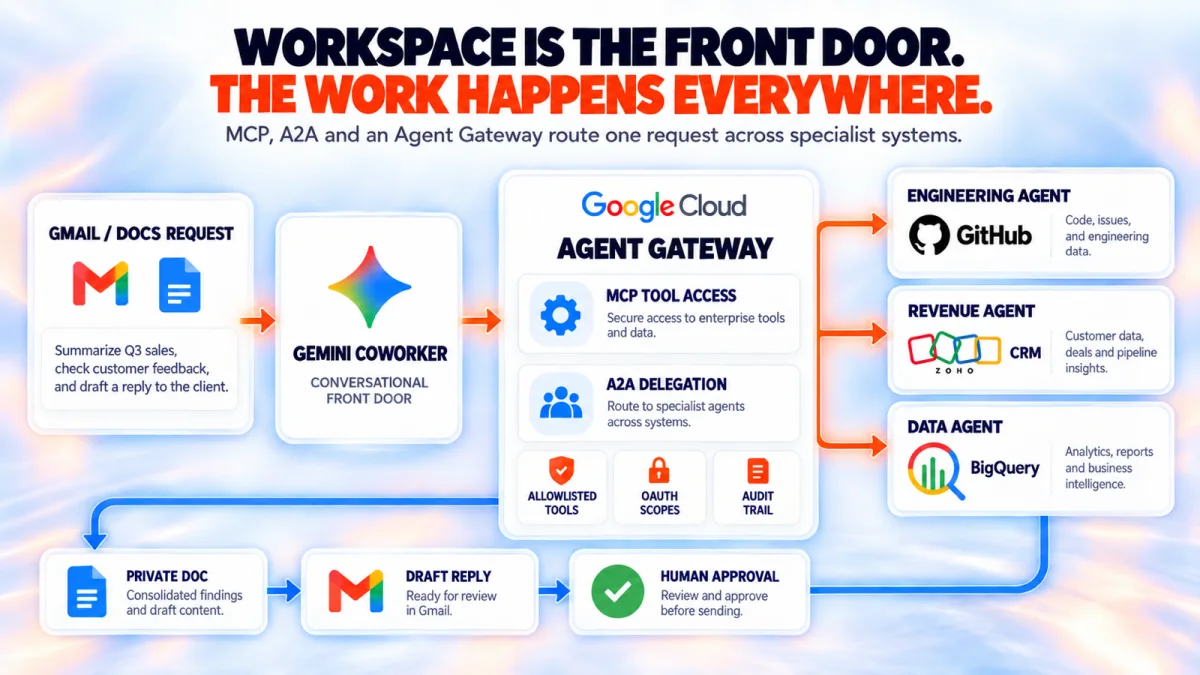
Fig 4 - Workspace Agent Delegating to Backend Agents Through MCP and Agent Gateway
The multi agent arrangement lets the Workspace coworker act as the conversational interface to specialized backend systems.
For organizations running Zoho across their business, Zoho MCP exposes tools across supported Zoho applications. Access remains governed by the OAuth identity and the permissions configured for the relevant Zoho user, application, and module.
A Workspace Coworker Agent can reach Microsoft 365 through Microsoft Graph after the organization explicitly provisions the appropriate Entra application, federated identity, or workload identity. Microsoft permissions and Conditional Access remain independently governed in Entra.
Querying Enterprise Data in Place
BigQuery Graph provides native graph analysis over data in BigQuery and data exposed through supported BigLake, external table, or cross cloud connections. This can reduce unnecessary replication, although the exact access behaviour depends on the source and connector architecture. Separately, BigQuery Agent Analytics stores configured interaction telemetry, including tool calls, errors, and other events the implementation emits, so compliance teams can query the recorded execution trace.
Risk and Governance for Enterprise Failure Modes
Autonomous synthetic workers introduce operational failure modes that traditional IT playbooks never addressed. Teams who already weigh cost, latency, and capability boundaries in their AI model selection framework extend that discipline to runtime controls that stop anomalies before the anomalies compound into corporate liabilities.
The Dead Agent Problem
Standard HR offboarding deprovisions credentials when an employee leaves. The org chart changed. The token did not get the memo. The autonomous agents that reported to that manager need their own offboarding path. Without architectural governance, those agents become untracked ghost processes that keep reading databases, summarizing threads, and consuming tokens.
Two controls carry the fix:
- Automated lineage checks - IT systems bind an agent's active status to the human owner's HR identity
- Graceful inheritance - the moment a manager's account deactivates, every subordinate agent pauses execution until ownership transfers to an active department head
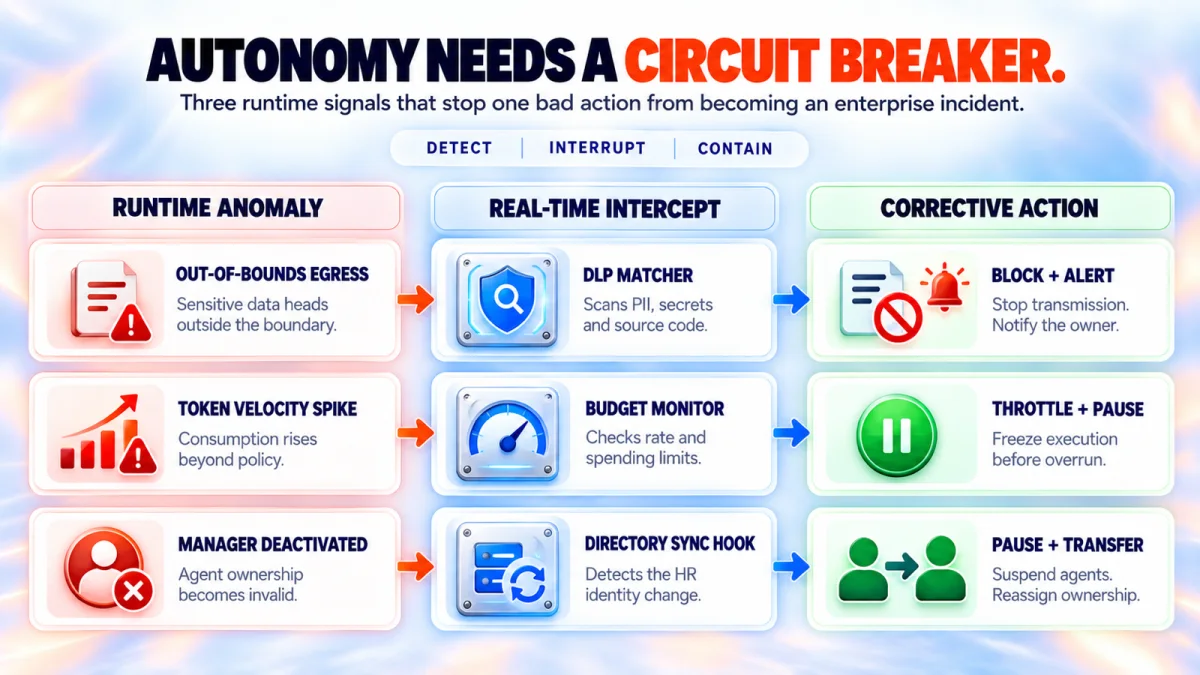
Fig 5 - Circuit Breaker Pipeline for Autonomous Agent Runtime
Deterministic Circuit Breakers
A language model is a probability engine. Point one at your production CRM with write access and you have built an expensive way to discover what it does on a bad day. The gates below stay deterministic on purpose. A bad generation meets a wall long before it reaches a database, and three gates carry most of that load:
- Egress verification - outbound communications directed outside the internal network pass through automated Data Loss Prevention scanners that flag PII, source code fragments, and API secrets
- Policy and Schema Validation - systems engineers enforce deterministic gates such as schema validation, approval matrices, permitted value lists, margin floors, and tool authorization policies. An independent evaluator model can provide an additional quality signal, but it does not replace deterministic controls or required human approval.
- Sandboxed code execution - any script, API call, or test command the agent runs executes inside an ephemeral Cloud Run sandbox with a read only root filesystem, egress blocked by default, no access to the parent workload's secrets or metadata server, and the sandbox deletes itself on exit; the agent fails inside the sandbox and leaves the production Jira project, CRM, and database untouched
Every control described so far is cheap to install before the first agent exists and expensive to retrofit once one is already running. The order of operations matters more than the tooling.
The Clixlogix Blueprint for Autonomous Agent Rollout
Autonomous AI agents with identities, inboxes, and calendar invites moved out of theory. Google Cloud shipped the technology, and other enterprise vendors are racing to follow.
The organizations that struggle here rarely moved late. They provisioned first and governed afterwards, then spent two quarters retrofitting ownership onto agents already touching production systems. Enterprise leadership avoids that order of operations through 3 phases:
- Outcome based task audit - the audit targets cross functional bottlenecks where workflows sit idle waiting on manual information routing between emails, spreadsheets, and ticketing systems
- Machine governance foundation - the
/Agents Organizational Unit, the strict non human IAM policies, the hard token budgets, and the Single Human Owner assignment for every agent ID all land before the organization provisions the first Coworker Agent - Cross platform orchestration - experienced systems integration teams connect the persistent agents to production databases, CRMs, and core engineering infrastructure, which keeps AI initiatives moving beyond one vendor environment
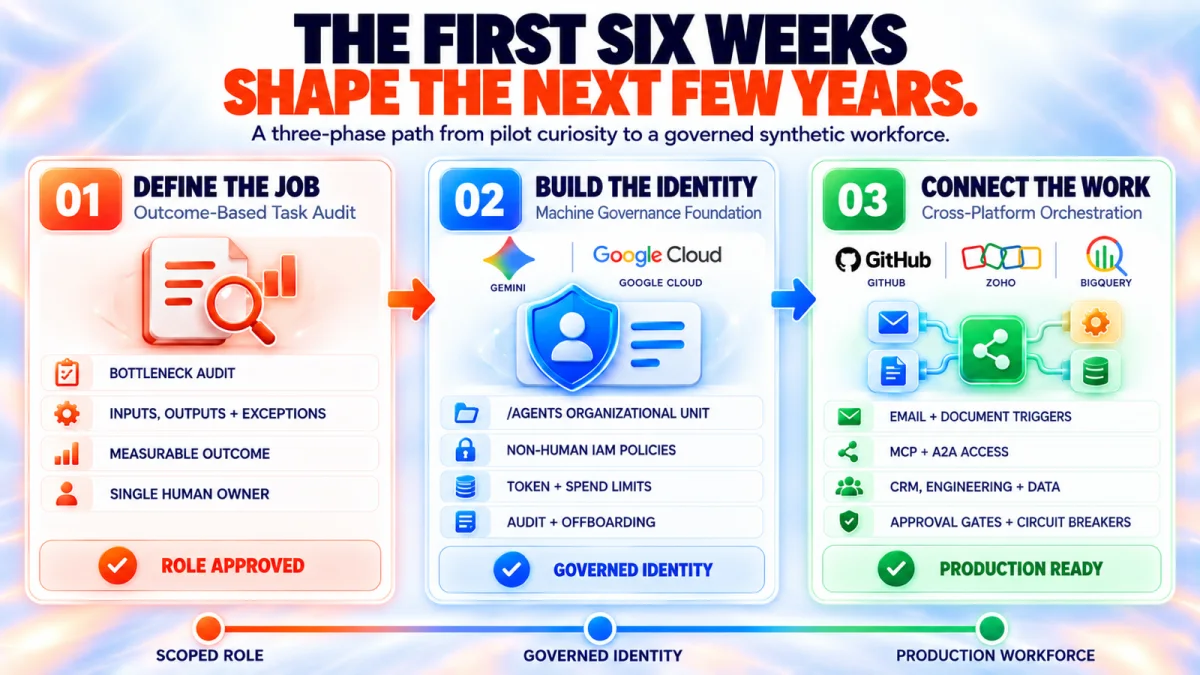
Fig 6 - Three Phase Enterprise Agent Rollout Blueprint
Every production agent needs someone who owns the permissions, the budget, the exception queue, and the apology.
Design the operating model before the agents arrive
Your organization is close to provisioning its first autonomous agents. The decisions you make in the first 6 weeks about Organizational Unit structure, IAM policy, Single Human Owner mapping, and billing project boundaries will govern audit, compliance, and spend outcomes for the next several years. Clixlogix engineers the governance foundation your Gemini Agent rollout needs before the first agent inbox goes live.
Plan your agent governance foundation
Frequently Asked Questions